Best Museums in Charlotte Locals Recommend
From the uptown arts campus to a 1770s stone house and the NASCAR Hall of Fame, a local's guide to the museums that explain Charlotte, with light rail tips and what to pair with what.
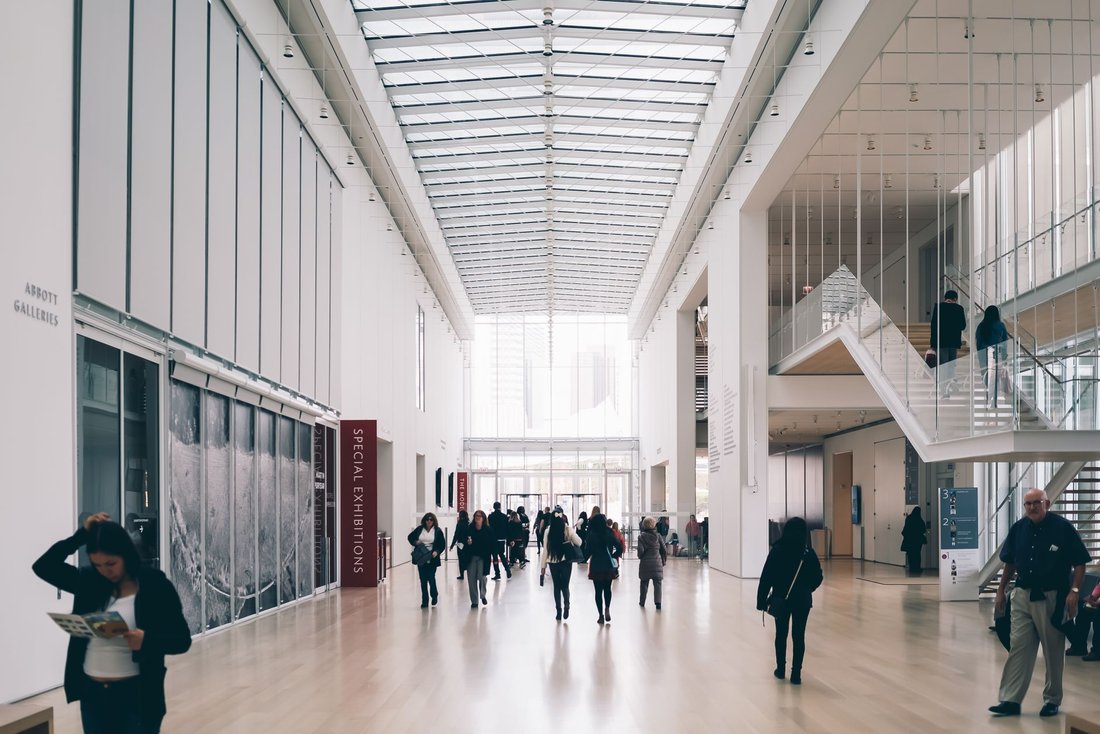
On a Sunday afternoon, the sidewalks along South Tryon Street fill with people who have no particular reason to hurry. A family in Panthers jerseys cuts toward the galleries, two students from UNC Charlotte compare notes on a sculpture, and a grandmother translates a wall label for a toddler in Spanish. Overhead, construction cranes keep swinging, because Charlotte never stops building. This guide to the best museums in Charlotte starts on that block and fans out across the county, because locals know the city's museum story runs well beyond uptown.
Charlotte has grown quickly, and the institutions that explain the city have grown with it. Some sit a few minutes from the light rail. Others require a car and a little patience, and they repay it. What follows sorts the places by type, then closes with the practical details that make a museum day easy.
The best museums in Charlotte for art and design
Uptown's arts campus gets most of the attention, and with good reason. Three major museums stand within a short walk of one another, which makes an art afternoon possible without moving the car. A fourth art space, a few blocks north, shows how Charlotte treats working artists. Start here if the goal is a full day of looking at things.
Mint Museum Uptown
The Mint Museum is the oldest art museum in North Carolina, and the uptown building on South Tryon Street is its modern face. Opened in 2010 as part of the Levine Center for the Arts, it spreads across several floors of galleries and gives real weight to craft and design, an area where the Mint has long been a leader in the Southeast. Expect contemporary art alongside American and European work, plus fashion and studio glass under one roof. Rotating exhibitions mean the second floor rarely looks the same twice in a year, so a return visit is worth the effort. The atrium is a good place to sit and watch the street before heading upstairs. Pick one or two floors and read the labels properly. Trying to cover everything in an hour leaves the glass and ceramics galleries feeling like a blur, and those are the rooms that reward a slow look. The museum also hosts lectures, family days, and evening events, so the calendar is worth a glance before picking a date. Many locals say it was the place that first made uptown feel like somewhere people go for reasons other than work. Current hours and admission are on the website, and so are any free or discounted days.

Mint Museum Randolph
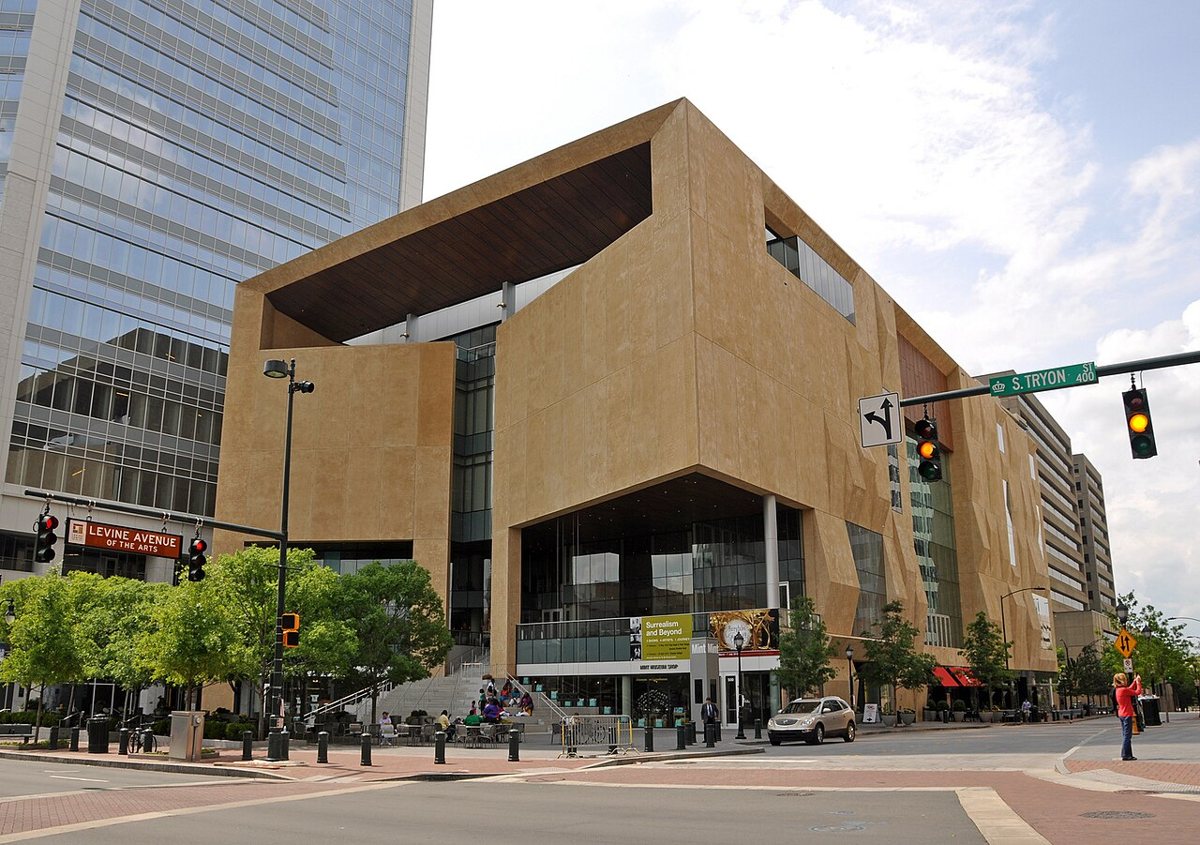
The original Mint Museum lives on Randolph Road in the Eastover neighborhood, in a building that began life in the 1830s as the Charlotte branch of the United States Mint, during the Carolina gold rush. The structure was moved to its current site in the 1930s and opened as the state's first art museum. Today the Randolph campus feels more like a neighborhood museum than a downtown destination, with a calmer pace and a quieter relationship to the city around it. Its collections have leaned toward decorative arts, historical ceramics, and art of the Americas, plus changing exhibitions, though holdings move between the two Mint buildings over time. The first-time visitor often assumes that a branch of the federal mint sitting in a Charlotte neighborhood is a curiosity, and the story behind it is a real one: gold from Carolina mines was once coined here. A drive or walk through the surrounding Eastover and Myers Park streets makes a good companion, since the tree canopy and old brick homes explain a lot about how Charlotte's older neighborhoods developed. What is on view and when the doors open can change, so look it up before driving over.

Bechtler Museum of Modern Art
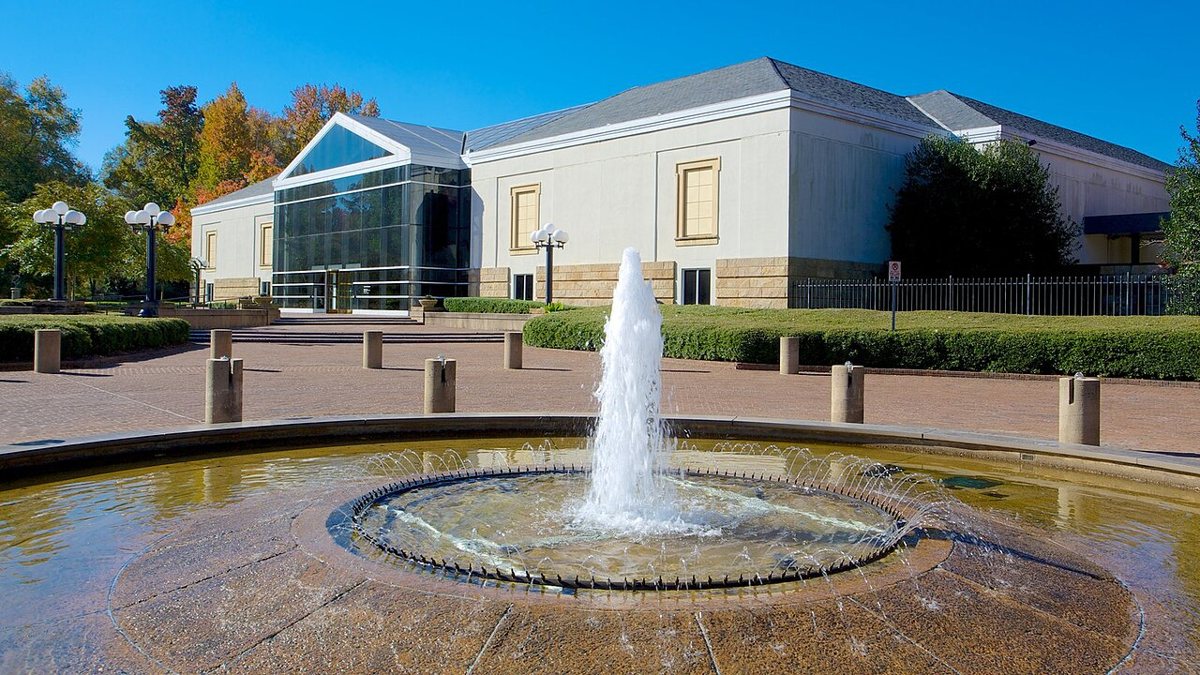
The Bechtler is small by museum standards, and that is a large part of its appeal. Designed by Swiss architect Mario Botta, the building sits on South Tryon Street directly across from the Mint, and it holds a collection assembled by the Bechtler family of Swiss-American collectors. The focus is mid-twentieth-century modern art, including names like Alberto Giacometti, Joan Miró, Pablo Picasso, Andy Warhol, and the French-American artist Niki de Saint Phalle, whose playful, colorful figures give the museum much of its character. Jean Tinguely's kinetic sculptures show up too, and they tend to hold the attention of children and adults in equal measure. Locals rate it as an ideal first stop or a palate cleanser between larger visits, because a single sitting can cover the whole place without fatigue. Rotating exhibitions change the mix, and the website has the current hours and admission. The museum shop and the building's own proportions are part of the draw, and the staircase alone gives architecture fans a reason to linger.

McColl Center
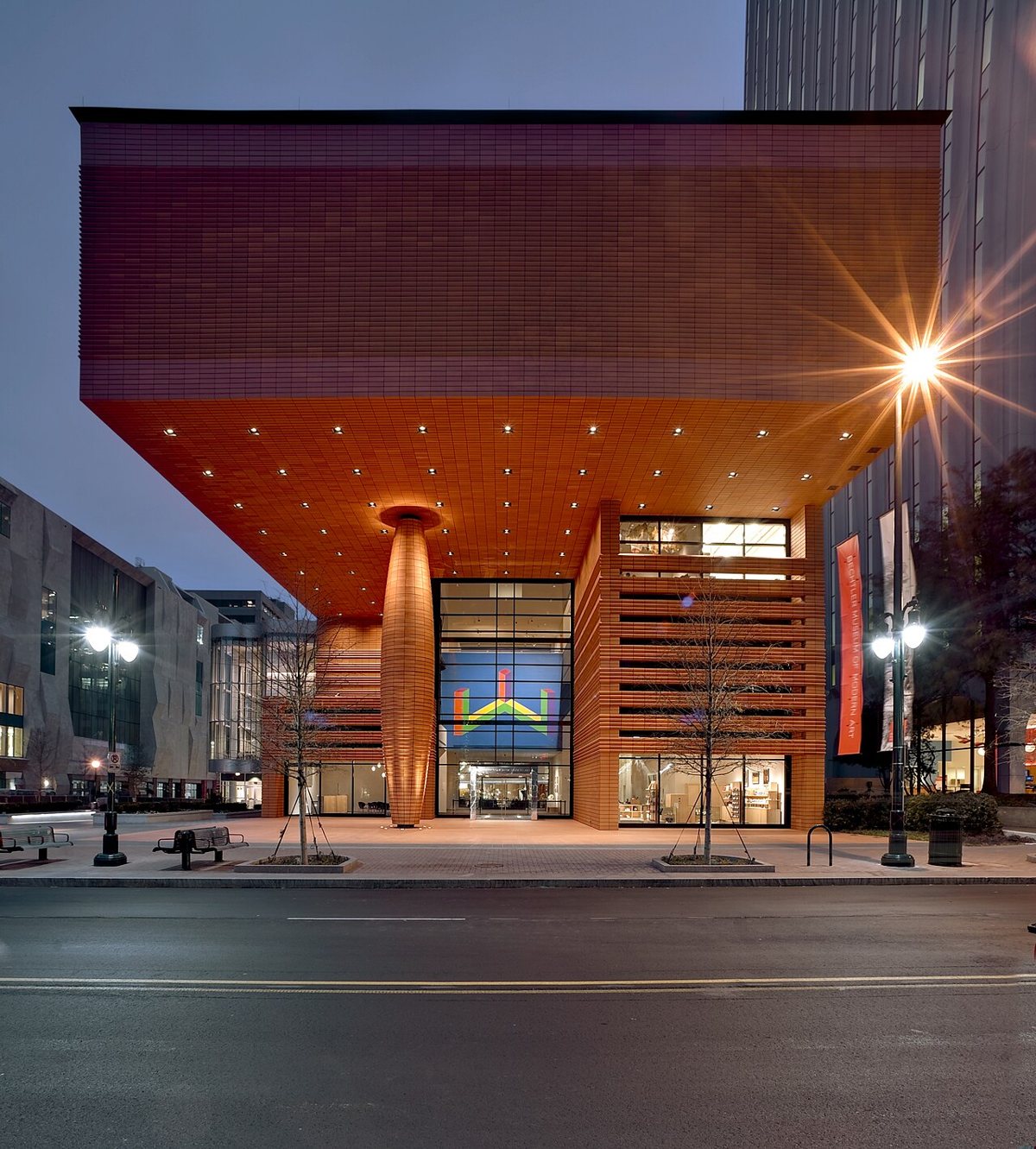
McColl Center is less a traditional museum than an art center built around working artists. Housed in a converted historic building on North Tryon Street, it runs an international artist residency program, which means visitors can often see studios and projects in progress rather than only finished work. The programming leans toward contemporary art that engages with social questions, and the gallery spaces change regularly. The local creative scene has grown alongside the city's population, and McColl Center gives that scene a physical address where artists from other countries and other states share space with people who live a few blocks away. That makes McColl Center a useful counterweight to the established institutions south of Trade Street: the work here can feel rougher, more experimental, and closer to the people making it. Worth knowing: the center's calendar lists open studio events and artist talks, where the conversation is often better than any wall text. Hours and public access vary, so verify before arriving.
History and culture museums that explain Charlotte
Newcomers often assume a city this young and this fast has little past. The reverse is true. Charlotte's history runs through textile mills, railroads, the long fight over segregation, and wave after wave of migration. The places below handle that story with honesty, and they help a recent arrival understand why the city looks the way it does.
Harvey B. Gantt Center for African-American Arts + Culture
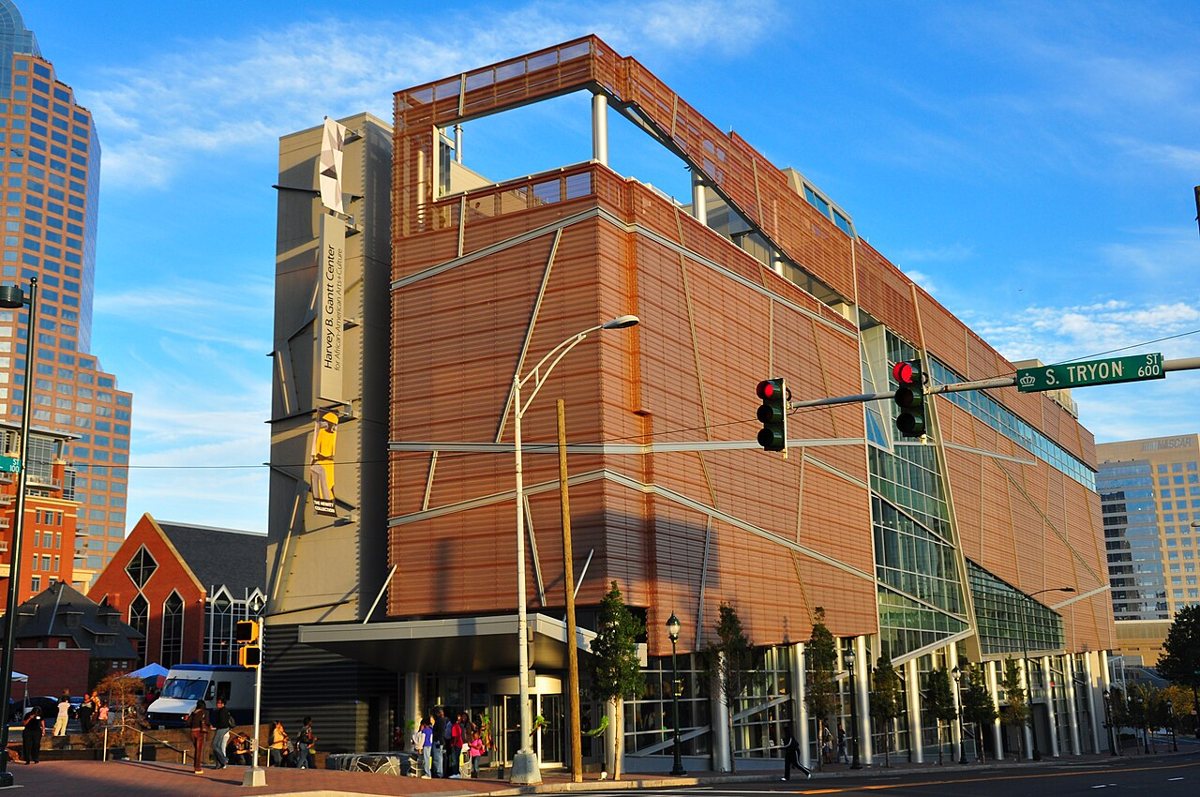
Named for Harvey Gantt, the architect who became Charlotte's first Black mayor, the Gantt Center sits in the Levine Center for the Arts, close to the Mint and the Bechtler. The institution traces its roots to the 1970s and has grown into a major home for African American art and history, with performance alongside. Exhibitions rotate and often draw on work by artists from across the African diaspora, with programming that reaches into film and music. The building itself is a pleasant surprise, and the gallery spaces offer a different pace than the uptown art museums. The events calendar deserves a look before choosing a day, because talks and concerts often add a second reason to go. Current hours and admission, plus any free days, are listed online. The city's population now includes large Black and Latino communities, a fast-growing Asian community, and newcomers from every region, and the Gantt Center is one of the places where that wider city sees itself reflected on the walls.

Charlotte Museum of History and Hezekiah Alexander House
The Charlotte Museum of History occupies a grassy campus on Shamrock Drive, east of uptown, and the main draw sits right beside the museum building. The Hezekiah Alexander House, built in the 1770s, is the oldest surviving dwelling in Mecklenburg County. It is a stone house with a separate rock kitchen and a springhouse on the grounds, and it gives a more physical sense of colonial backcountry life than any wall panel could. Hezekiah Alexander was a prominent figure in the community during the Revolutionary era. The museum itself covers the broader history of Charlotte and Mecklenburg County, with changing exhibitions on the people and events that shaped the region. House tours often depend on the schedule, so plan around that and aim to see the grounds in good weather. Tour availability and hours, along with admission, are worth verifying beforehand.
Billy Graham Library
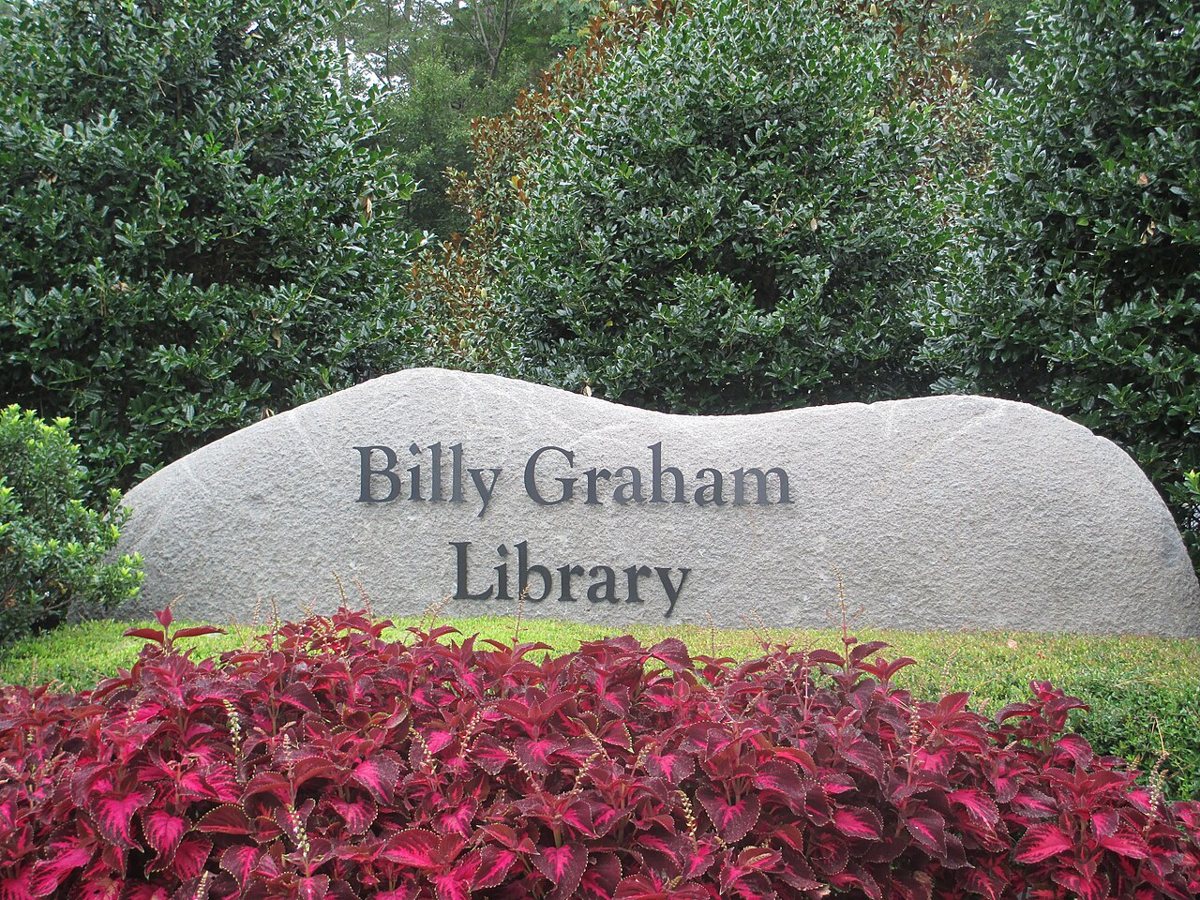
Billy Graham grew up on a dairy farm in Charlotte, and the library bearing his name sits on part of that land off Westmont Drive, south of the city center. The main building has a distinctive barn-shaped entrance, and a guided journey through it follows Graham's life and ministry using film, photographs, and artifacts. The family farmhouse has been restored and is open as part of the experience, standing on the grounds, and a peaceful prayer garden holds the graves of Billy and Ruth Graham. The library draws people of many backgrounds and many levels of religious interest. Even visitors who come mainly for the history of the twentieth century will find the story of a Charlotte boy who became a global figure worth the trip. Go with a relaxed pace, since the walk-through and the grounds together fill a generous chunk of an afternoon. Hours and any admission details are posted on the library's website.

Sullenberger Aviation Museum
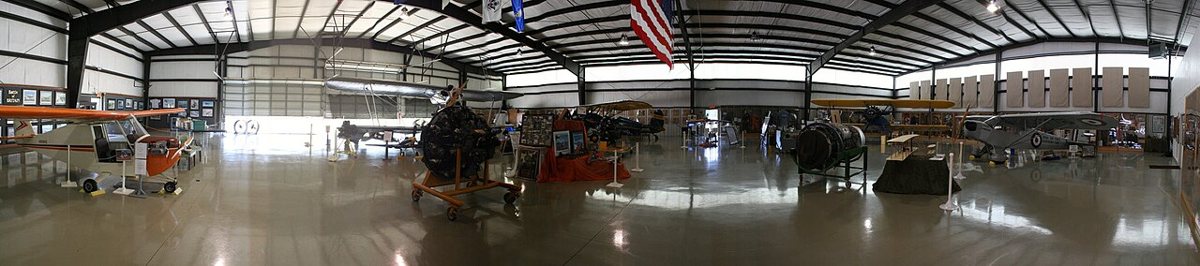
Beside Charlotte Douglas International Airport, the Sullenberger Aviation Museum took that name when it reopened in 2024, honoring Captain Chesley "Sully" Sullenberger, and it carries a Smithsonian affiliation. The centerpiece is the Airbus A320 from US Airways Flight 1549, the 2009 "Miracle on the Hudson" jet, which was bound for Charlotte when it came down in the river. Around it, the museum covers the region's flying heritage and the airline history that built Charlotte's hub. A fuselage standing indoors is hard to appreciate from photographs, and the scale lands differently up close. Pairing it with a trip near the airport is easy, and the event calendar sometimes adds special days. Current hours and admission, along with the exhibits, are best confirmed on the museum's website before heading out.

Science and family museums worth planning around
Families have solid choices in Charlotte, and the two science institutions below do the heavy lifting for a rainy afternoon. A sports-minded third option pulls in visitors who had no plans to go inside a museum at all.
Discovery Place Science
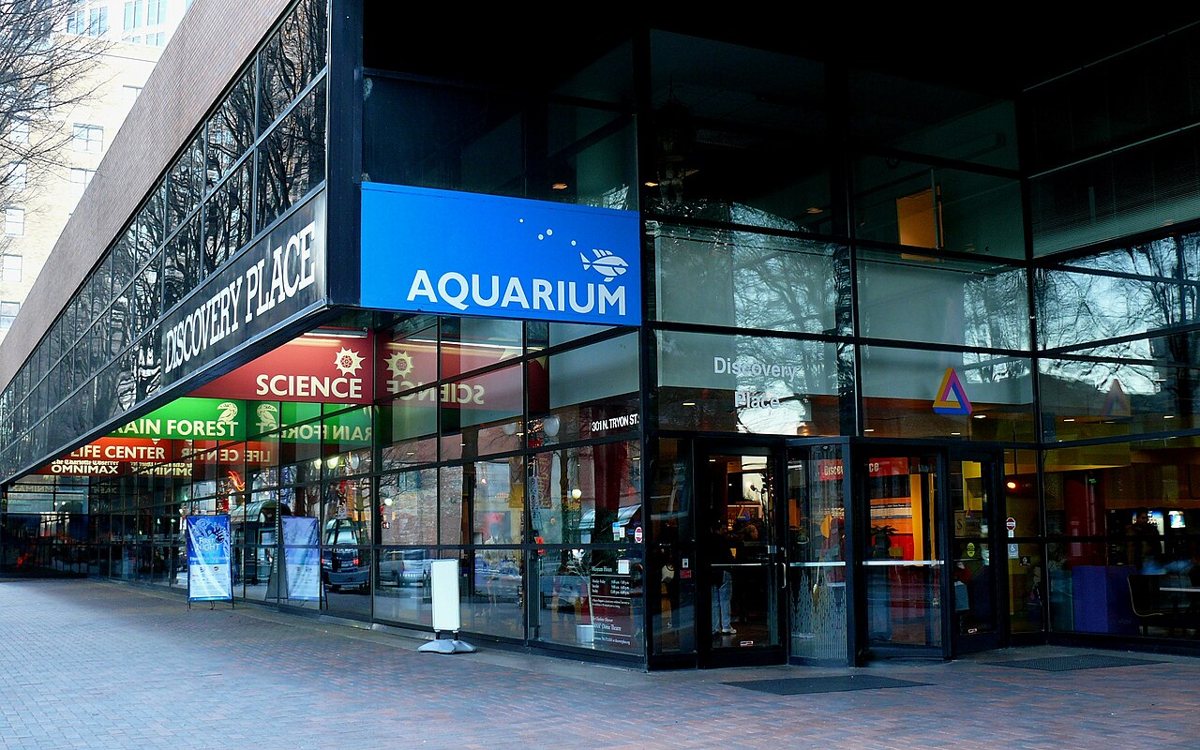
Discovery Place Science is the city's anchor science museum, a hands-on building on North Tryon Street in the middle of uptown. Generations of Charlotte kids have visited on school field trips, and the building keeps up with them through rotating traveling exhibitions alongside permanent galleries. Visitors can usually count on a multi-story tropical rainforest environment, aquatic exhibits, and a large-format dome theater. Exhibits are built for touching and experimenting, and the museum works for children of many ages and for adults who like to tinker. The museum gets loud on school holidays and weekends, so a weekday morning during the school year suits anyone who wants room to move. Before choosing a day, see which special exhibitions are in town and what the current hours and admission are.

Discovery Place Nature
Discovery Place Nature is the outdoorsy sibling, located next to Freedom Park, between Dilworth and Myers Park. It grew out of the long-running Charlotte Nature Museum and focuses on the animals and ecology of the Carolinas, with live creatures, hands-on displays, and a gentle scale that suits younger children. It is the sort of place where a toddler can look closely at something alive without a crowd pressing in. School groups love it, but the pace stays gentler than at the uptown science museum, and parents tend to remember it as the easy one. Pairing a visit with time at Freedom Park, whose pond and playgrounds round out a family outing, takes almost no extra driving. Hours and admission appear on the museum's website, next to a schedule of programs for young children.
NASCAR Hall of Fame
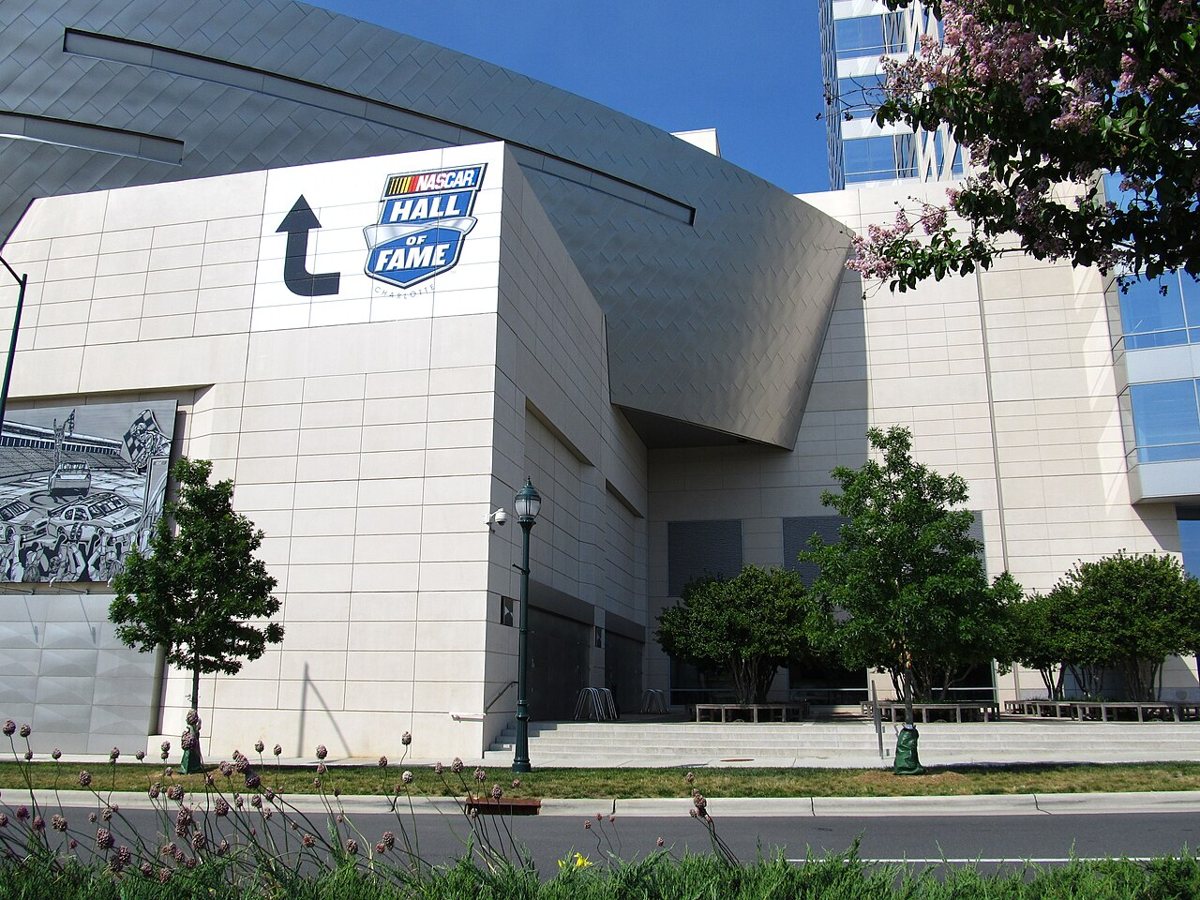
Charlotte sits at the center of American stock car racing, and the NASCAR Hall of Fame on East Martin Luther King Jr. Boulevard is the place that makes sense of that. Opened in 2010, it honors the sport's inductees in the Hall of Honor and shows the history of racing in the South through cars and film. A banked track called Glory Road lines up real stock cars along a steep slope, and the race simulators let visitors feel what drivers deal with at speed. Fans arrive in team gear, but the museum also works for people who barely follow the sport, because the engineering and the regional history are interesting in their own right. Head to the simulators early if there are kids or competitive adults in the group, since lines can build. Ask about combination tickets or special events, and confirm current hours and admission first. Because the building sits near the convention center and the arena, event nights can change the crowd and the parking picture quickly.

Getting around: the uptown cluster and the light rail
The easiest museum day in Charlotte happens on foot in uptown. The Mint Museum, the Bechtler, and the Gantt Center sit on or near South Tryon Street within minutes of one another, and Discovery Place Science and McColl Center are a short walk or a quick ride from the same blocks. The NASCAR Hall of Fame is a few blocks east and south. A visitor can reasonably combine two or three of these in a single day.
The Lynx Blue Line is the spine of the system, running from South End through uptown and on through NoDa to UNC Charlotte. Stops in uptown put the main museum blocks within walking distance. Riding in works well for anyone who would rather skip the uptown parking decks, and it lets you end the day with a drink in South End or a walk through NoDa's gallery strip. Plenty of other options sit nearby, and more to do uptown covers what pairs well with a museum visit.
The sites outside the center, including the Mint Museum Randolph, the Charlotte Museum of History, the Billy Graham Library, Discovery Place Nature, and the Sullenberger Aviation Museum, are easiest by car, or by a combination of transit and rideshare. Plan those as separate outings, and group them by geography rather than by theme. Randolph and Discovery Place Nature, for example, sit within a short drive of each other and of neighborhoods like Dilworth and Myers Park.
Cost and family-friendliness
- Admission varies widely. Some institutions charge standard fees, some offer free days or community hours, and others have memberships that pay off after a few visits. Each website is worth a visit before going, since policies change.
- Families should lean on Discovery Place Science, Discovery Place Nature, the NASCAR Hall of Fame, and the Sullenberger Aviation Museum for the youngest visitors. Ask about stroller access and quiet times when planning. Parents hunting for more ideas will find family-friendly outings across the city.
- Weekday mornings are usually calmer than weekends. School groups often arrive on weekdays, so ask each museum about field trip traffic if quiet matters.
- Rain moves the whole city indoors, and the science and history museums fill faster than the art galleries.
Three ways to build a museum day
Because the museums fall into natural clusters, a few itineraries tend to work well for people who live here and for guests alike.
- The art afternoon: begin at the Bechtler for a compact hour with the modernists, cross the street to the Mint Museum Uptown, and finish at the Gantt Center for a different angle on American art. Everything sits within a few minutes on foot, and coffee is easy to find between stops.
- The Charlotte story day: start at the Gantt Center for the city's African American story, then head out to the Charlotte Museum of History and the Hezekiah Alexander House to see the older layers of settlement. Together they cover a long arc from backcountry farms to the modern region.
- The family day: choose Discovery Place Science in the morning, break for lunch uptown, and use the afternoon for the NASCAR Hall of Fame. On a gentler schedule, swap in Discovery Place Nature and a loop around Freedom Park.
Each of these plans leaves breathing room, which matters more than it sounds. Museum fatigue arrives faster than most people expect, and two good visits beat four rushed ones. Locals also tend to treat membership as a bargain if a favorite spot gets three or four trips a year, so ask at the front desk what the options look like.
A local's take on how to do it
Visitors tend to ask for a list, but a good museum day in Charlotte works better as a pairing. Take the Gantt Center in the morning to understand the place, then walk to the Mint or the Bechtler to see what its artists and collectors have made of the modern world. If the weather is kind, finish at the Hezekiah Alexander House or in Freedom Park, where the older city still lives. For newer residents, whether they arrived from Ohio, Honduras, India, or the next county over, the Gantt Center and the Charlotte Museum of History do the most to show how many Charlottes sit inside one name.
The honest local verdict is that Charlotte's museums are better than the city's reputation suggests. They are not as vast as the ones in New York or Washington, and they do not try to be. They also lack the velvet-rope feeling those places can have, and a few sit in neighborhoods where the surrounding blocks are as interesting as the galleries. What they offer is a close, human-scale look at a place that is still deciding what it wants to become. Pick two, take your time, and leave room to walk around between them.