Best Things to Do in Charlotte You Shouldn't Miss
A local editor's guide to the water, museums, neighborhoods, stadiums and family outings that define Charlotte, with the Blue Line as your spine.
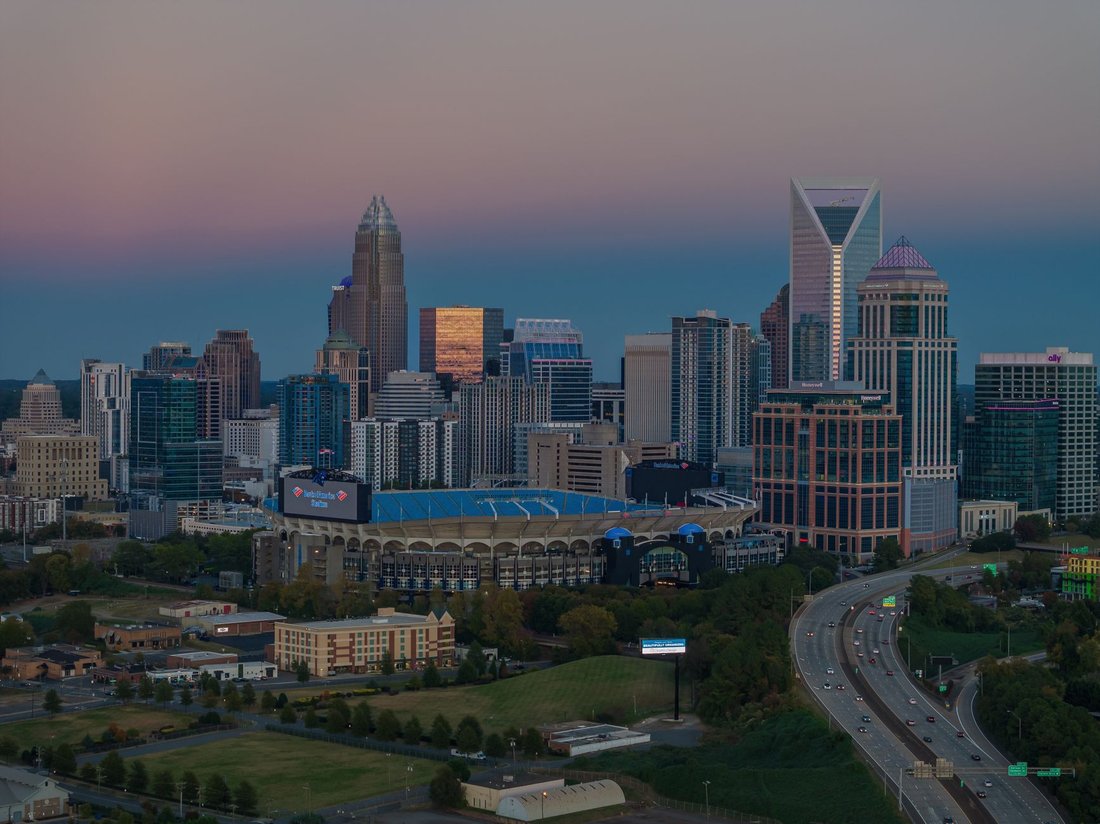
On a clear morning, the northbound Blue Line pulls out of South End with the uptown towers growing in the front windows. Beside the track, the Rail Trail fills with runners and dog walkers who keep pace with the train for a few blocks before it slides ahead. Behind you, a brewery is already stacking chairs for the day. Ahead is a skyline that spent a few decades earning its confidence.
That short ride previews the best things to do in Charlotte better than any brochure. The glass towers get the attention, yet the city's real character lives in the creeks, the converted factories, the museums along Tryon Street and the neighborhoods where somebody's porch is always occupied. Charlotte has grown fast and keeps changing, and the people who live here are still deciding, a little self-consciously, what kind of big city this is. It is a city of newcomers from every direction, and the food and the street life show it, and so do the festivals. This guide is organized by type of outing, from the water and the parks to the museums, the neighborhoods, the stadiums and the family days out, and it closes with the practical details that make the rest easier.
The Best Things to Do in Charlotte Outdoors
Charlotte sits in the Carolina Piedmont, so the landscape is rolling red clay and tall hardwoods beside slow rivers. The city has put real effort into making that landscape usable, and the outdoor options reach well past a single park.
US National Whitewater Center
Locals call the US National Whitewater Center simply the Whitewater, and it sits on the west side of the county beside the Catawba River. Its centerpiece is a set of man-made whitewater channels where pumps recirculate river water over concrete rapids, a setup that has served as a training ground for Olympic-level paddlers and as a playground for everyone else. Visitors can raft the channels with a guide, kayak, climb, ride ziplines or simply wander the grounds with a drink while paddlers shoot past.


What surprises first-timers is how much of the place has nothing to do with water. A large network of trails threads through the surrounding woods for mountain bikers and trail runners, and the riverside lawn has the feel of a town square on a good day. Insider tip: plan the water activities first and save the trails for late afternoon, when the light through the trees is at its best. The Whitewater is not on the light rail, so expect to drive or take a rideshare, and give it a generous half day. The center's own website lists current activities and what needs booking ahead.
Freedom Park and the Little Sugar Creek Greenway
Freedom Park is the green lung of the neighborhoods just southeast of uptown, tucked between Dilworth and Myers Park. It has a small lake, open lawns, sculpture, ball fields and the kind of old oak shade that makes a picnic blanket feel like a good decision. The Charlotte Nature Museum shares the grounds, which makes the park a natural stop for anyone with children along.
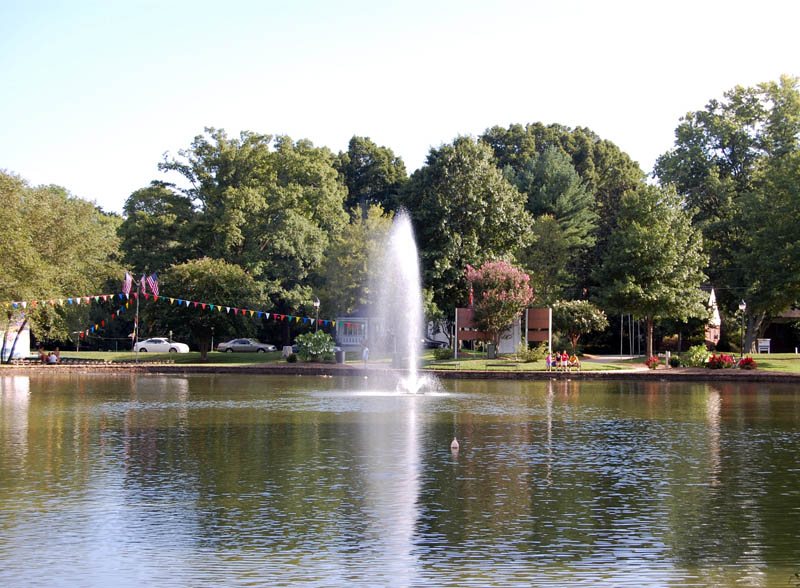

The park also connects to the Little Sugar Creek Greenway, a paved path that follows the creek through Midtown and on toward the center of the city. A walk or ride along it shows Charlotte at its most honest: a creek that used to be ignored is now the spine of a pleasant outing, with new apartments on one bank and old brick bungalows on the other. Start at Freedom Park in the morning and follow the path toward uptown, then catch the Blue Line home from one of the center-city stations. Anyone planning a wider loop will find more options in our guide to the city’s parks.
Romare Bearden Park
Romare Bearden Park is the downtown park that gave uptown a front lawn. Named for the Charlotte-born artist whose collages are known worldwide, it sits in the shadow of the towers with a curving water feature, planted terraces and a wide lawn that fills with office workers at lunch and families after school. The design nods to Bearden's art, with patterned walls and plantings that echo his layered style.
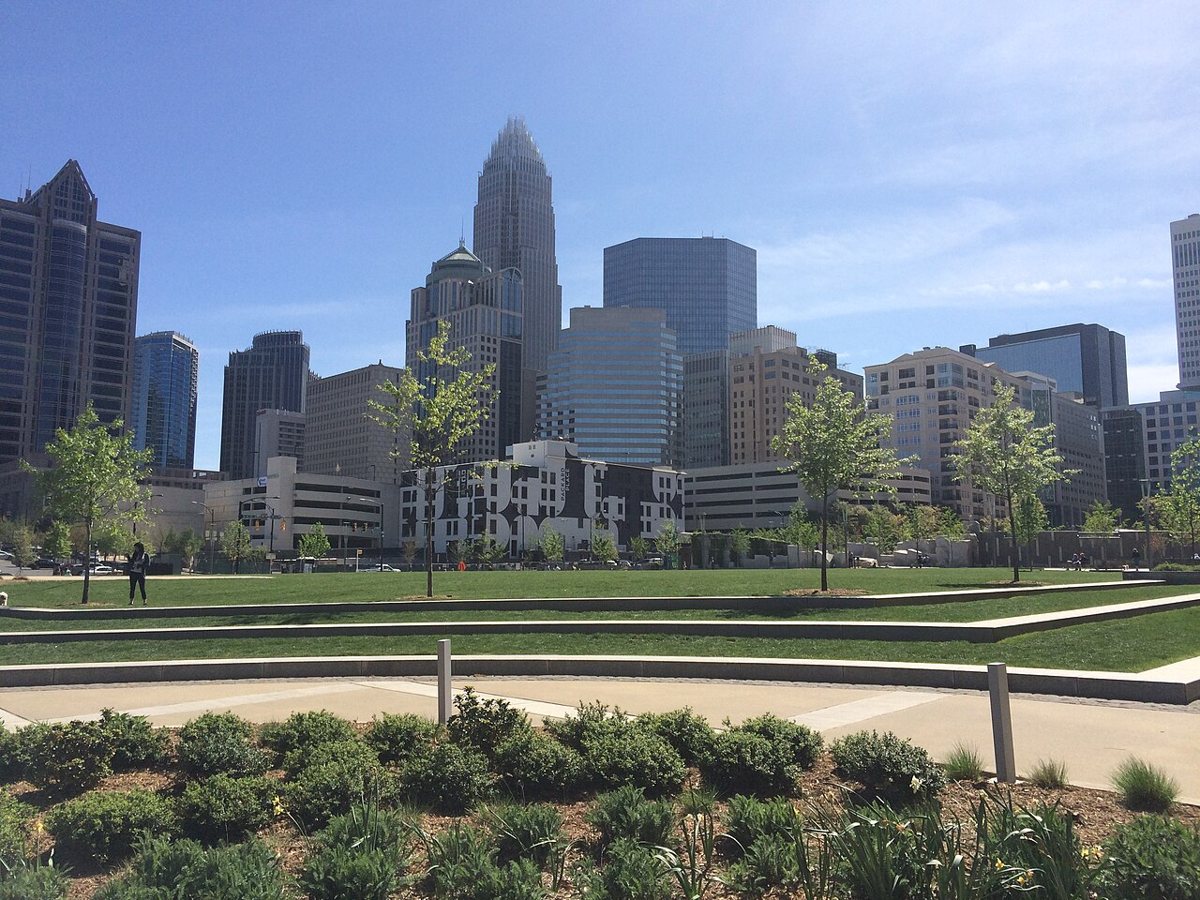

This is where to stand for the skyline photograph that every visitor eventually wants. Late afternoon gives the best light on the glass, and the park is an easy walk from the center-city light rail stops. Bring a coffee from one of the neighborhood shops (our roundup of local coffee shops has plenty of ideas) and sit on the lawn for twenty minutes before heading to a museum or a game.
Daniel Stowe Botanical Garden
Daniel Stowe Botanical Garden is a short drive west in Belmont, on the far side of the Catawba River, and it is the calmest hour a Charlotte visit can offer. The garden spreads across hundreds of acres of Piedmont land beside Lake Wylie, with display gardens, a conservatory, a visitor pavilion and a long walk toward the water. Seasons change the character completely, from spring bulbs to summer perennials to the quiet structure of winter.
Plan this as a morning trip, because the paths are exposed and the Carolina sun gets heavy by midday in summer. The garden is not on the light rail and sits outside the city limits, so a car is the realistic way in. Pair it with a lunch in downtown Belmont, a small town with its own brick main street that makes a pleasant contrast to uptown.
Museums and Culture
Uptown packs an unusual number of cultural institutions into a few walkable blocks, and several of them cluster along Tryon Street, which makes a museum day easy to plan. The Blue Line serves the center-city stations that put most of these a short walk away.
Discovery Place Science
Discovery Place Science is the city's long-running science museum, and it earns its reputation with hands-on exhibits that reward curiosity rather than passive viewing. Floors of interactive displays cover everything from the human body to the physics of motion, and the building also houses an aquarium and a large-format theater. Adults enjoy it nearly as much as children, which is the real test of a science museum.
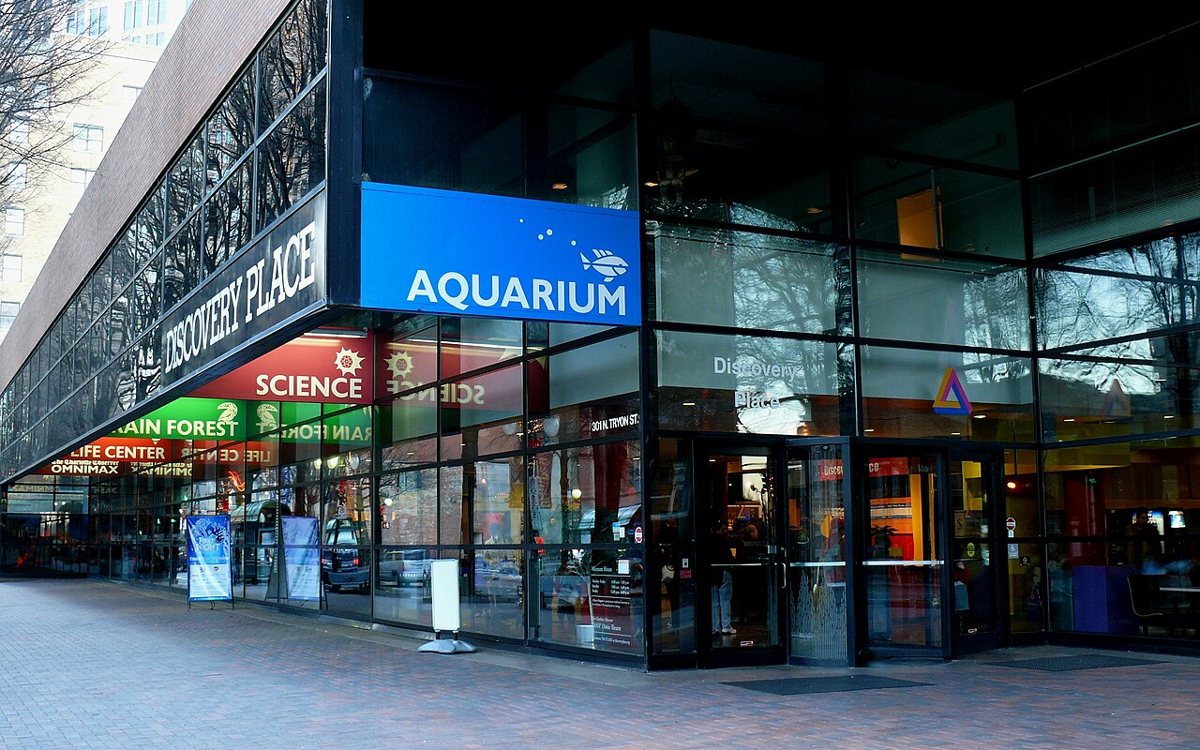

Insider tip: arrive when the doors open on a weekday and head to the upper floors first, working down as the crowds build. School groups tend to arrive mid-morning. The museum is a short walk from the center-city light rail stations, which makes it one of the easiest stops on this list to reach without a car.
The Mint Museum
The Mint Museum is Charlotte's oldest art museum, and it works across two buildings. The original Mint Museum Randolph sits in a residential stretch of the Eastover neighborhood and occupies the original United States Mint building, relocated to Eastover, which gives the museum its name and its distinctive stone setting. Mint Museum Uptown, a modern building downtown, carries the contemporary art and craft and design collections. Each location has its own character, and many visitors do both on separate visits.
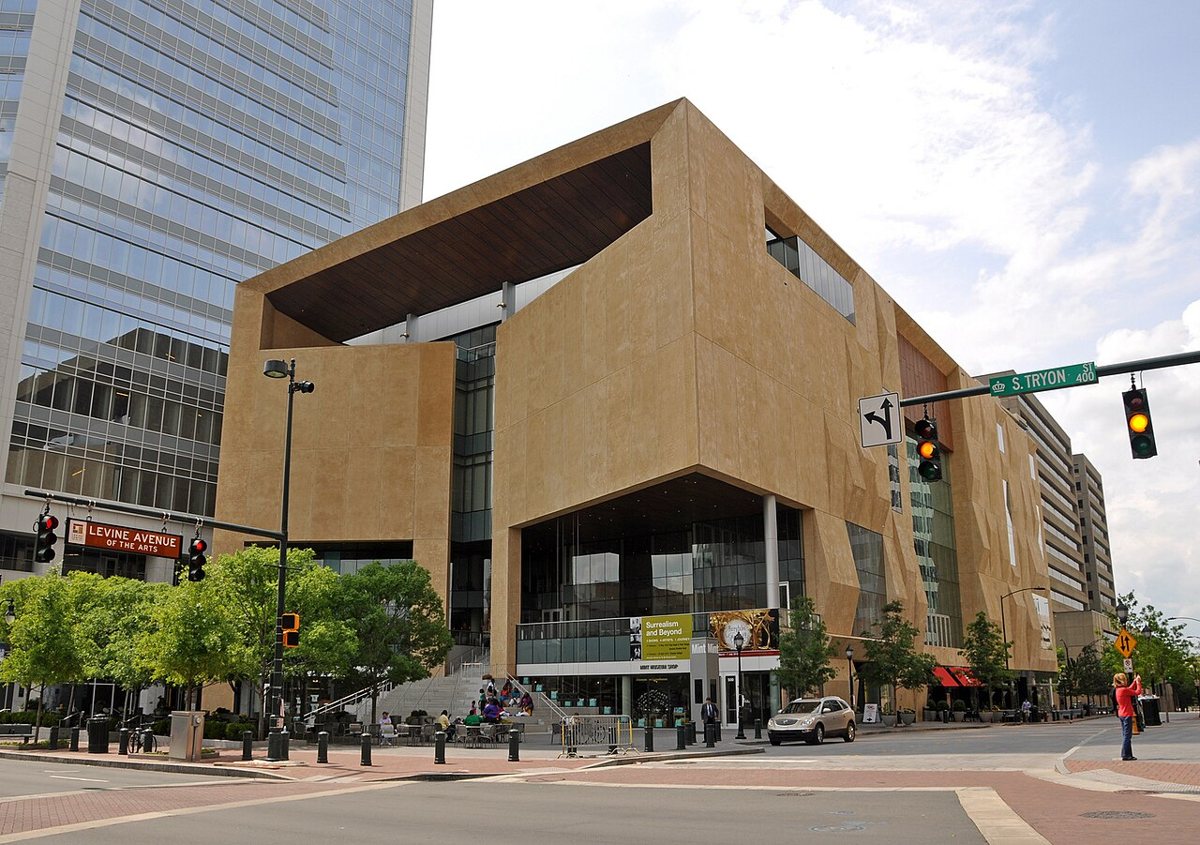

The craft and design holdings are a particular strength, especially the ceramics and glass, and the American art collections carry a clear regional thread. Tip: choose one location per outing instead of racing between them, since the museum's value is in lingering. Uptown is reachable on foot from the light rail, while Randolph is better approached by car or rideshare.
Bechtler Museum of Modern Art
The Bechtler Museum of Modern Art is a compact, confident building on Tryon Street, designed by the Swiss architect Mario Botta. It holds the collection assembled by the Bechtler family, with works by major twentieth-century names such as Andy Warhol and Alberto Giacometti, plus Joan Miro, along with a notable collection of work by the French-American artist Niki de Saint Phalle. The scale is the point: the museum is small enough to see properly in an hour or two.
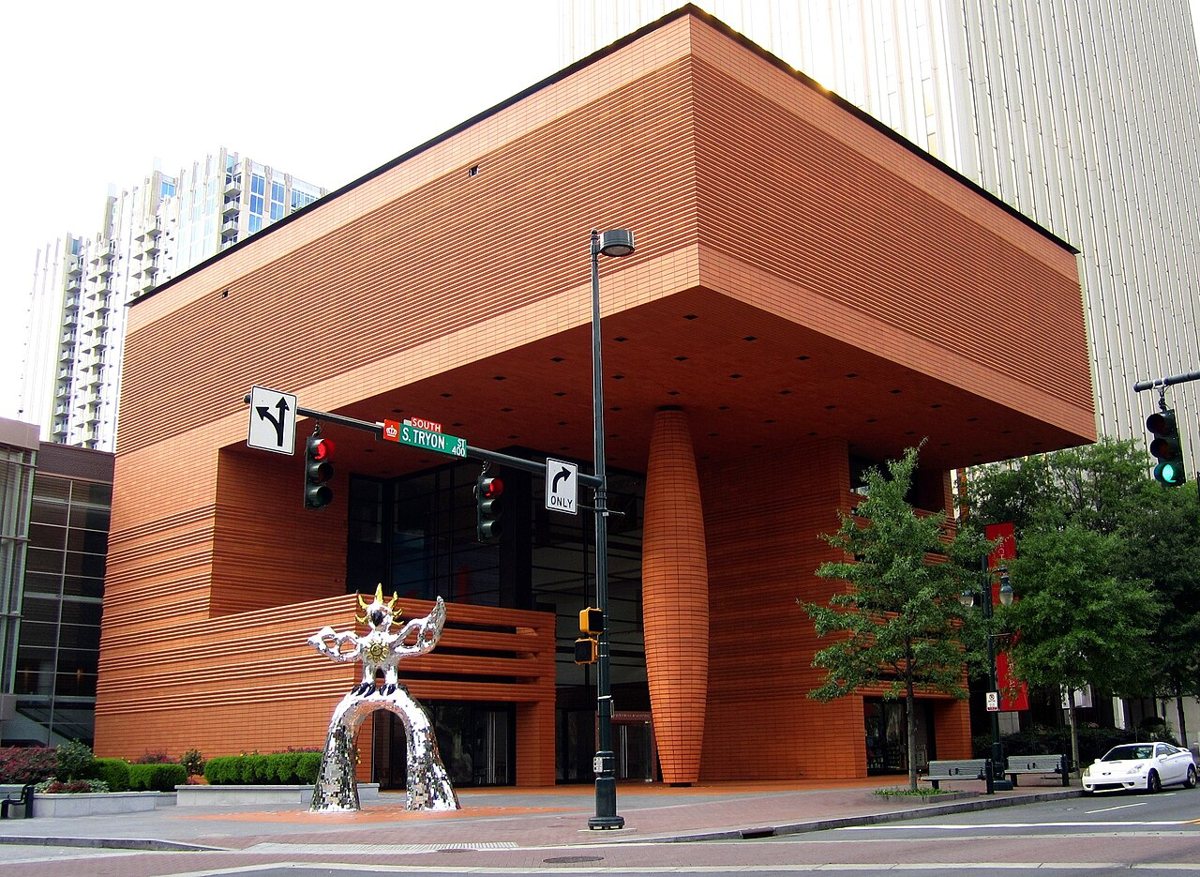

Look for the colorful sculpture outside, which signals the building from half a block away. The Bechtler pairs well with Discovery Place or the Gantt Center, since all three sit within a pleasant walk of one another in the center of the city. Rotating exhibitions mean the experience shifts from visit to visit, so check the museum's website to see what is on view.
Harvey Gantt Center for African-American Arts + Culture
This museum, the Harvey Gantt Center for African-American Arts + Culture, carries the name of the architect who became Charlotte's first Black mayor, and its mission is to present the art, history and culture of African Americans and the African diaspora. The building, with its distinctive design on Tryon Street, hosts exhibitions of painting and photography as well as mixed media, along with performances, lectures and community programs.
Its story matters in a city whose demographics keep shifting, because it tells the long story of Black Charlotte, from the old neighborhoods to the people who shaped city politics. Exhibits change often, so treat each visit as new. The center is an easy walk from the light rail and sits near the other Tryon Street museums, so it slots into a full day of culture without any extra transit.
NASCAR Hall of Fame
The NASCAR Hall of Fame stands in uptown because Charlotte and its surrounding counties are the heart of American stock car racing, with most of the major race teams based in the region. The building traces the sport from its moonshine-running roots to the modern superspeedway, with historic cars, a tribute to the inductees and simulators that let visitors try a pit stop or a race.
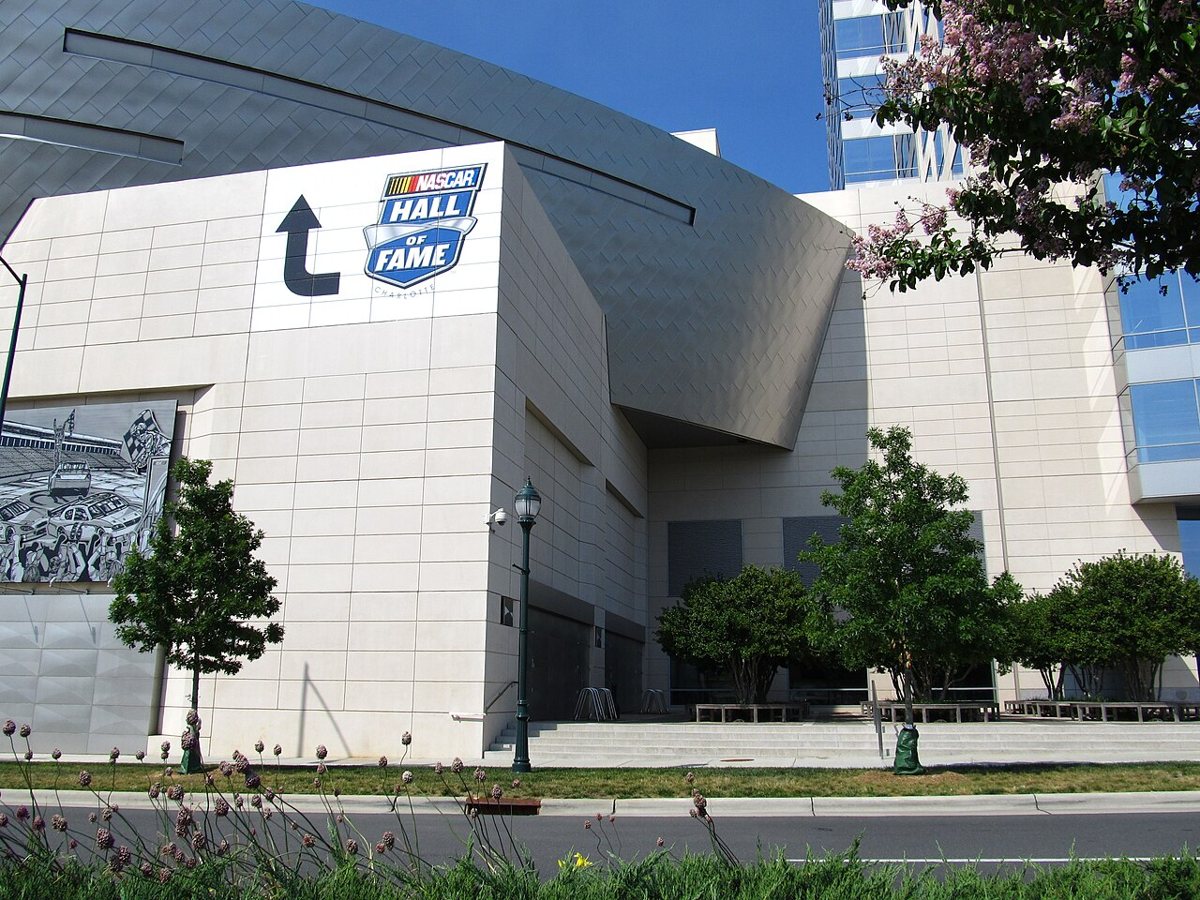

You do not have to follow racing to enjoy the place. The cars are beautiful objects, and the stories of the drivers and mechanics make the sport legible to newcomers. A smart move is to try the interactive experiences early, before the lines grow. The hall is a manageable walk from the Blue Line's center-city stations, close to the convention center.
Neighborhoods Worth Wandering
Charlotte's neighborhoods are where the city's personality shows. Each one has its own pace, its own food and its own argument about how fast to grow.
NoDa and Plaza Midwood
NoDa, short for North Davidson, is the arts district, and the light rail runs right through it. The Blue Line stops at 36th Street, which puts visitors in the middle of murals, galleries, small music venues and breweries, all housed in old mill-village buildings. NoDa Brewing Company and Heist Brewery are two of the neighborhood's anchors, and the Neighborhood Theatre has hosted touring bands for years. The area is walkable, a little scruffy by design, and best explored on foot with no fixed plan.
Plaza Midwood, a short ride east of uptown, is the city's eclectic, weird neighborhood, and locals mean that as praise. Central Avenue and Commonwealth Avenue are lined with dive bars, vintage shops, taquerias and neighborhood restaurants from many cultures, and the side streets hold some of the prettiest old bungalows in town. The Common Market, a combined convenience store, bar and hangout, is a long-time local landmark. It is not directly on the Blue Line, so a bus, a rideshare or a bike works best.
South End
South End is where Charlotte's growth story is most visible, and also where it is most enjoyable. Old textile and warehouse buildings along South Boulevard and the Blue Line have become breweries and restaurants, plus shops, with apartment towers rising beside them. The Rail Trail, a paved path that follows the tracks, links the whole district on foot or bike. Brewery row is the draw for many visitors: Sycamore Brewing and Wooden Robot are among the taprooms that locals point newcomers toward, as is Triple C Brewing, each with its own style and a patio that fills on a nice evening.
The neighborhood changes quickly, so a favorite spot from last year may have a new neighbor, and that churn is part of the local conversation. Better still, ride the Blue Line in and walk the Rail Trail between stops instead of hopping from one taproom to the next by car. Several light rail stations sit within a few blocks of the taprooms, so leaving the car at home is easy.
Camp North End
Camp North End is the best example of what Charlotte can do with its industrial past. The sprawling site on the north side of uptown began life as a Ford Model T assembly plant and later served as an Army quartermaster depot, and its long brick and concrete buildings have been reborn as a mix of restaurants, studios, shops, event space and public art. Murals cover walls, string lights hang across the yards, and the whole complex feels like a small town that grew out of a factory.
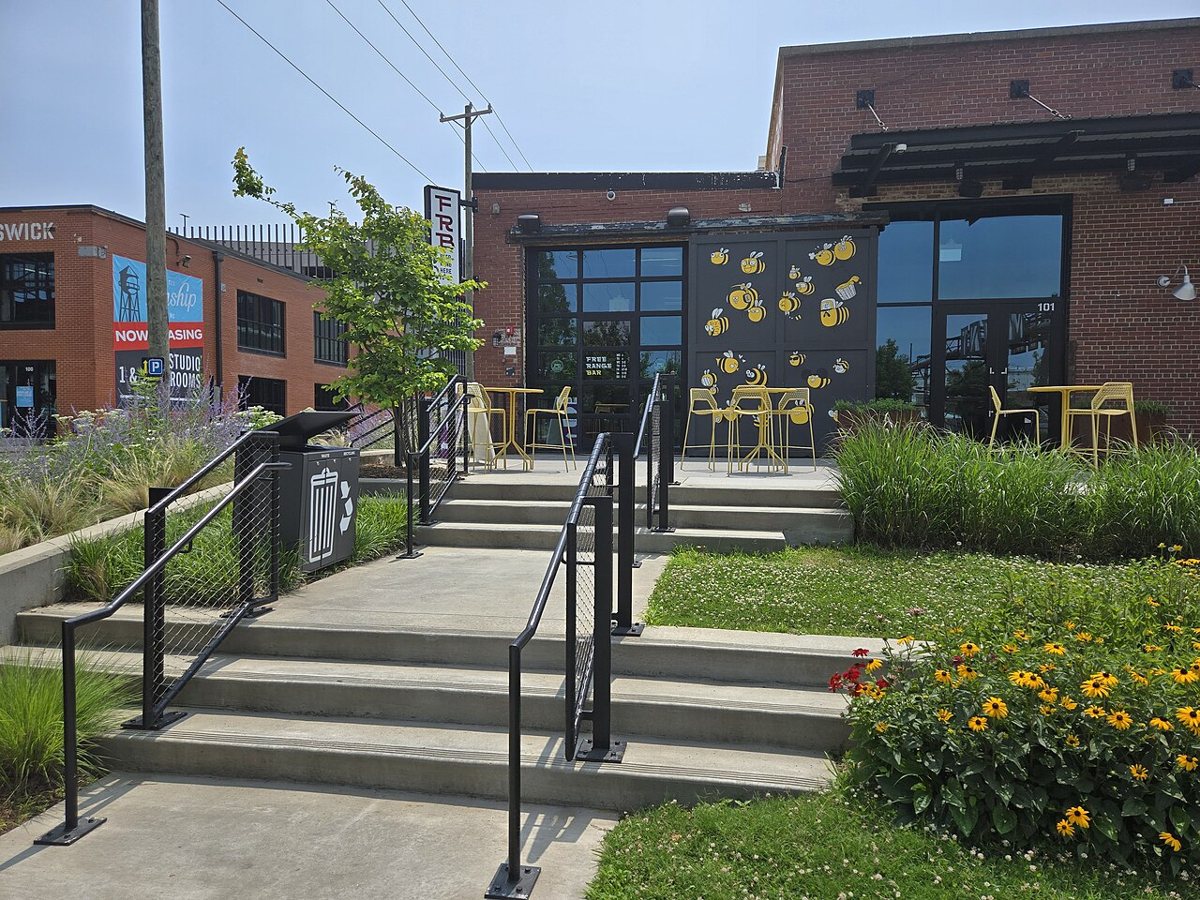

The place rewards slow wandering. Bring an appetite, since the food options range widely, and expect something different on each visit as tenants and events rotate. Camp North End sits a short rideshare or scooter ride from uptown and the NoDa light rail stops, so it pairs well with an afternoon in NoDa. Check the Camp North End website for the current lineup before you plan a visit around a particular event.
Sports
Charlotte is a pro sports town with two major tenants that anchor uptown, and a game day changes the feel of the whole center city. Light rail and walking handle most of the logistics.
Bank of America Stadium
Bank of America Stadium is the home of the Carolina Panthers, and on a game day the area around it turns into a river of black and blue jerseys. The stadium sits on the edge of uptown, near the Blue Line, so many fans arrive by train and walk the final blocks, which is a part of the ritual. The stadium also hosts large concerts and soccer matches, so it is worth checking the schedule even outside football season.
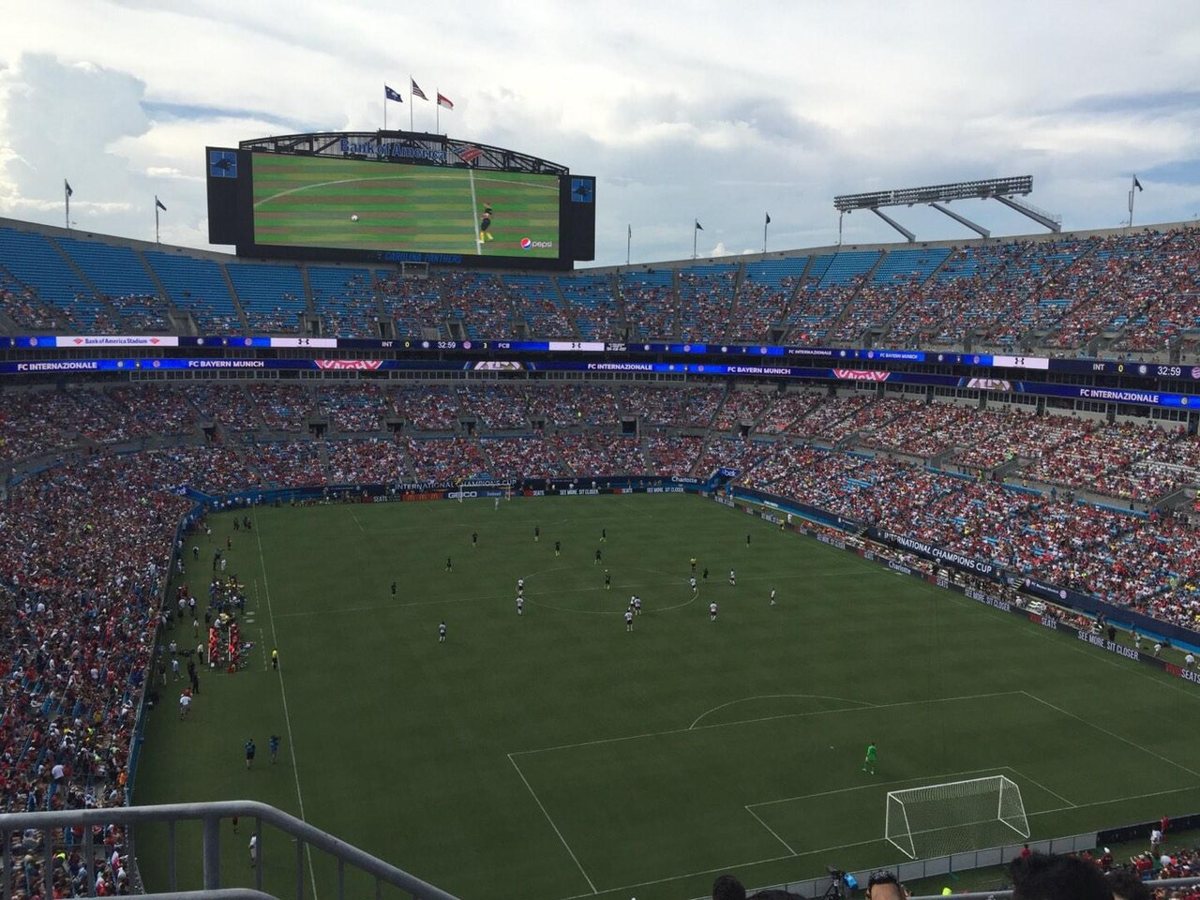

Tailgating culture is a real part of the experience, and the lots around the stadium fill with grills and folding chairs well before kickoff. Take the train in, because parking is expensive and the exit traffic is slow. Visitors without a ticket can still walk the exterior and see the big cat statue that greets fans at the entrance.
Spectrum Center
Spectrum Center is the downtown arena where the Charlotte Hornets play, and it is also the city's main stop for touring concerts and family shows, plus big college events. It sits in the middle of uptown, so a night out can begin with dinner in the center city and end with a short walk back to a light rail stop. The atmosphere is intimate by NBA standards, with seats that feel close to the court.
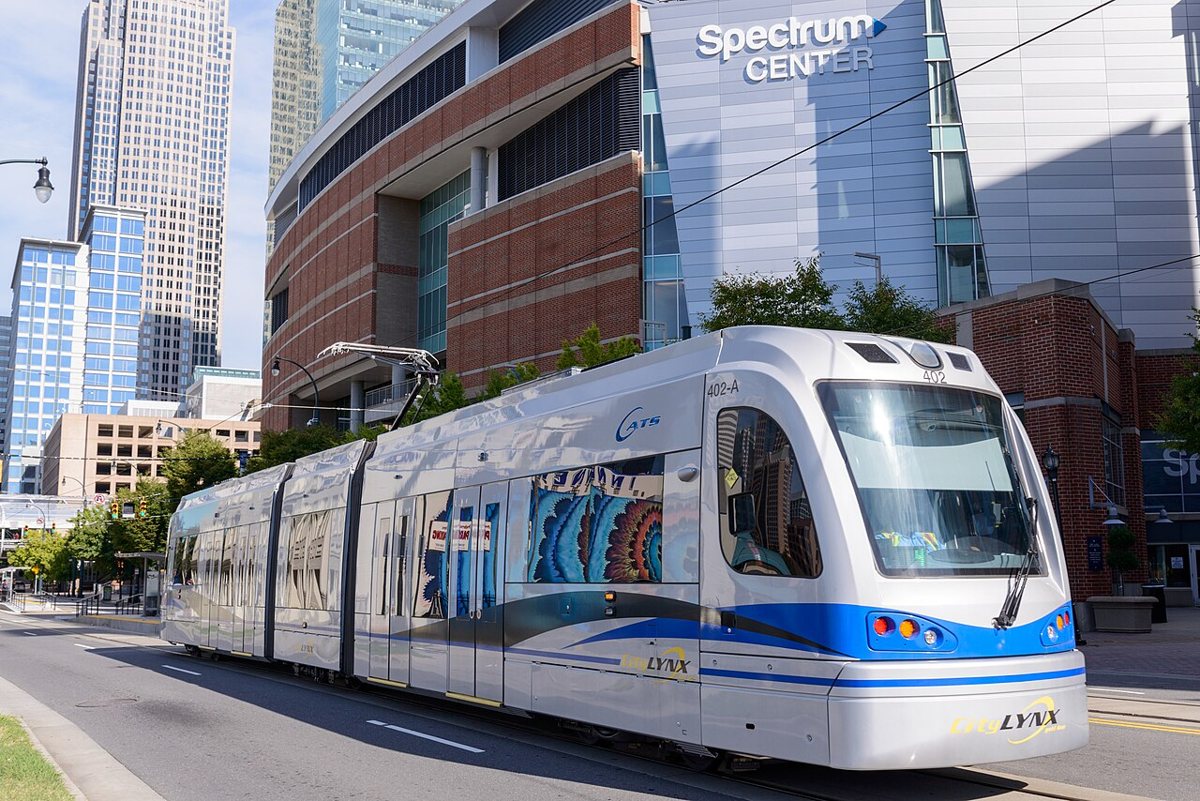

Even without a basketball ticket, the arena is worth knowing because it draws so many acts to the city. A show here is one of the easiest ways to spend an evening in uptown, since restaurants and bars cluster within a few blocks. Look at the arena's calendar before a visit, then plan dinner around the start time.
Family Days Out
Families have plenty to choose from, and several of the places above double as family outings. Discovery Place Science and the Charlotte Nature Museum next to Freedom Park suit younger children, while the Whitewater has activities for a wide range of ages. For a bigger thrill, there is Carowinds, a large amusement park that sits on the North Carolina and South Carolina border, with the state line running through the grounds. It is known for its roller coasters, and a visit is a full-day commitment that is best planned around a weekday if the crowds worry you. The park is south of the city, not on the light rail, so a car is the practical choice.
Getting Around and Planning
The Lynx Blue Line is the spine of a visit. It runs north to south through the middle of the city, linking the NoDa arts district, uptown and South End, and it stops within a short walk of the stadium, the arena, the museums along Tryon Street and the NASCAR Hall of Fame. A first-time visitor can fit a surprising amount of this guide into a day with a train pass and a good pair of shoes. Check the Charlotte Area Transit System website for current fares and schedules.
Not everything is on the line. The Whitewater, Daniel Stowe, Carowinds, the Mint Museum Randolph and Plaza Midwood all work best with a car or a rideshare, so plan the rail-friendly days and the driving days separately instead of mixing them.
On cost, the city offers a good balance of free and ticketed options. The parks, the Rail Trail, the Little Sugar Creek Greenway, the neighborhoods of NoDa and Plaza Midwood, and the grounds of Camp North End cost nothing to explore. The museums, the Whitewater's activities, Daniel Stowe, the stadiums and Carowinds are ticketed, and some offer special free days or community programs, so check each website before going. Timing matters as well. Charlotte summers are hot and humid, so outdoor plans work best in the morning or evening, while spring and fall bring the most comfortable weather for walking. Game days and large events fill uptown and strain parking, so look at the sports and concert calendars before choosing a day for the museums.
For a first weekend, a sensible plan would pair a rail day of Tryon Street museums, Romare Bearden Park and an evening in South End with a second day of NoDa in the morning, Camp North End at midday and the Whitewater or Daniel Stowe on a separate trip. Leave a little room for the unplanned detour, because that is how most locals discover their favorite spot.
The Takeaway
Charlotte can be hard to describe, because it keeps rearranging itself. The glass towers and the converted mills all belong to the same story, as do the creekside paths, and the best way to understand it is to move through the city rather than read about it. Ride the train, walk a greenway, sit on a patio in South End, stand in front of a painting at the Bechtler, and watch the city's mix of people at a game or a mural wall in NoDa. The best things to do in Charlotte are the ones that make a visitor feel the place is still being built, and that the invitation to join in is real.