Best Parks in Charlotte You Shouldn't Miss
From a terraced uptown hill built on top of a parking deck to a whitewater channel cut into the woods west of the airport, Charlotte's park system is bigger and stranger than its skyline suggests.
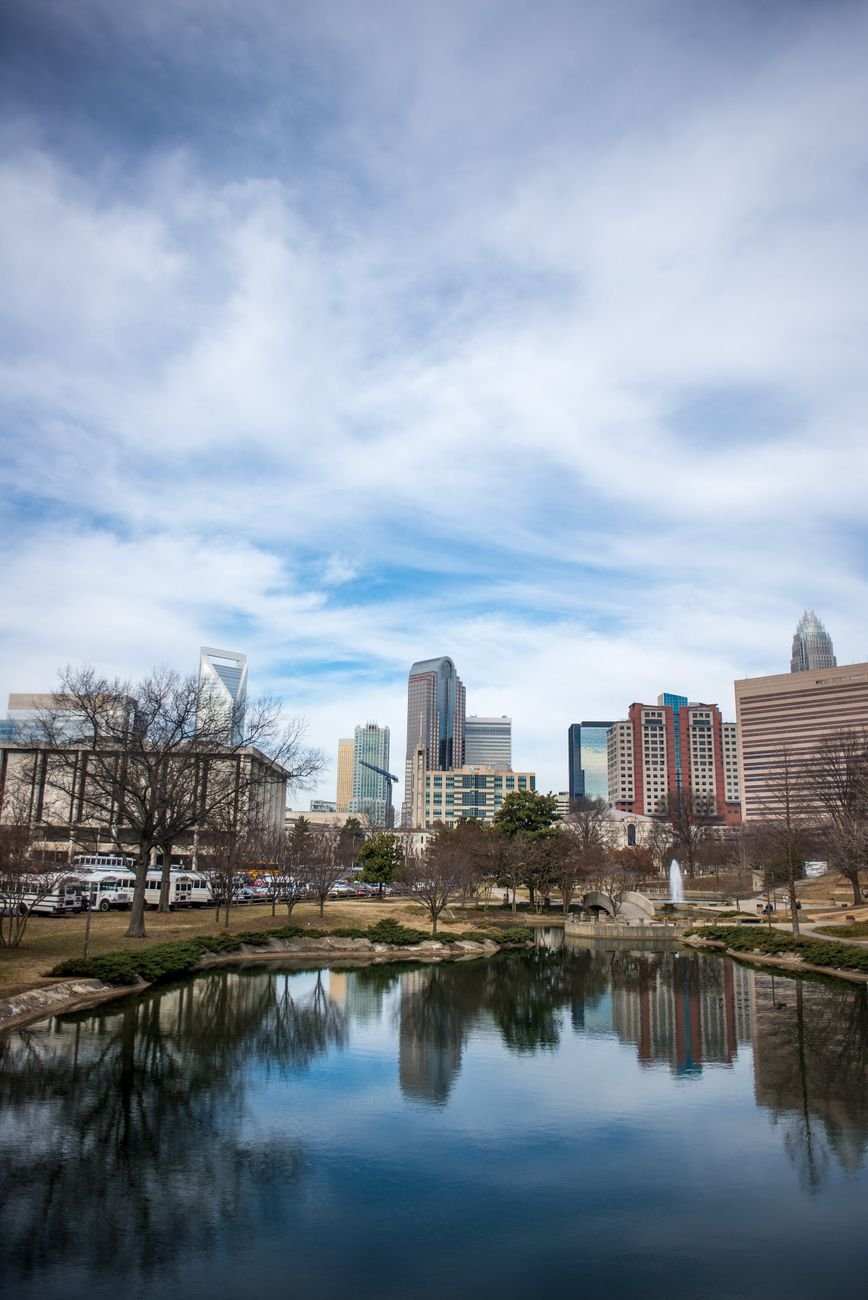
On a Saturday morning along the Little Sugar Creek Greenway, joggers thread past dog walkers and a father teaching his daughter to ride a bike without training wheels, while a Light Rail train slides over the trestle above them, carrying riders between NoDa and uptown. Nobody here is thinking about bank towers. This is the Charlotte that doesn't make the skyline postcard: shaded, unhurried, built for people who want to move through the city on foot instead of behind a windshield. The best parks in Charlotte are not an afterthought to the glass and steel uptown. They are where the city actually spends its weekends, from a terraced hill behind the ballpark to a whitewater channel carved into the woods along the Catawba River.
Charlotte has sprawled fast for three decades, and the park system has had to catch up piece by piece rather than all at once. That history shows. Some parks are historic, laid out when Charlotte was still a mill town. Others are brand new, built into the footprint of a rail yard or a parking deck as the city densified around them. A few sit far enough outside the core that they feel like a different state entirely. What ties them together is that none of them ask you to pretend Charlotte is a small town. This is a fast-growing, increasingly diverse Southern city, and its parks reflect that: young families from a dozen countries sharing a splash pad, longtime Charlotteans walking the same loop their parents walked, transplants discovering that this city has real green space to offer if you know where to look.
The Best Parks in Charlotte, Sorted by What You Actually Want to Do
This guide moves outward from the center: the compact uptown parks built for lunch breaks and evening concerts, the larger signature parks that anchor Charlotte's close-in neighborhoods, the greenways that stitch those parks together, the nature preserves and lakes on the city's edges, and finally the U.S. National Whitewater Center, which does not fit cleanly into any category. Each entry covers what the place actually is, why it earns its spot, and how to use it well.
Uptown Parks: Where the Skyline Meets the Grass
Romare Bearden Park
Romare Bearden Park sits at the western edge of uptown, close enough to Truist Field that you can hear the crack of a Charlotte Knights bat from the upper lawn on a summer evening. The park is named for the Charlotte-born collage artist Romare Bearden, and it is built on a series of terraces that step down from street level toward a wide central lawn, with a cascading water feature that kids treat as a splash pad the moment the weather turns warm. What makes it worth a visit is the framing: from the top terrace, the uptown skyline rises directly behind the grass, which makes it one of the few spots in the city where you can photograph the towers and the park in the same shot. Bring a blanket for the lawn, arrive near sunset if you want the buildings lit up, and expect it to fill with a genuine mix of office workers, ballpark crowds, and neighborhood families rather than any one type of person.

First Ward Park
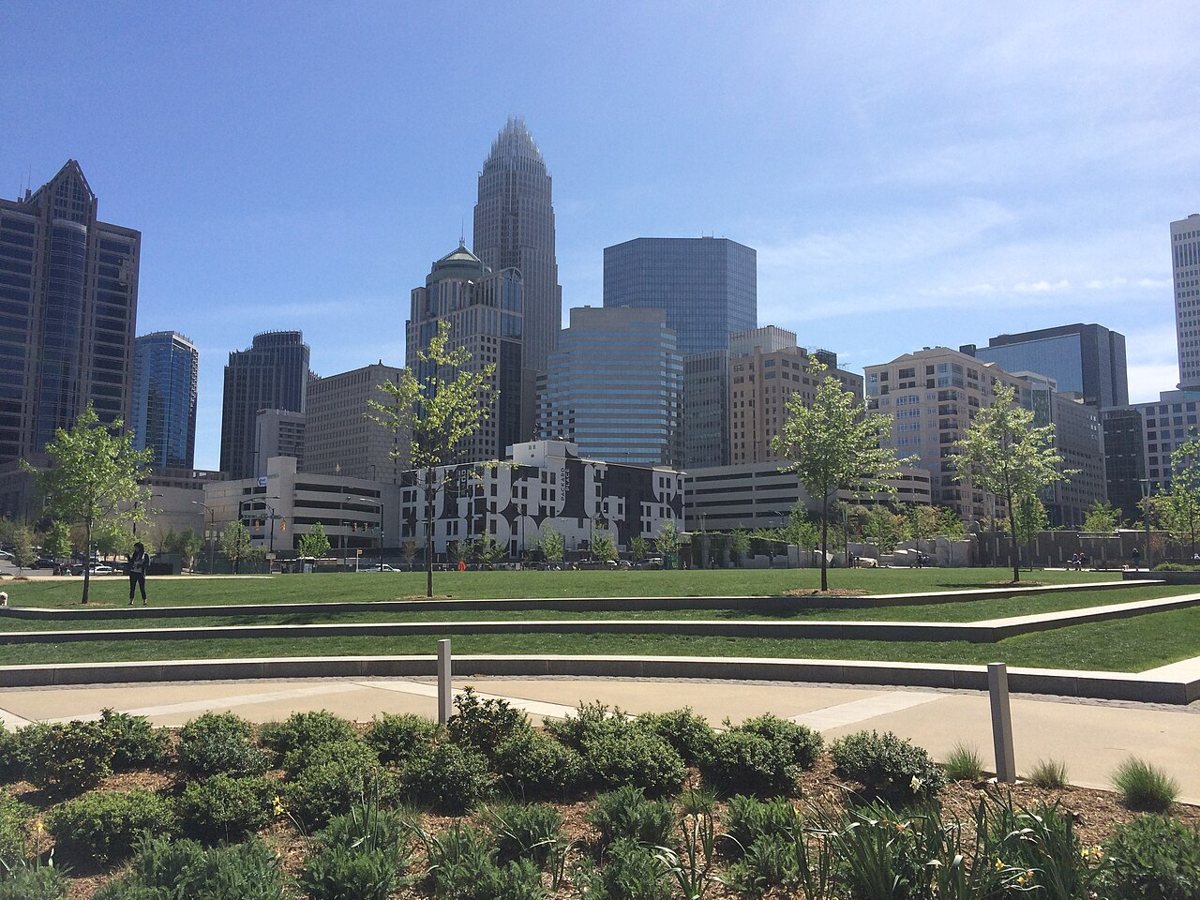
First Ward Park occupies the northeast corner of uptown, wedged between the growing First Ward residential district and UNC Charlotte's Center City campus. It reads as newer and more manicured than Romare Bearden, with a big open lawn used for pickup soccer and outdoor movie nights, a fountain and splash pad that draws a steady rotation of toddlers, and a fenced dog park that neighborhood residents treat like a second living room. The park was built as part of a broader push to give uptown Charlotte residents actual green space instead of just office plazas, and it shows in how lived-in it feels on any given evening. It sits an easy walk from Light Rail stops downtown, which makes it a natural stop before or after a Blue Line trip, and it is flat and paved enough around the perimeter to work for a stroller loop even if you never touch the grass.

Marshall Park
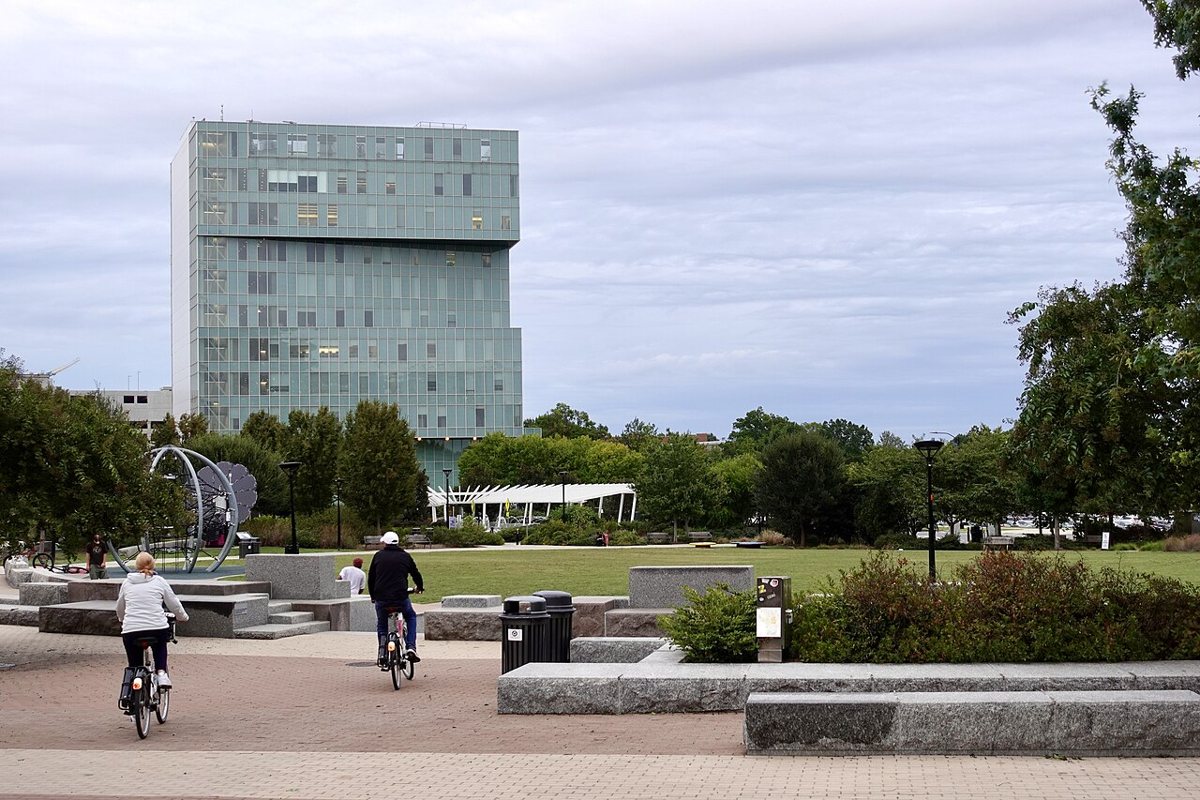
Marshall Park is the quieter, more reflective entry on this list, and its history is worth knowing before you visit. The park sits near what was once the Brooklyn neighborhood, a historically Black community in Charlotte's Second Ward that was demolished during urban renewal in the 1960s and 70s. Today the park is a calmer green space near the government district, centered on a small lake with a walking path, shaded benches, and views toward the county and city buildings that now occupy much of the old Second Ward footprint. It is not a destination in the way Romare Bearden or First Ward are. Government workers eat lunch here, and it functions as a rest stop for anyone walking between uptown and South End. If you want a slower, more contemplative uptown park experience, this is it.
Signature City Parks
Freedom Park
Freedom Park is the park most Charlotteans mean when they say "the park," and it earns that shorthand. The 98-acre space between Myers Park and Dilworth centers on a small lake ringed by a walking path, with a bandshell that hosts everything from community concerts to the long-running Festival in the Park each fall. Locals bring dogs to the open fields near the "dog bowl," kids fish off the small dock, and joggers use the loop around the lake as a warm-up before continuing onto the Little Sugar Creek Greenway, which runs directly through the park and connects it to Uptown and points south. What sets Freedom Park apart is how many different things happen in it at once without any of them feeling out of place: a birthday party under one shelter, a soccer league on the fields, a couple reading on a bench by the water. Go on a weekend morning if you want it at its most active, or a weekday evening if you want the lake to yourself.

Independence Park
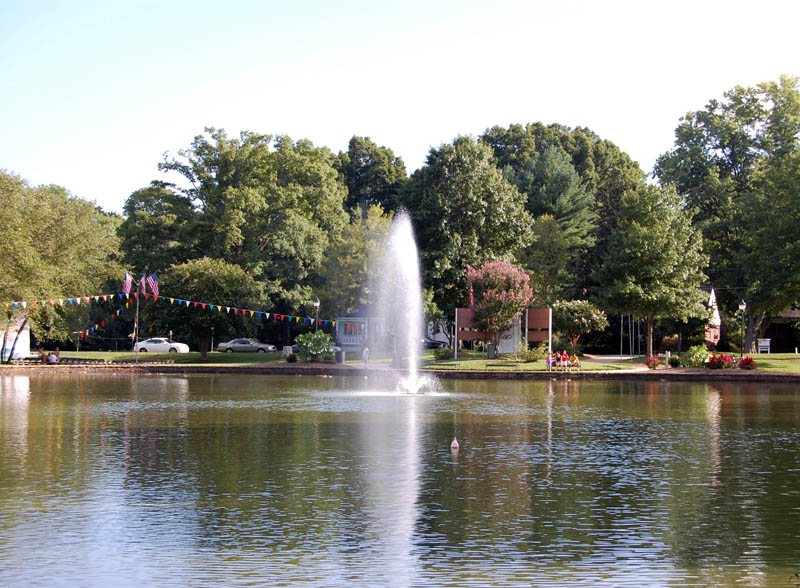
Independence Park, in the Elizabeth neighborhood just east of uptown, is the oldest park in Charlotte's system, and its age gives it a texture the newer parks don't have. Mature hardwood canopy shades stone footbridges and winding paths that were laid out when Elizabeth was still a streetcar suburb, and the park includes a public pool and tennis courts alongside the more passive walking areas. It is smaller and quieter than Freedom Park, which makes it a better choice if you want a genuine walk in the shade rather than a scene. The Elizabeth neighborhood around it is worth building into the trip, with its own mix of early-1900s houses and small commercial strips, and the park connects into the broader Little Sugar Creek Greenway network for anyone who wants to keep walking past its borders.

Symphony Park
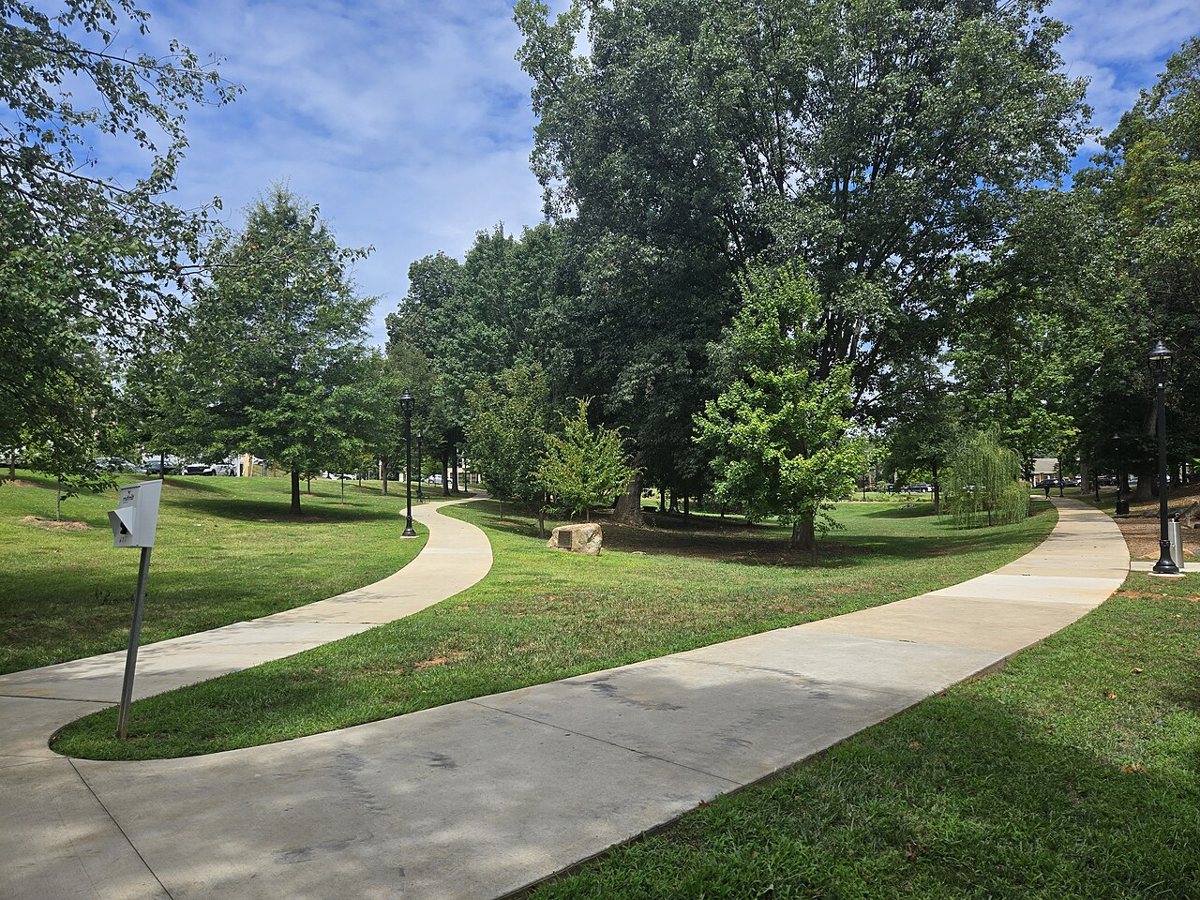
Symphony Park is a compact, formal green space in SouthPark, built around a central fountain and framed by lawn panels that host free outdoor concerts in warmer months. It functions differently than the other parks on this list. Rather than a destination for a long afternoon, it is the kind of park that catches office workers on a lunch break and shoppers taking a breather from the SouthPark retail corridor nearby. The scale is intimate, the landscaping is tightly maintained, and the fountain gives it a focal point that makes it a natural meeting spot. If your visit to Charlotte includes SouthPark, it is worth a short stop even if it is not worth building an entire day around.
Greenways: The City's Connective Tissue
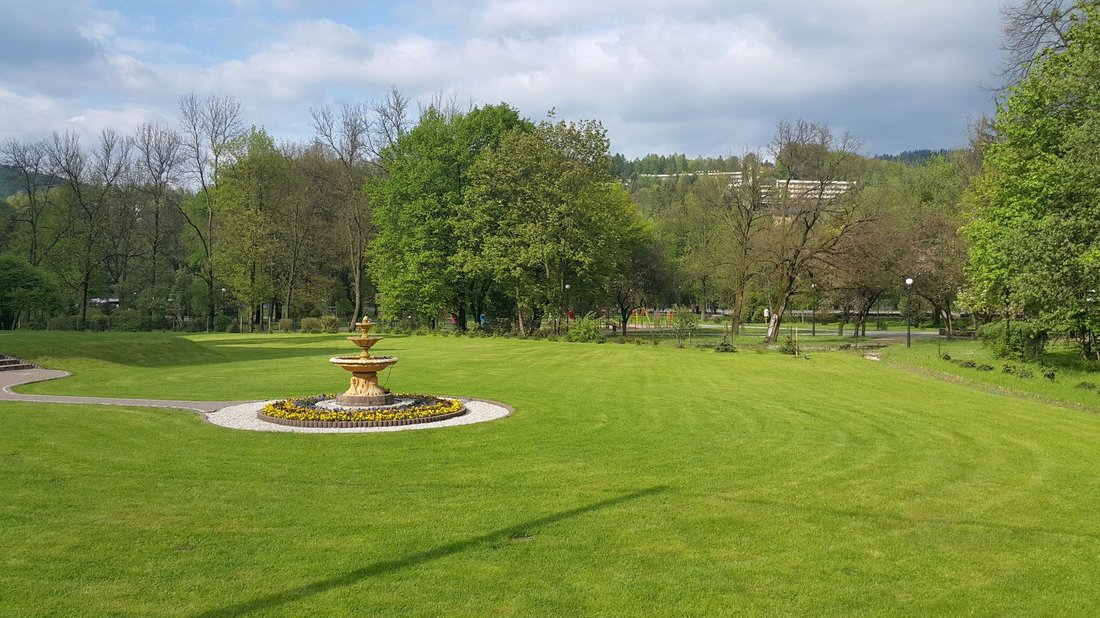
None of the parks above function in isolation. Charlotte's greenway system links them, and understanding the city's greenway network changes how you plan a visit, because it means you can walk or bike from one park to the next instead of driving between separate stops.
Little Sugar Creek Greenway
The Little Sugar Creek Greenway is the spine that most of this list hangs from. The paved, multi-use trail follows its namesake creek from near uptown through Elizabeth and Freedom Park, then continues south through Dilworth and beyond, with a separate northern stretch running through Plaza Midwood toward NoDa. Runners use it for long training loops, cyclists use it as a low-stress commuter route, and families use short sections of it as an easy afternoon walk. What makes it more than just a trail is how many destinations sit directly on it: Freedom Park and Independence Park both connect straight into it, and several Light Rail stations sit close enough that you can combine a train ride with a stretch of walking. Pick a segment near whichever neighborhood you are already in rather than trying to do the whole thing at once.

The Cross Charlotte Trail
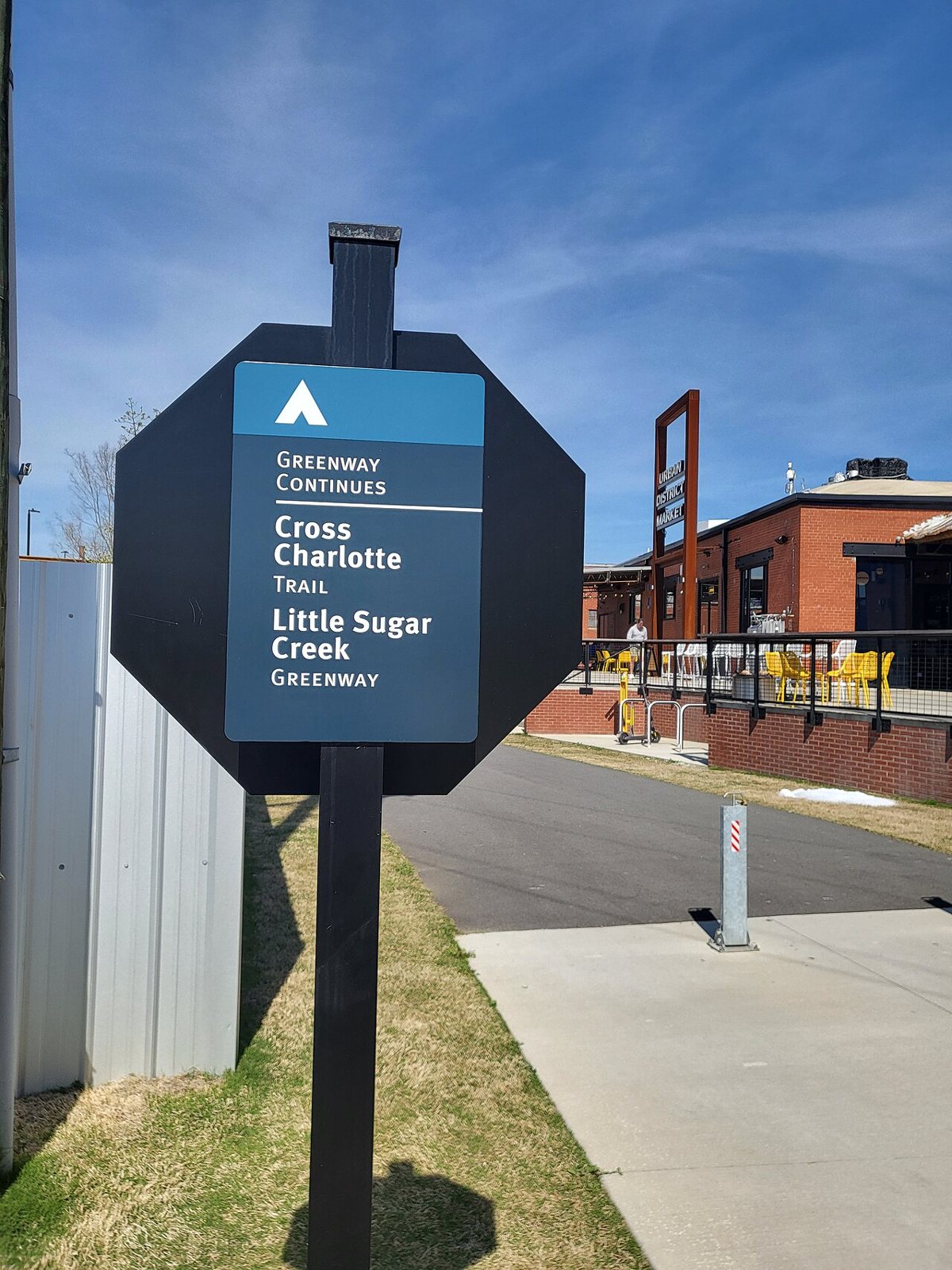
The Cross Charlotte Trail is the more ambitious, still-unfolding project: a planned corridor running roughly the length of the city, from the south side near Pineville up through uptown and out to the UNC Charlotte area near the county line. Completed segments already give walkers and cyclists long, largely uninterrupted stretches through neighborhoods that used to have no direct trail connection at all, and new sections continue to close gaps between what already exists. It will not feel finished on any single visit, and that is fine. Treat it as a series of good individual walks rather than one continuous trip, and check whichever segment is nearest to where you are staying.
Nature Preserves and Lakes
Charlotte's edges look nothing like its center. Drive twenty or thirty minutes out from uptown in almost any direction and the city gives way to lake shoreline and hardwood forest, much of it protected as county nature preserve.
McDowell Nature Preserve
McDowell Nature Preserve sits on Lake Wylie in southwest Mecklenburg County, and it is the largest, most fully developed of the region's nature preserves. Miles of hiking trails wind through forest before opening onto the lakeshore, and a nature center anchors the property with exhibits on the area's wildlife. Paddlers put in canoes and kayaks along the shoreline, campers use the preserve's campground for a night away without leaving the county, and a disc golf course draws its own separate crowd on weekends. It rewards a half-day visit rather than a quick stop, since the drive out is real and the trail network deserves the time.

Latta Nature Preserve
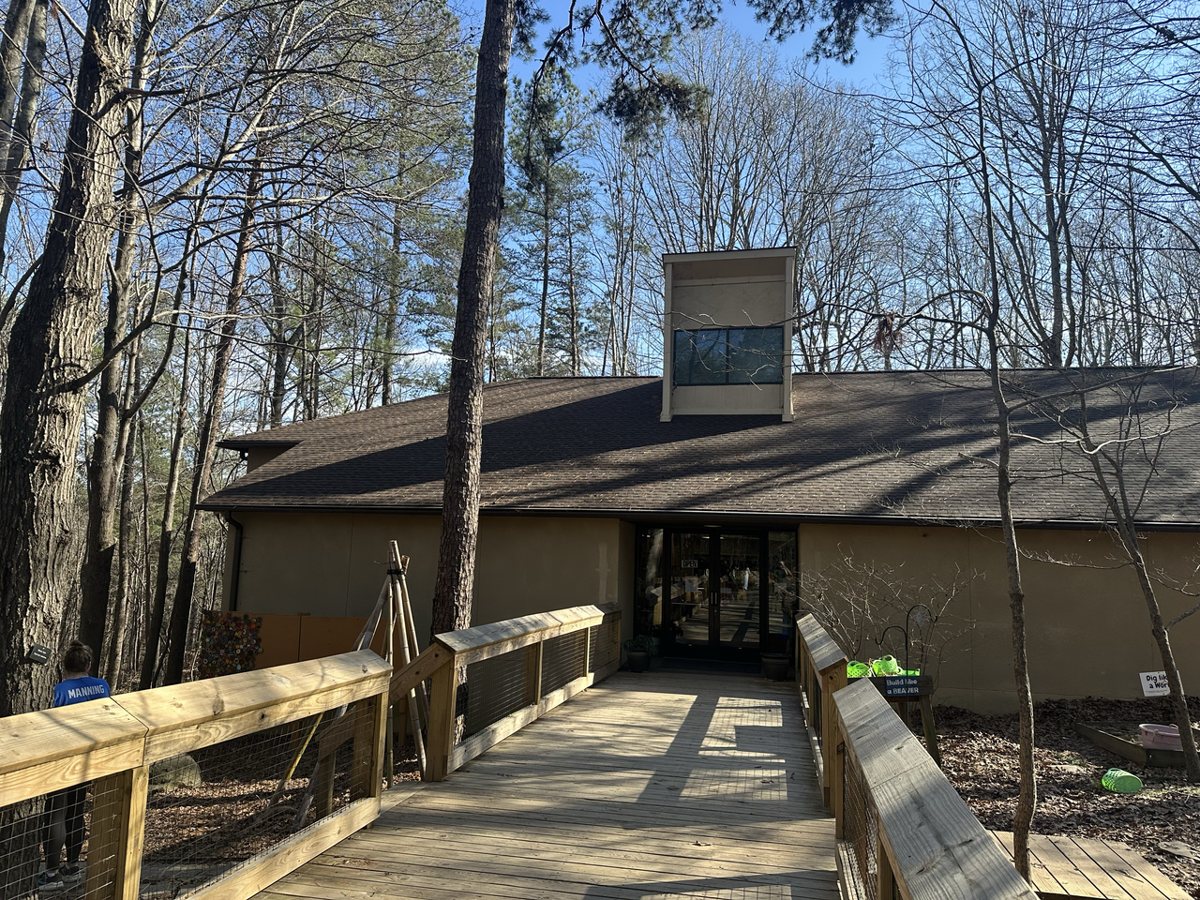
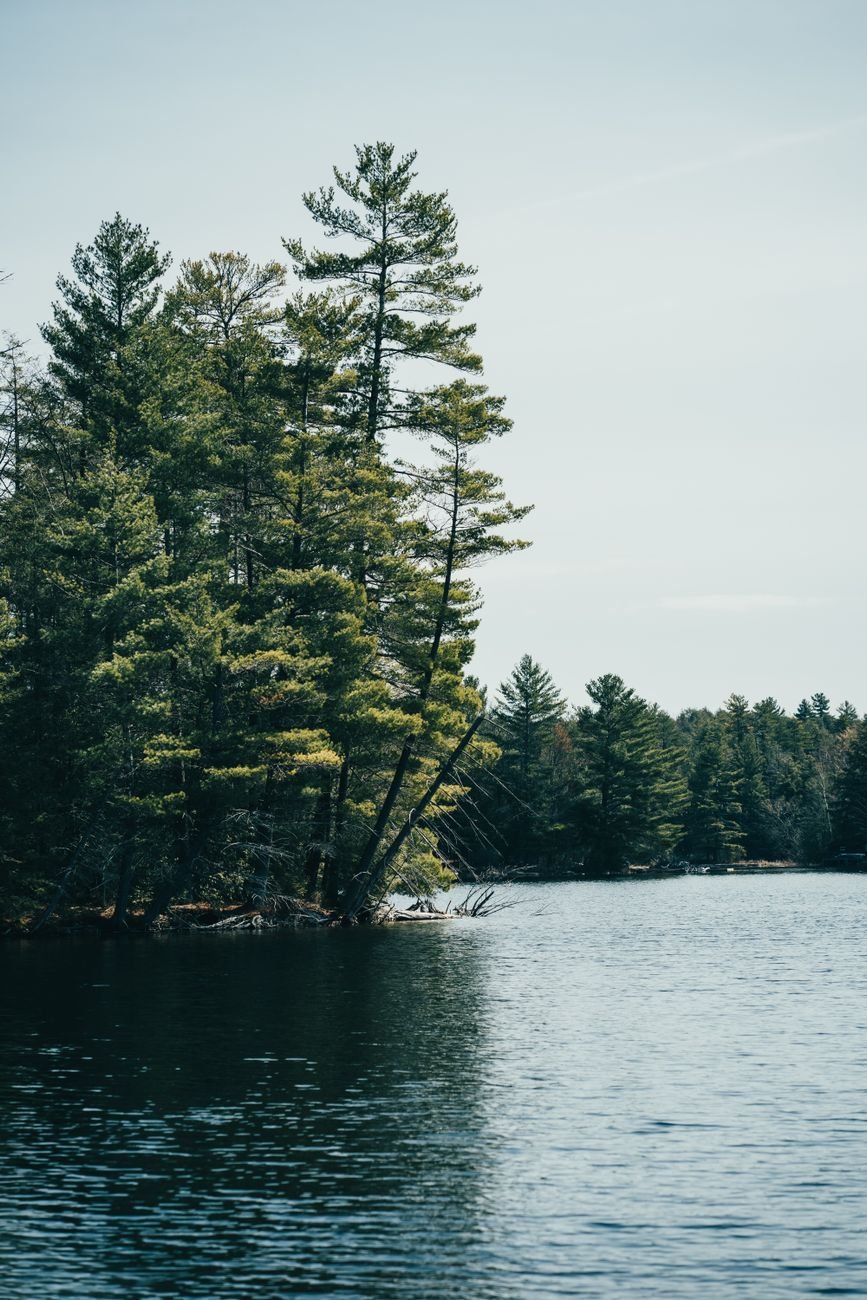
North of the city on Mountain Island Lake, Latta Nature Preserve pairs miles of wooded hiking and equestrian trails with lake access and a raptor program that introduces visitors to birds of prey native to the region. The preserve borders Mountain Island Lake, one of the reservoirs that supplies the region's drinking water, and the trails along its edge give some of the best lake views available anywhere in the county without a boat. Horseback riders use the equestrian center on-site, hikers use the network of loop trails through the forest, and the whole property has a slower, more rural feel than anything closer to uptown. It is a legitimate half-day trip, best paired with a picnic near the water.
Reedy Creek Nature Center & Preserve
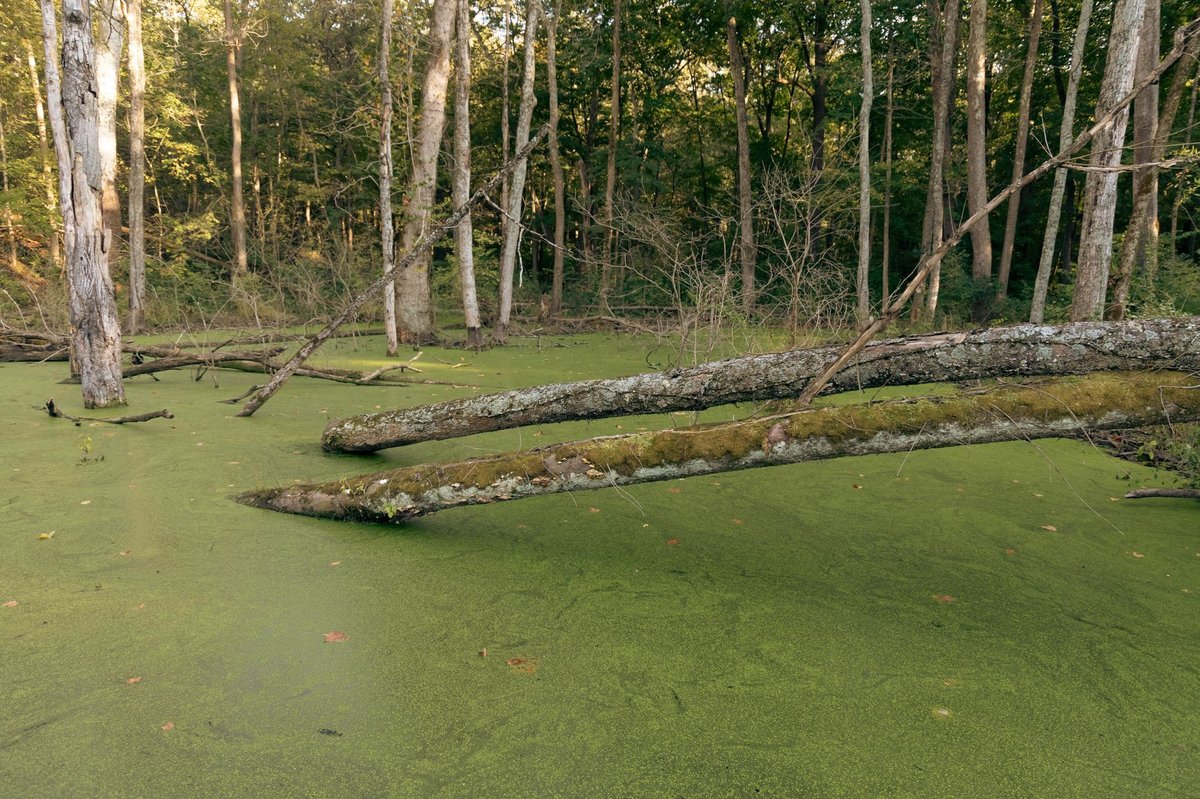
On the city's east side near Mint Hill, Reedy Creek Nature Center & Preserve offers a network of hiking trails through mixed forest, several small ponds, and a nature center with exhibits geared toward families and school groups. It draws a smaller, more local crowd than McDowell or Latta, which makes it a good choice if the goal is a quiet walk rather than a full outing. Birdwatchers favor it for the variety of species around the ponds, and the trail difficulty stays mild enough for casual hikers and kids. It is the least crowded entry on this list, and that is exactly its appeal.
The Whitewater: A Different Kind of Park
U.S. National Whitewater Center
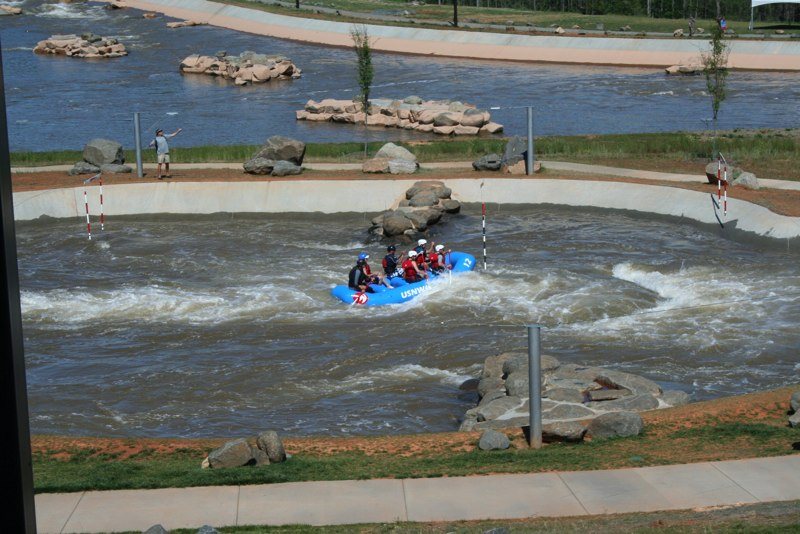
West of the city near the Catawba River, the U.S. National Whitewater Center, which locals just call "the Whitewater," is unlike anything else on this list. Built around a constructed whitewater channel used for rafting and kayaking, the property also includes miles of hiking and mountain biking trails through the surrounding woods, a ropes course, and zip lines strung above the river gorge. Rafters and paddleboarders work the channel while runners and cyclists use the trail network along the riverbank, and the whole place has an outdoor-outfitter energy that feels closer to the mountains than to a Charlotte city park. It is not close to uptown, and it is not really walkable from anywhere else on this list, so plan it as its own trip rather than a stop on a park-hopping day. Anyone building a weekend outdoors around Charlotte should put it near the top, especially if the group wants something more physical than a walk around a lake.

Practical Notes: Parking, the Light Rail, and Timing
Charlotte's parks split cleanly into two categories for planning purposes: the close-in, walkable ones near uptown and the Light Rail line, and the farther-out nature preserves and the Whitewater, which require a car.
- Romare Bearden Park, First Ward Park, and Marshall Park all sit within easy walking distance of uptown Light Rail stops, so a car is optional if you are already staying or working downtown.
- Freedom Park and Independence Park are best reached by connecting to the Little Sugar Creek Greenway on foot or by bike from a nearby neighborhood, though both also have on-site parking areas.
- McDowell Nature Preserve, Latta Nature Preserve, Reedy Creek Nature Center & Preserve, and the U.S. National Whitewater Center all require a drive, since none sit near a Light Rail line or a connected greenway segment.
- Weekday mornings and early evenings are the least crowded times at every park on this list, while weekend afternoons bring out the biggest crowds, particularly at Freedom Park and the Whitewater.
- Every park listed here is free to enter and walk. Paid activities exist at some of them, including certain courses and rentals at the Whitewater and boat launches at the lake preserves, but the trails, lawns, and greenways themselves cost nothing.
The Case for Charlotte's Parks
Charlotte spends a lot of energy explaining itself through its skyline: the bank towers, the new construction cranes, the sense of a city building itself in real time. The parks tell a truer story. Romare Bearden Park and First Ward Park show a city trying to build real public space into its densest blocks rather than treating parks as an afterthought. Freedom Park and Independence Park show the neighborhoods that came before the growth spurt, still intact and still in use. The nature preserves on the edges and the Whitewater out west show how much undeveloped land still surrounds a metro area that often gets described as nothing but sprawl. None of these places require you to already know Charlotte to appreciate them. Walk the greenway, sit by Freedom Park's lake, or spend an afternoon on the trails at Latta, and the city starts to make sense in a way the skyline alone never quite manages.