Best Day Trips From Charlotte for 2026
Charlotte sits within about two hours of real mountains, two state capitals, and enough lake shoreline and vineyard rows to fill a year of Saturdays. Here's where locals actually point their cars.
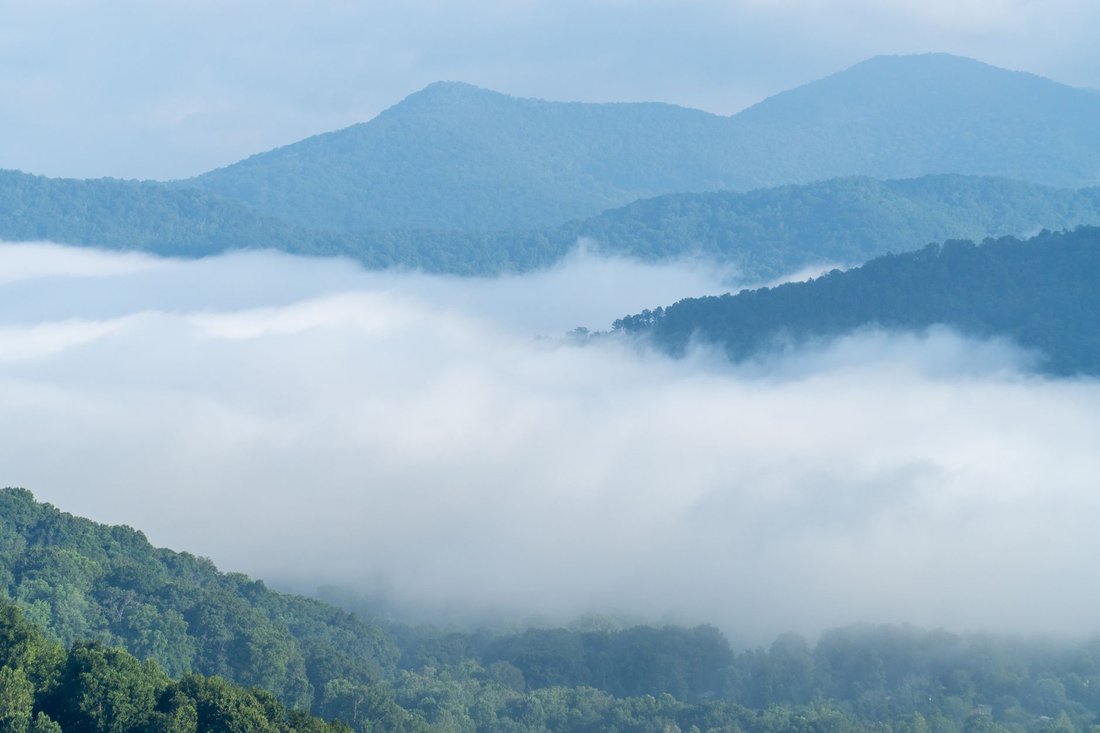
By 7:15 on a Saturday morning, the put-in line at the U.S. National Whitewater Center already has Vermont, Georgia, and South Carolina plates mixed in with the Mecklenburg ones, kayaks bungeed to roof racks and coffee going cold in cupholders. It's a fine way to spend a morning without leaving city limits, and people who moved here from somewhere with actual elevation change like to point out that the whitewater center exists in part because Charlotte, for all its cranes and glass towers, sits on a plain. This is where any list of the best day trips from Charlotte has to begin: the mountains are two hours away, the coast is four. In between are small towns, lake shorelines, two other state capitals, and a wine region most Charlotteans have visited once, if ever, usually for a wedding rather than on purpose.
That geography gets discussed mostly in terms of banking headquarters and airport connections, which sells it short. What it means, day to day, is that a person can finish an ordinary Friday of work, load a cooler, and wake up somewhere with fog sitting in a valley or a river running past a downtown that isn't Charlotte's. Plenty of cities this size don't have that option within a single tank of gas. Charlotte does, in more directions than most people ever get around to trying.
Most weeks that restlessness gets worked out closer to home. A Friday evening at a South End brewery or a slow Saturday spent wandering the NoDa arts district covers it fine. But some weekends call for a state line, a mountain switchback, or at minimum a different area code, and this rundown covers the best day trips from Charlotte that don't require booking a hotel: places you can leave for at seven in the morning and be home for a late dinner, or stretch into an overnight if the view from the overlook talks you into staying. Some are barely past the outer suburbs. Others eat most of a tank of gas each way. All of them are real, drivable, and worth what I-485 costs in patience to get out of town.
The Best Day Trips From Charlotte, Sorted by Direction
Rather than rank these, it makes more sense to group them by how they feel behind the wheel: mountain drives that reward an early start, lake and foothill towns close enough for a lazy Sunday, wine country and colonial-era streets to the north, and two South Carolina cities plus one of the strangest national parks in the country to the south. Pick based on how much of the day you want to spend driving versus arriving.
Heading West Into the Mountains
Asheville anchors most people's mental map of the western mountains, and it earns the reputation for reasons that have nothing to do with any one attraction. The draw is the whole package: a compact, walkable downtown thick with independent restaurants and galleries, a brewery scene that punches well above the city's size, and the River Arts District, where old furniture factories and warehouses now hold working studios you can wander through while artists are mid-project. About two hours from Charlotte on a normal traffic day, closer to two and a half once you hit I-40's construction zones or a Friday exodus out of the city. The insider move is to park once, downtown or near the River Arts District, and walk the rest. Asheville's parking situation gets ugly fast on weekends, and the neighborhoods worth seeing sit close enough together to cover on foot without moving the car again until it's time to head home.
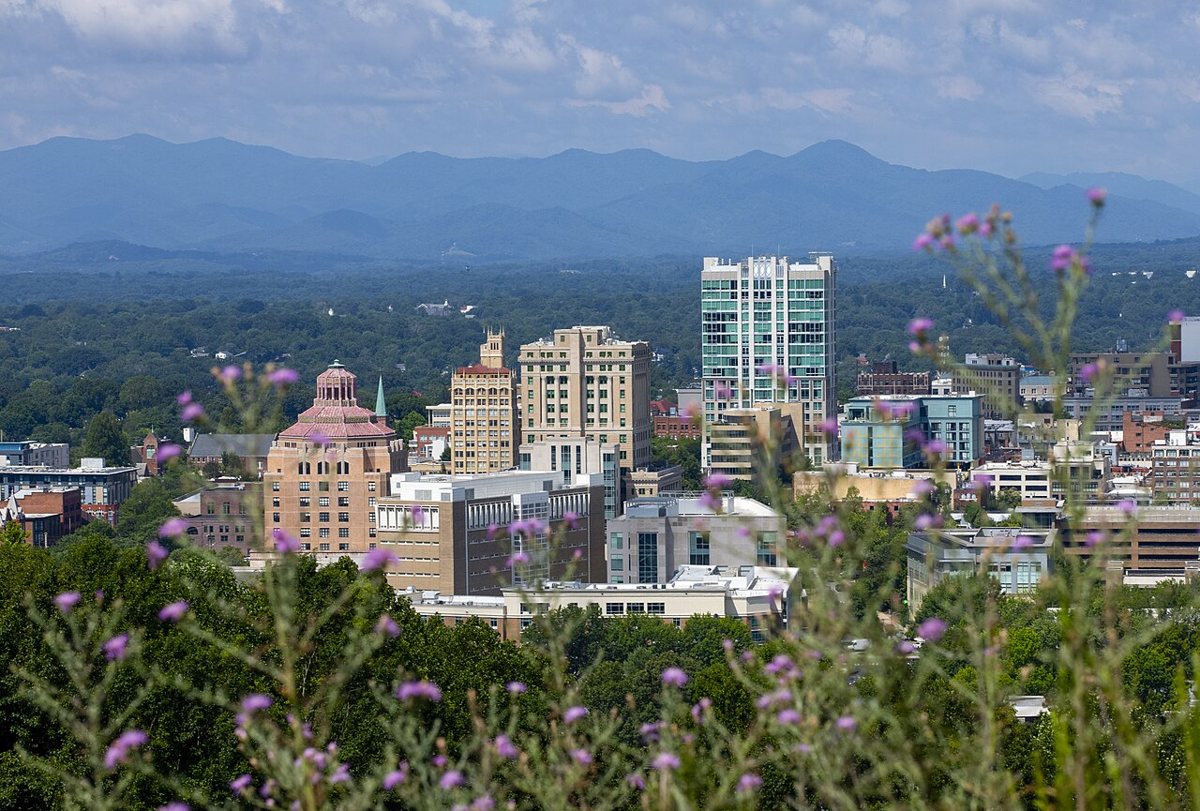

The Blue Ridge Parkway threads along the mountains for hundreds of miles, and you don't need to commit to more than a section of it to understand why people build entire trips around driving it slowly. The stretch nearest Charlotte runs through rolling high country with pull-offs at nearly every mile, each one framing a different ridge line. There's no single destination here so much as a way of spending an afternoon: pick an entrance point, usually reached in about two hours from Charlotte, and drive as far as the mood holds before turning around. Fall gets the attention and the crowds, but late spring, when the rhododendron blooms along certain overlooks, draws a smaller and arguably more rewarding crowd. Insider tip: cell service disappears for long stretches, so download directions and any music ahead of time, and expect to average well under the posted speed limit. The road wasn't built for making time, and treating it as a shortcut anywhere ruins the point of driving it in the first place.
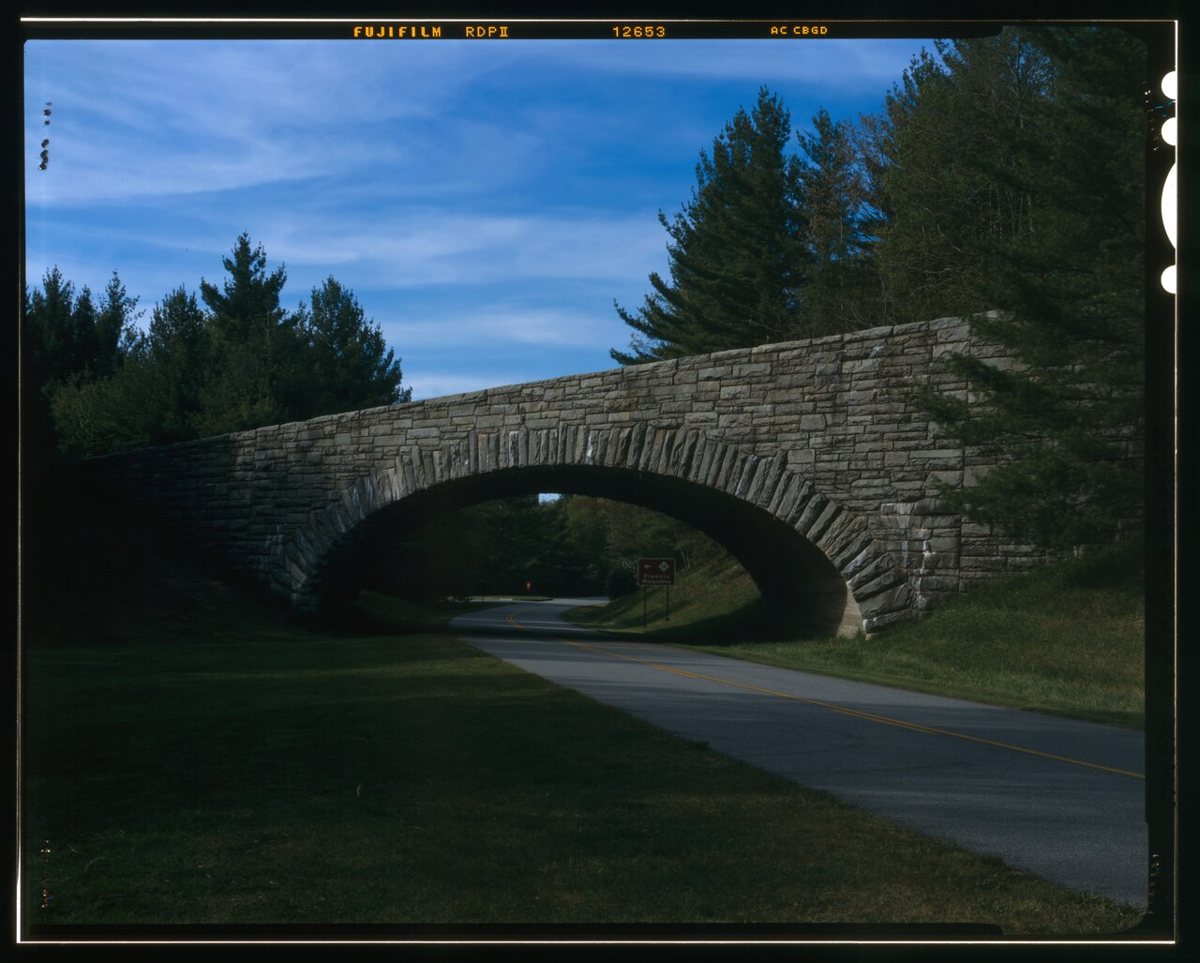
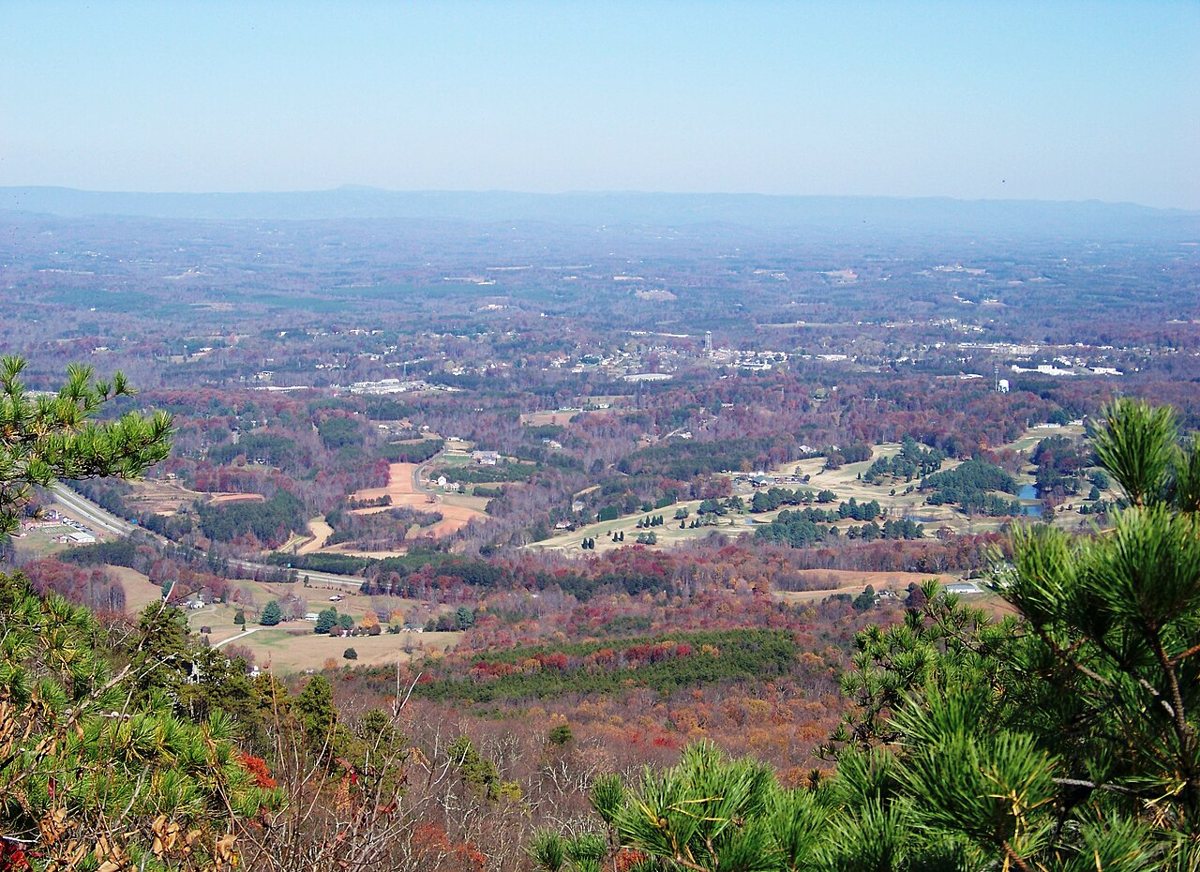
Chimney Rock State Park and the town of Lake Lure sit close enough together that most people treat them as a single trip, and the drive there, about an hour and forty-five minutes, is shorter than almost anywhere else in the mountains worth the effort. The park's namesake formation is a granite monolith with a trail and elevator access to the top, where the view opens up over Hickory Nut Gorge and the lake below. Lake Lure itself, a few minutes down the road, offers boat rentals and a beach area that draws families who'd rather swim than hike. The gorge is narrow enough that fall color shows up early here relative to the rest of the region, which makes early October a smart window before the bigger mountain towns get crowded.
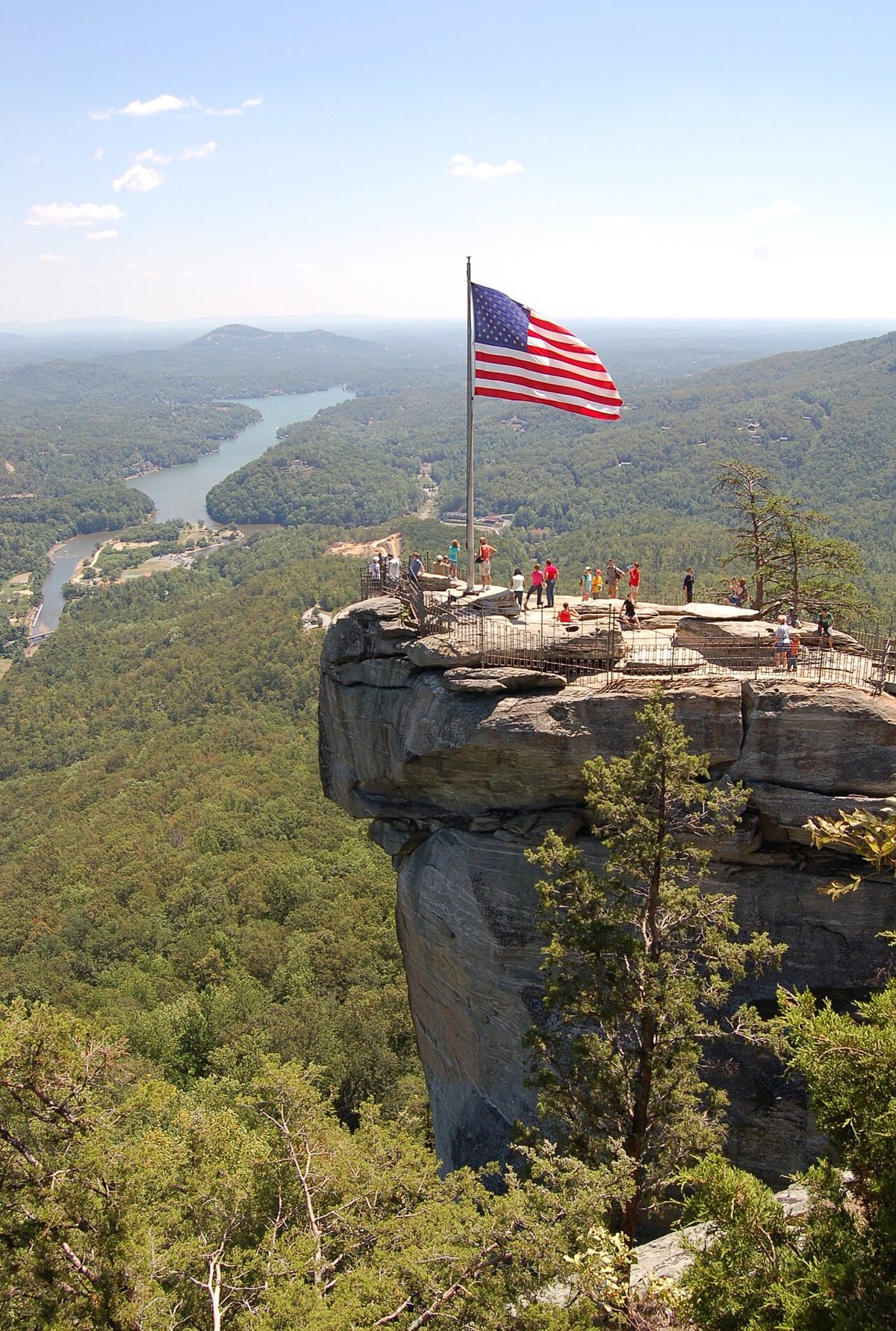

Grandfather Mountain is the most dramatic single peak within reach of Charlotte, and the mile-high swinging bridge that connects two rocky outcrops near its summit remains the reason most people make the drive, about two and a half hours, longer once you're winding up the access road itself. Beyond the bridge, the park maintains a wildlife habitat with black bears, elk, and other native species in naturalistic enclosures, and a network of hiking trails ranges from short overlook walks to serious backcountry routes with ladders and cable assists for the steeper sections. Wind picks up hard near the summit even on calm days at the base, so bring a layer no matter the season. The bridge itself sways more than people expect on breezy afternoons, which is either the appeal or the reason to skip it, depending on your tolerance for heights. Arrive early if a clear view matters, since clouds settle onto the summit by midday more often than the forecast suggests, and the parking area fills before most visitors have finished breakfast back in Charlotte.
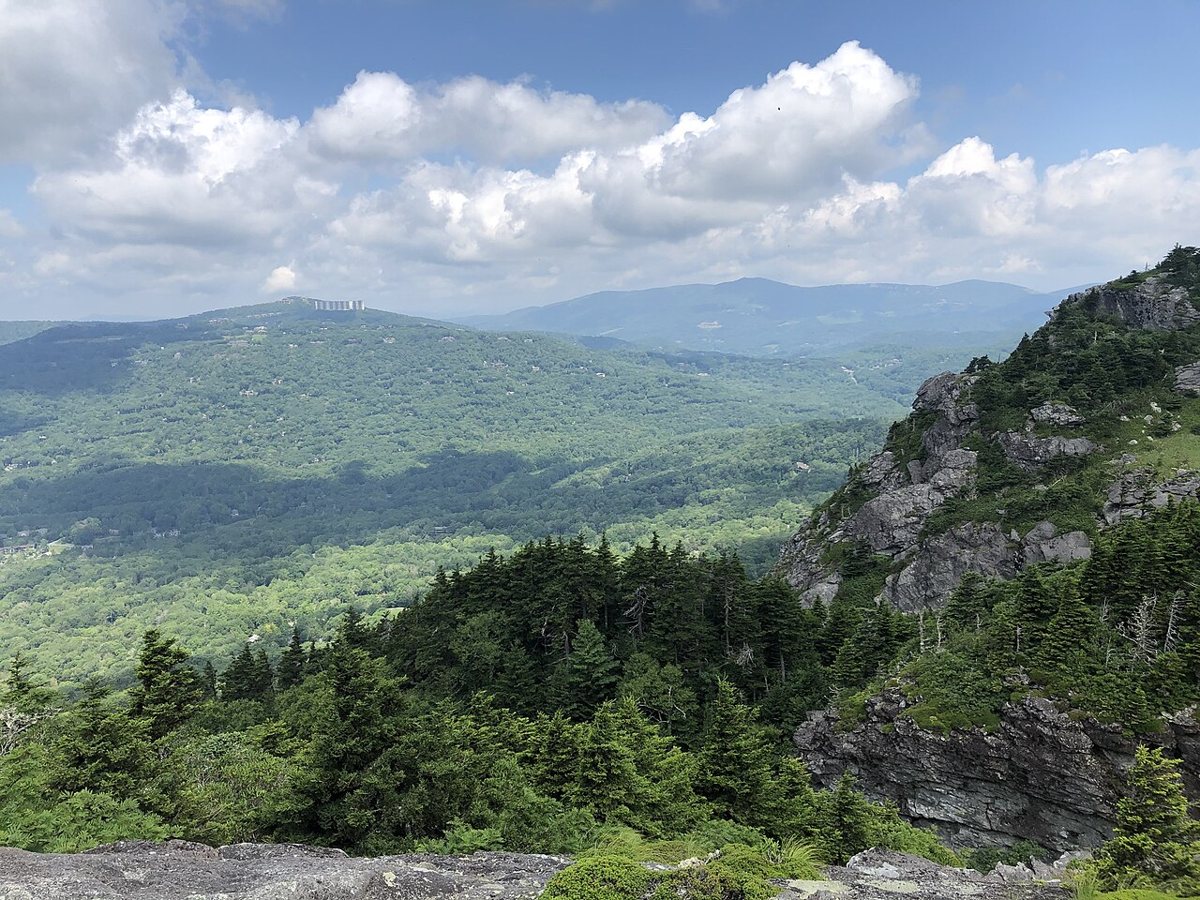

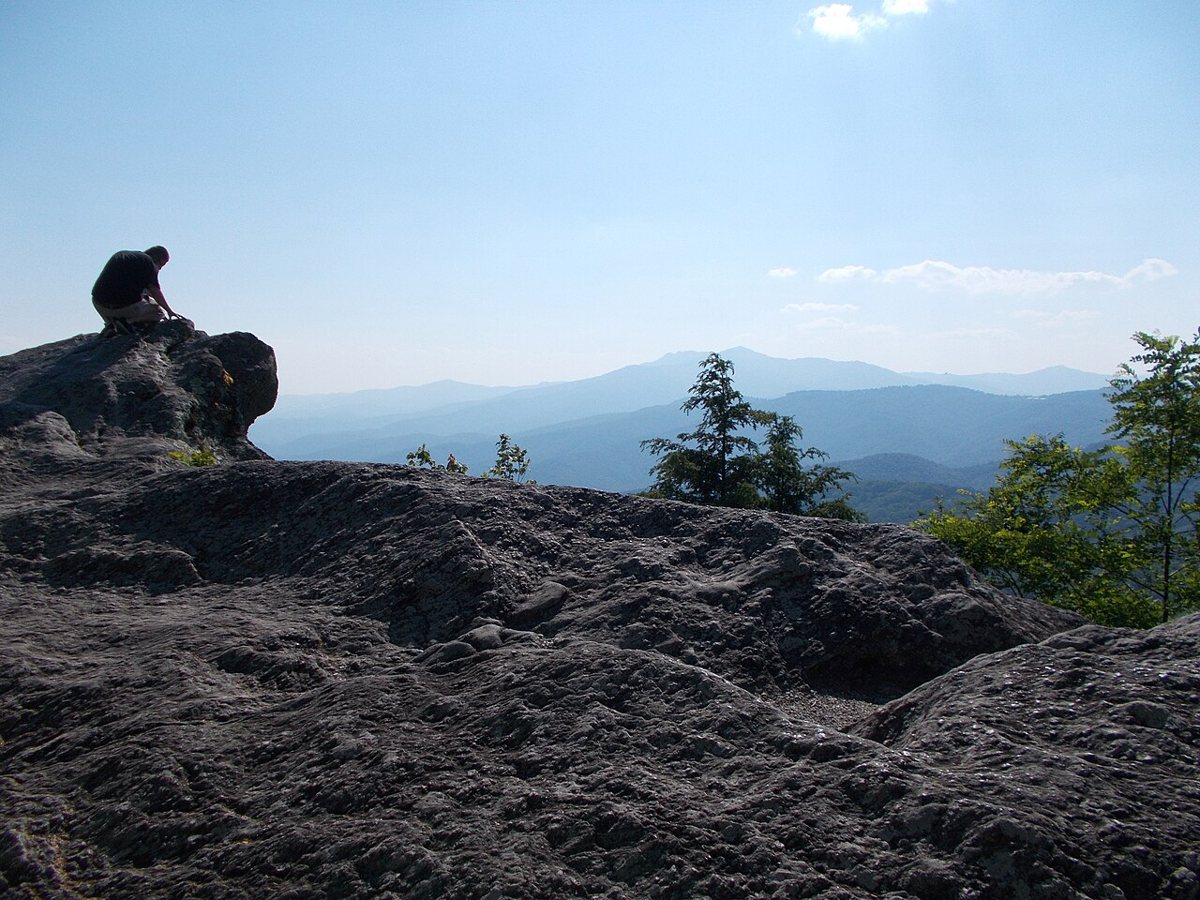
Boone and Blowing Rock sit close together in the high country and cover different moods well enough that pairing them makes sense if the day allows it. Boone, home to Appalachian State University, has a college-town energy with a walkable downtown and easy access to trailheads nearby. Blowing Rock, a few minutes south, is smaller and quieter, built around a historic downtown strip and the rock formation the town takes its name from, where updrafts are strong enough that light objects thrown from the ledge are said to blow back toward you. Plan on about two and a quarter hours from Charlotte, and add extra time in October, when this stretch of Highway 321 turns into a slow crawl of leaf-peeping traffic. Going on a weekday, if that's an option, avoids most of it. Both towns sit at high enough elevation that summer evenings run noticeably cooler than Charlotte, which makes the area a favorite for anyone trying to dodge a July heat wave without leaving the state.

Lakes and Foothills Closer to Home
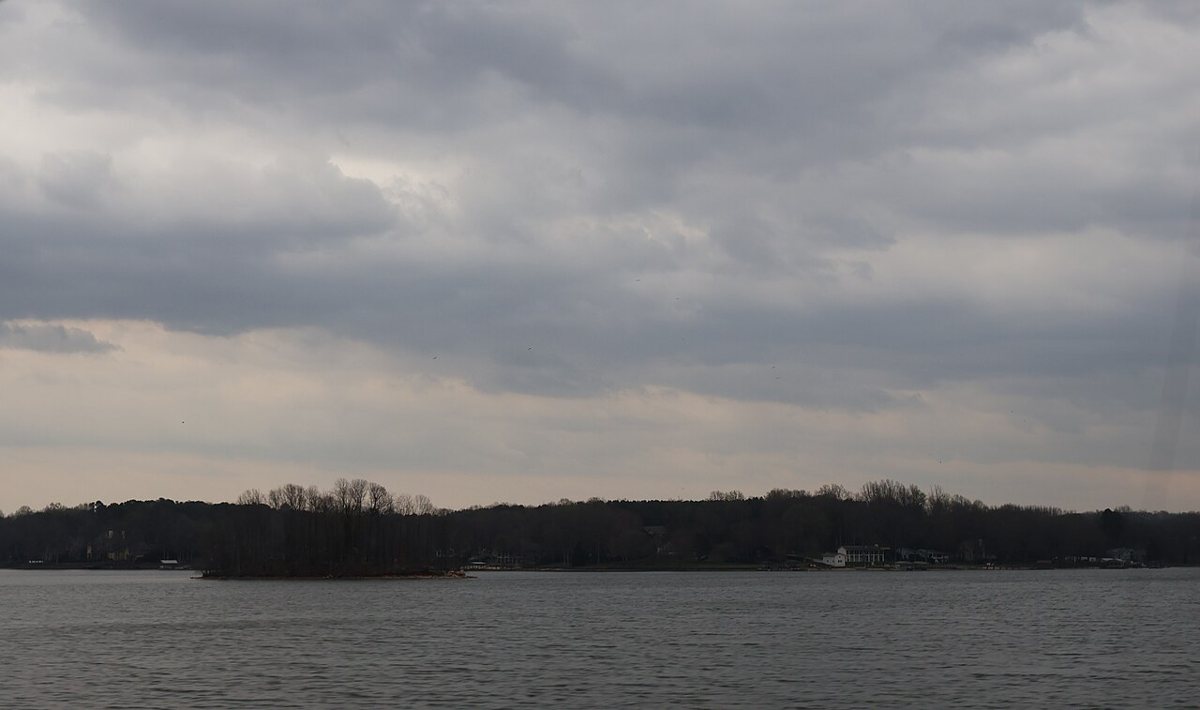
Lake Norman doesn't require a real day trip in the traditional sense. Parts of its shoreline sit closer to uptown than some Charlotte suburbs do, and plenty of residents drive past exits for it every week without stopping. Still, it earns a place on this list because so many Charlotteans never get around to actually using it. The lake spans multiple towns along its edges, each with a different personality: Davidson leans college-town and walkable, Cornelius and Huntersville lean toward marinas and waterfront restaurants, and the state park on the lake's western side offers hiking and swimming without a boat. Drive time depends entirely on which stretch of shoreline you're headed to, generally somewhere between thirty and fifty minutes. The best version of this trip starts with breakfast in Davidson's small downtown before heading to the water, which turns a lake visit into something closer to a full outing, and leaves time in the afternoon for one of the smaller public docks that don't show up on most tourist maps.

Hickory sits about an hour northwest of Charlotte and rarely comes up in day-trip conversations, which is part of its appeal. The furniture industry that built the town has left behind an unusual concentration of furniture outlet stores, but the more interesting reason to visit now is a small but genuine downtown revival, with a handful of breweries and restaurants that have moved into old storefronts along Union Square. It's a manageable half-day trip on its own, or an easy stop on the way toward Boone or Blowing Rock for anyone stretching a mountain day into two directions. The lake just outside town, Lake Hickory, offers a quieter, less developed alternative to Lake Norman for anyone who wants water without the crowds. The furniture outlets themselves are worth a stop too, if only because a few still sell factory seconds and floor samples at prices that make the drive worthwhile on their own.
Morrow Mountain State Park, about an hour and fifteen minutes east of Charlotte in the Uwharrie range, gets overlooked because it doesn't have the drama of the western mountains, but the Uwharries are some of the oldest mountains on the continent, worn down over hundreds of millions of years into rolling, forested terrain that's easy on the legs and heavy on quiet. The park includes swimming access on the Pee Dee River, a network of moderate trails, and an overlook with a wide view across the surrounding hills that rivals spots requiring twice the drive. It's a legitimate option for a family day that doesn't demand an early start or serious hiking shoes, and it stays far less crowded than the parks closer to Asheville. A small museum near the park entrance covers the region's mineral and mining history, worth ten minutes for anyone traveling with kids who need a break between the trail and the drive home.
Wine Country and Old Salem to the North
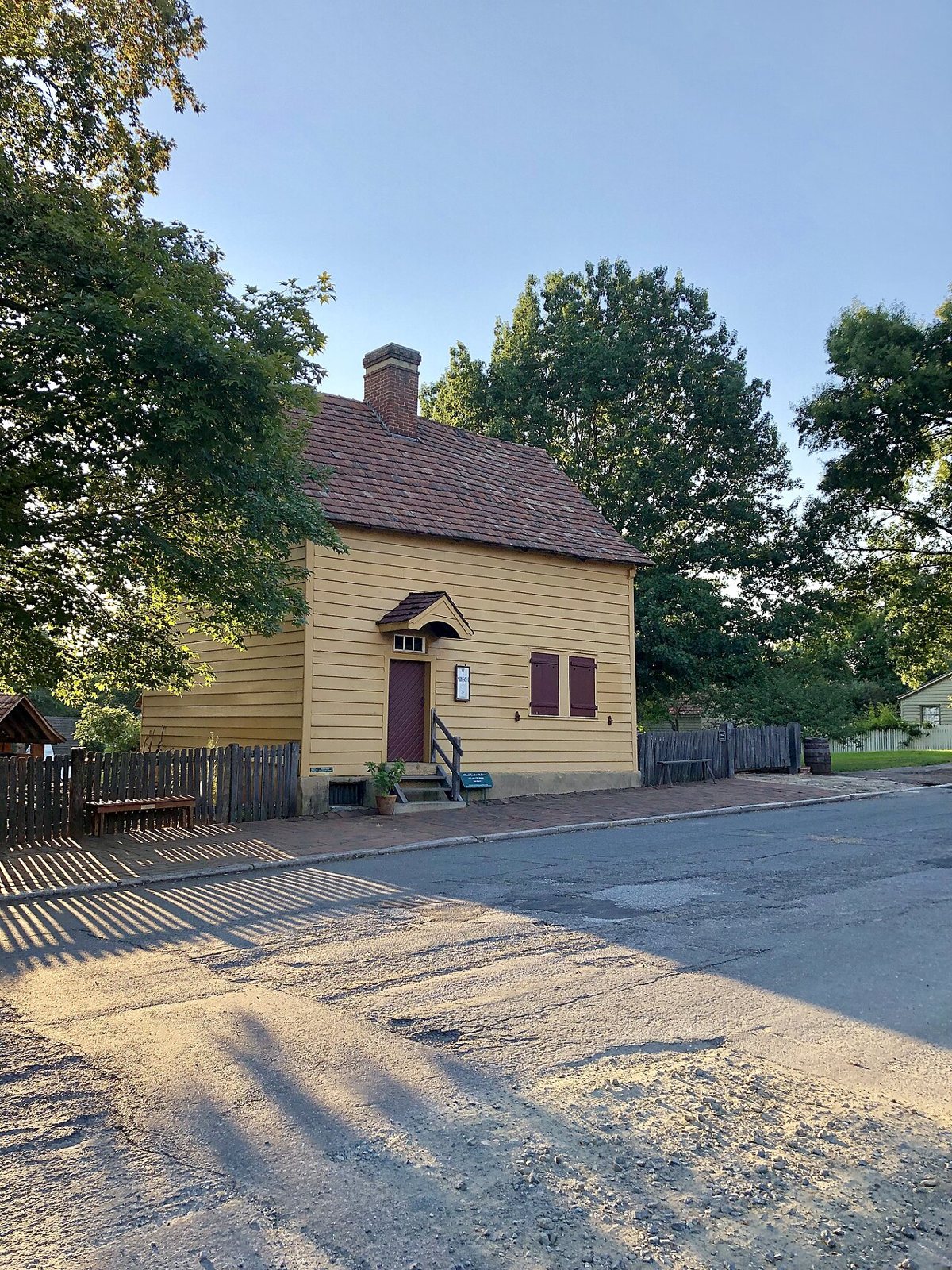
Winston-Salem, and specifically the Old Salem historic district within it, offers a different kind of day trip: less about scenery and more about walking into a preserved 18th-century Moravian settlement with costumed interpreters, working craft shops, and original buildings still standing along the original streets. About an hour and a half from Charlotte, it pairs naturally with the rest of Winston-Salem's downtown, which has its own arts district and a growing restaurant scene built partly around the old tobacco warehouses that once defined the city's economy. Old Salem rewards a slower pace than most historic sites. The bakery inside the district still produces goods using period methods, and the smell alone is worth the detour, especially for anyone who times a visit around a fresh batch of the sugar cake the town has been known for since its earliest years.

The Yadkin Valley, North Carolina's largest wine region, stretches across rolling farmland northwest of Winston-Salem and is close enough to fold into the same day if the schedule allows, or worth a dedicated trip on its own at roughly an hour and a half to two hours from Charlotte depending on which stretch of vineyards you're aiming for. The terrain and soil here turned out to be well suited to certain grape varieties, and a string of family-run wineries now dot the back roads between small towns like Yadkinville and East Bend. Most operate tasting rooms with porches overlooking the vines, and the pace tends toward unhurried in a way that stands in contrast to the more polished wine-tourism circuits elsewhere in the country. Going midweek, when tasting rooms are far quieter, makes for a noticeably better visit than a Saturday afternoon. A handful of the wineries sit close enough to each other to walk or bike between on a mild day, which turns the trip into something closer to a slow crawl through vine rows than a single stop and a drive home.
Pilot Mountain State Park sits a little further north, close enough to the Yadkin Valley wineries to combine into one long day, built around a distinctive knob of rock that rises abruptly out of the surrounding farmland and is visible from miles away in any direction. The summit trail is short but steep, and the payoff at the top is a 360-degree view across Surry County that makes the climb worth the sweat. Plan on about two hours from Charlotte. The park's isolation from the bigger mountain ranges means it rarely gets the crowds that hit Grandfather Mountain or the Blue Ridge Parkway on the same weekend, which makes it a smart backup plan when fall traffic reports out of Asheville sound discouraging. The town of Pilot Mountain just below the park has a small, unhurried downtown worth a slow lap after the climb, especially for anyone who wants lunch before heading back south.

Crossing Into South Carolina
Greenville, South Carolina has spent the past two decades building one of the more genuinely impressive downtown revivals in the Southeast, anchored by Falls Park on the Reedy, where a suspension bridge crosses directly over a waterfall in the middle of the city. Main Street runs several walkable blocks lined with restaurants and shops, and the whole downtown core rewards simply parking once and wandering. About an hour and a half from Charlotte on I-85, it's an easy trip that doesn't demand an early start. The Swamp Rabbit Trail, a paved greenway that follows the Reedy River well beyond downtown, makes for a good add-on if biking or a long walk sounds appealing after lunch. Greenville also runs cooler and drier than Charlotte for much of the summer thanks to its slightly higher elevation, which makes it a comfortable choice on the hottest weekends of the year.
Columbia, South Carolina's capital, gets less day-trip traffic from Charlotte than Greenville does, which is a little unfair given what's there. The State House grounds, the Congaree Vista's restaurant and gallery district, and the riverfront trails along the Congaree and Saluda rivers all sit within a compact, easily walkable core. About an hour and a half to two hours south of Charlotte depending on the route, it makes a reasonable pairing with the national park just south of the city for anyone willing to make a full day of it. Columbia runs noticeably hotter than Charlotte for more of the year, worth keeping in mind before planning a summer visit heavy on outdoor walking. Spring and fall treat the city far better, when the riverfront trails and the shaded blocks around the university stay comfortable well into the afternoon.
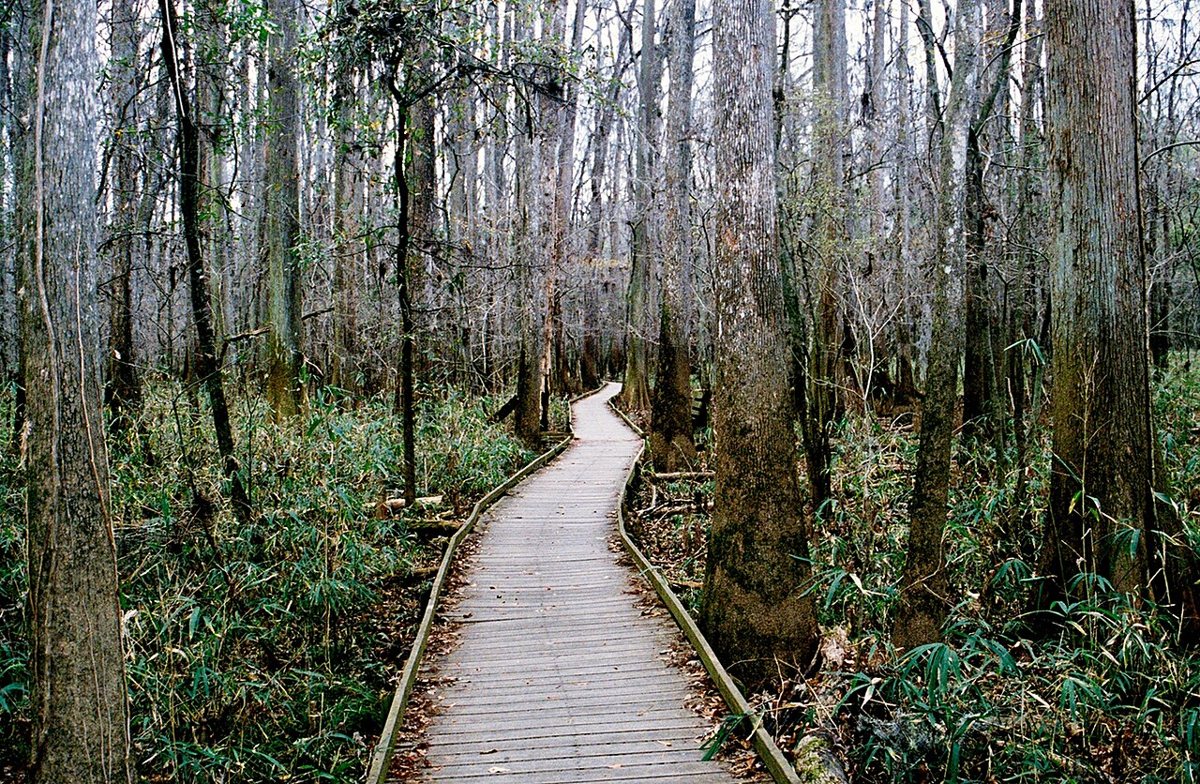
Congaree National Park, about two hours from Charlotte just southeast of Columbia, is the least visited and strangest destination on this list, and worth the detour precisely because of that. The park protects one of the largest intact tracts of old-growth bottomland hardwood forest left in the country, with trees tall enough that the canopy feels closer to a cathedral than a typical Southeast forest. A raised boardwalk loop lets visitors walk through the swamp without gear, and canoe access opens up quieter sections of Cedar Creek for anyone willing to bring or rent a boat. Spring brings a brief, well-documented phenomenon where thousands of fireflies synchronize their flashing in the same stretch of forest, though the exact timing shifts year to year with temperature and moisture. Insects are serious business here in warm months, so bug spray isn't optional. The park sits low enough and close enough to the river that flooding periodically closes the boardwalk for stretches, so a quick check of trail conditions before leaving Charlotte saves a wasted drive.

Getting There: Driving, Seasons, and Fall Traffic
A few practical notes apply across nearly every trip on this list, gathered from enough wrong turns and delayed departures to be worth writing down.
- Mountain routes get genuinely congested every October as leaf-peeping traffic converges on I-40, Highway 321, and the Blue Ridge Parkway itself. Weekday trips during peak color weeks move at a fraction of weekend pace.
- Cell coverage drops out for long stretches on the Parkway and around Grandfather Mountain. Download offline maps and any playlists before leaving cell range.
- Winter closures happen on higher-elevation sections of the Blue Ridge Parkway and on some Grandfather Mountain trails during ice events. Check conditions the morning of rather than assuming a route is open.
- South Carolina trips run warmer and more humid than the mountains for most of the year, which changes what to pack even on the same weekend you might be layering up near Boone.
- Gas up before leaving Charlotte's outer suburbs. Small-town stations along the mountain routes exist but thin out fast once past the interstate.
- Sunday afternoon return trips from the mountains back toward Charlotte tend to back up on I-40 and I-77 more predictably than the morning drive out, so building in an extra hour on the way home avoids most of the frustration.
None of these trips require much more than a full tank, a decent playlist, and a willingness to leave before the coffee shop crowd wakes up. What they have in common is proof that Charlotte's location, so often talked about in terms of banks and airport connections, is also just a genuinely good spot on the map for people who like their Saturdays to end somewhere with a view. I've made the Chimney Rock run on a whim with a cooler in the trunk and no real plan beyond the trailhead, and it remains one of the better uses of a tank of gas I know of. A friend who grew up in Boone still teases me for how long it took me to make that drive north for the first time, arguing that anyone who lives an easy morning from real mountains and skips them for a decade is missing the point of living here at all. He has a fair argument. Pick a direction, check the weather, and go.