Things to Do in Charlotte: A Local's Guide
A neighborhood-by-neighborhood guide to a city that keeps building over its own history, written by someone who still remembers what used to stand on half these lots.
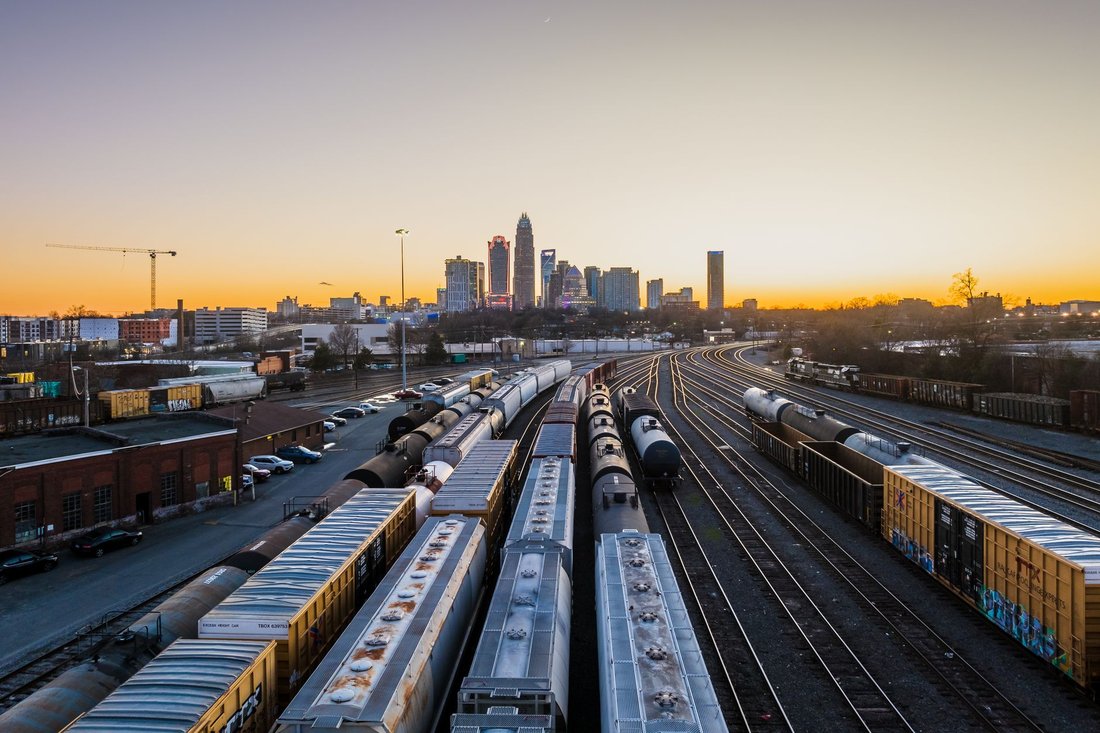
On a Saturday morning at Camp North End, the line for coffee runs past a mural painted on a wall that used to belong to a missile plant, which followed a Ford Model T assembly line, which followed a stretch of rail yard that once shipped goods across a smaller, textile-driven Piedmont. Nobody waiting for their oat milk latte is thinking about defense contracts. That layering, one use built directly on the bones of the last one, is the truest thing about this city. If you are looking for things to do in Charlotte, the fun part is that almost everywhere you go the past is still visible underneath, even in a place famous for tearing things down and putting up glass.
Charlotte gets reduced to its skyline more than it deserves. Yes, the towers are real and the corporate relocations keep happening, but growth is the fastest-moving thing about this city. Ask anyone who has lived here more than a decade what they actually do on a Saturday and you will hear about a gallery crawl in an old textile neighborhood, a brewery inside a converted warehouse, a rose garden squeezed between bungalows, or a whitewater course built where a rock quarry used to sit. This is a guide to those places, organized the way a local would actually move through the city, plus the practical stuff nobody tells you until you have already circled the same block twice looking for parking.
Things to Do in Charlotte, Uptown First
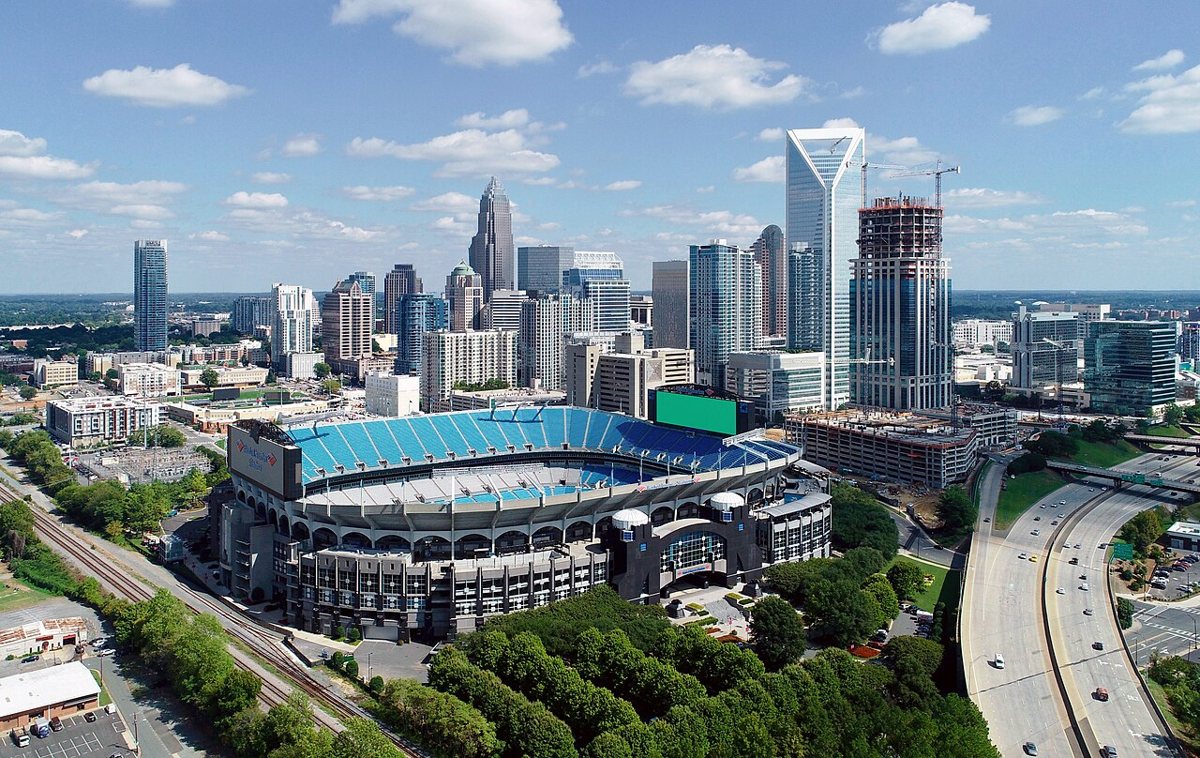
Uptown is where most visitors land, and it is worth more than a drive-through on the way to somewhere else. The skyline photographs well and the light rail runs straight through the middle of it. Pockets of green space between the office towers do real work softening what could otherwise feel like a business park with a stadium attached.
Romare Bearden Park
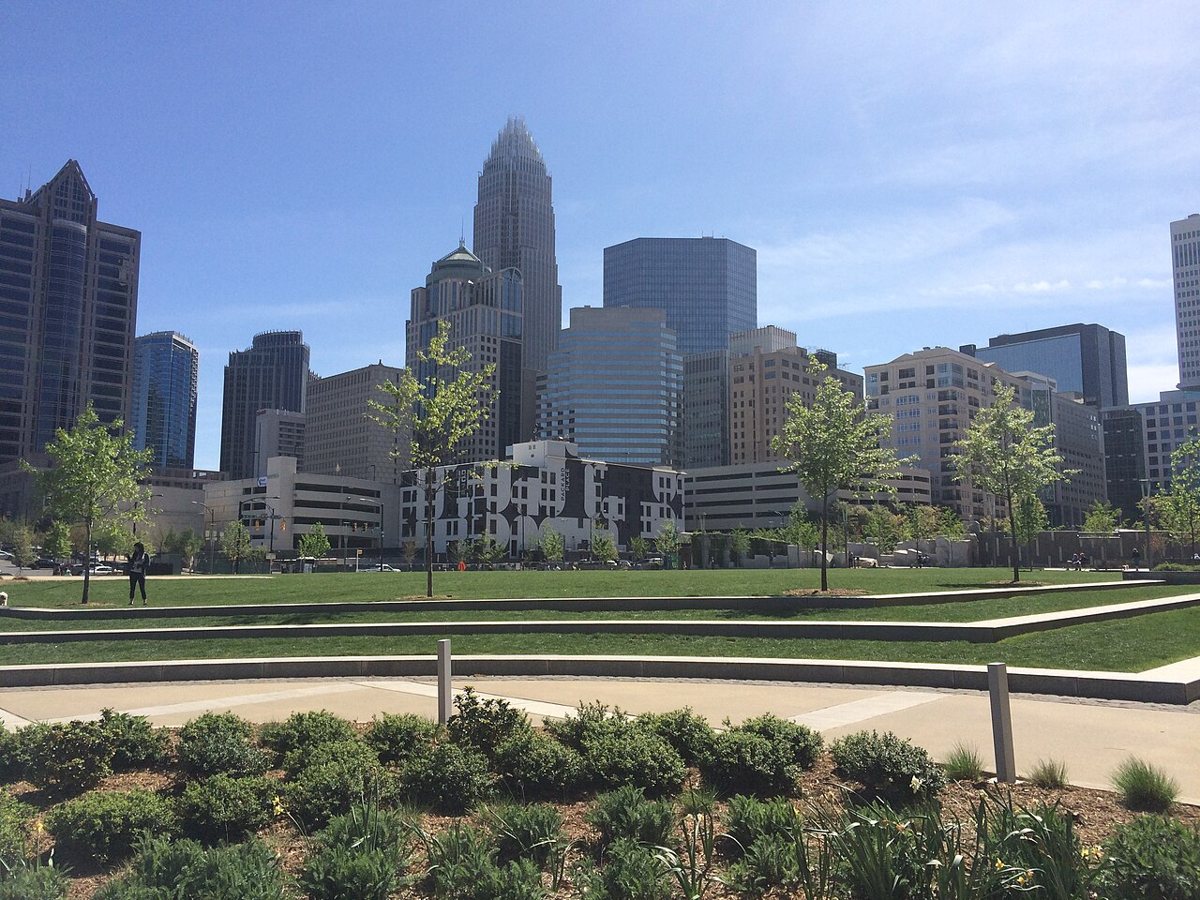
This is the green anchor of Uptown, a rolling lawn and terraced amphitheater a few blocks from the ballpark, named for the Charlotte-born collage artist whose work hangs in the Met and MoMA. It hosts free concerts some evenings and pickup soccer on open afternoons, but most days it is just office workers eating lunch on the grass and out-of-towners figuring out that Uptown has a skyline view worth sitting still for. Walk it at golden hour if you can, when the light hits the Bank of America and Duke Energy towers at an angle that makes the whole thing look staged. The insider move is treating it as a starting point rather than a destination, since it connects directly to the Rail Trail heading south. It sits right where Second Ward, one of Charlotte's historically Black neighborhoods, was cleared during urban renewal in the 1960s, a fact the park's design nods to but doesn't dwell on.

Discovery Place sits a few blocks north and reads as a kids' science museum from the outside, which undersells it. The hands-on exhibits and aquarium tanks are genuinely built for children, and so is the giant-screen theater, but the rotating exhibitions and the live animal encounters pull in a broader crowd than you would expect from the marquee. It is an easy call on a rainy afternoon or a hot July day when the Whitewater or the parks are unbearable. The insider tip is to go on a weekday morning if your schedule allows it, since weekend crowds with school groups can turn the main hall into a scrum. It is walkable from the Discovery Place area of Uptown and pairs naturally with a stop at Romare Bearden Park beforehand.
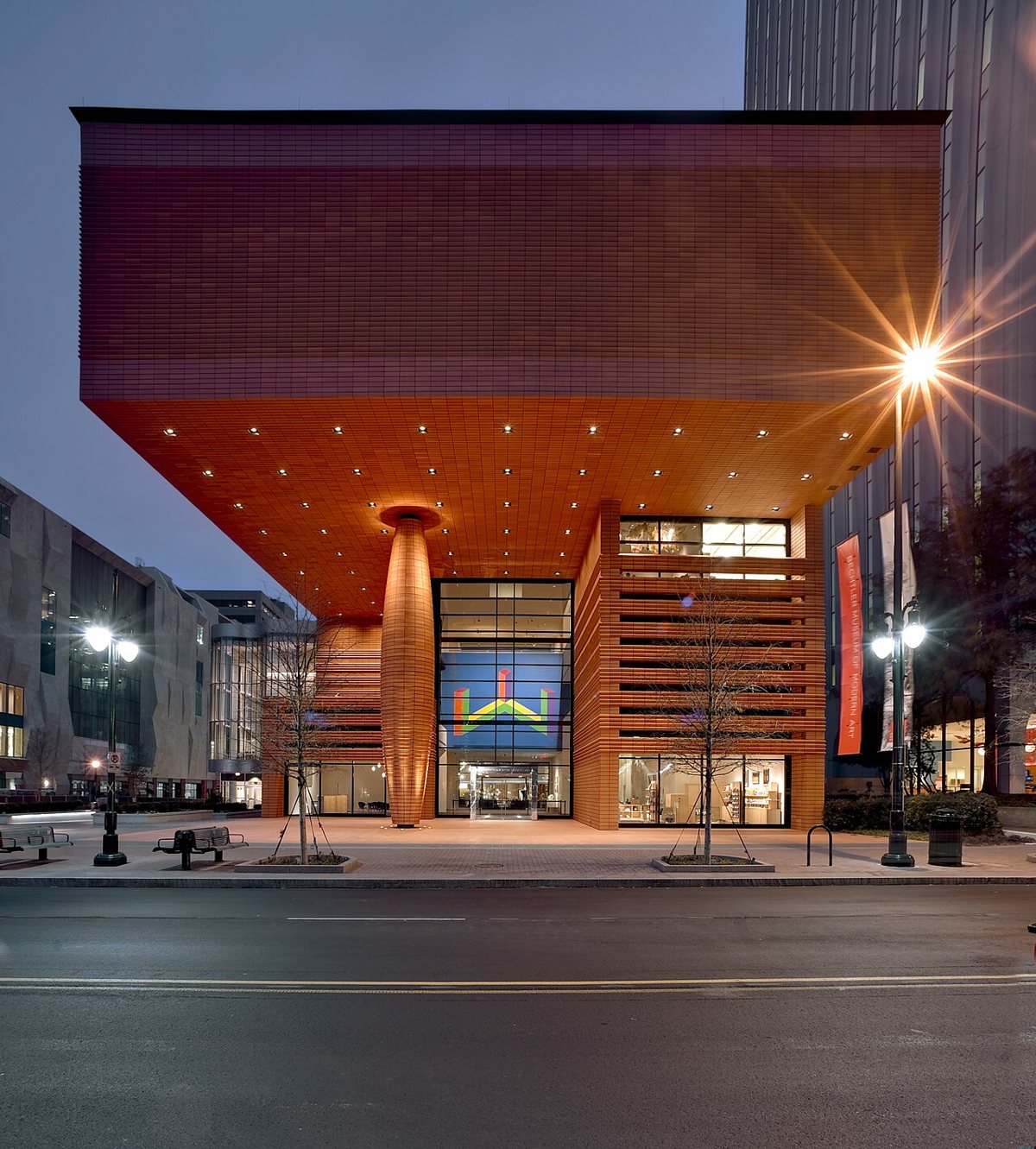
Charlotte's museum cluster, sometimes called the cultural campus, groups a few serious institutions within a short walk of each other. The Bechtler Museum of Modern Art is the standout for anyone who cares about twentieth-century art, built around the private collection of the Bechtler family and housed in a striking building with a facade that pulls light differently depending on the hour. It is small enough to see in an hour without feeling rushed, and the permanent collection includes work by Miró, Calder, and Giacometti that most people do not expect to find in North Carolina. Go slow through the upper floors, where the smaller rooms hold some of the collection's best surprises, and check the schedule for evening hours since the museum sometimes stays open later than a typical weekday closing.

Next door, the Harvey B. Gantt Center for African-American Arts + Culture carries a different kind of weight. Named for Charlotte's first Black mayor, the center holds rotating exhibitions alongside a permanent collection that includes work drawn from the Hewitt Collection of African American Art, and it programs film and music events alongside lecture series that make it feel like a working cultural institution rather than a static gallery. The architecture itself references the Jacob's Ladder quilt pattern, a detail easy to miss from the street but worth asking a docent about once inside. This is not a stop to rush, especially if a temporary exhibition happens to be running, and it rewards a visitor who reads the wall text rather than skimming past it.
A night at Spectrum Center for a Hornets game or Bank of America Stadium for the Panthers is its own category of Charlotte experience, less about the sport itself and more about watching a city that still argues, a little defensively, about whether it deserves major-league teams at all. Both venues sit close enough to the light rail and Uptown hotels that driving in is optional, and both draw a crowd that skews more social than diehard compared to bigger sports markets. If tickets are out of budget, the bars within a few blocks of either venue fill up on game nights and give you the atmosphere without the price of entry. The stadium itself sits on land that was industrial rail yard for most of the twentieth century, another example of the city building its present directly over its working-class past.
NoDa and Plaza Midwood, the Arts Side of the City
If Uptown is the Charlotte that shows up in relocation brochures, NoDa and Plaza Midwood are the Charlotte that longtime residents actually brag about. Both grew out of old mill villages, both nearly got demolished at different points in the city's history, and both survived because artists and small business owners moved in when nobody else wanted the buildings.
NoDa
North Davidson, universally shortened to NoDa, is the closest thing Charlotte has to a true arts district. Former mill houses and storefronts along North Davidson and 36th Street now hold independent galleries and live music venues, plus a concentration of murals that make the neighborhood a favorite backdrop for photographers. The gallery crawl on the first Friday of the month is the classic entry point, when spaces open their doors and the sidewalks fill with a mix of longtime residents and newcomers who moved to Charlotte specifically for a neighborhood like this. Beyond the crawl, NoDa's live music venues book touring indie acts one night and local jazz combos the next, and the neighborhood is one of the few in Charlotte genuinely walkable enough to hit a gallery and catch a show, then grab a late dinner, without moving your car. NoDa's gallery crawl is worth building an entire evening around rather than treating as a quick drive-through. The light rail's Blue Line runs directly to NoDa, which makes it one of the easiest neighborhoods in the city to visit without worrying about parking.

Camp North End sits a short drive or rideshare from NoDa proper, on a sprawling former industrial site that has held a Ford Model T plant, then a World War II era Quartermaster depot, then a Cold War-era missile manufacturing plant, before its current life as a redevelopment of shops, breweries, offices, and event space. The scale of it is the surprise. Some of the original buildings still carry visible signage and structural details from their industrial past, and the developers have largely left that texture alone rather than scrubbing it into something sanitized. Food trucks and rotating pop-up vendors cluster in the open lots most weekends, and it is one of the better spots in the city to feel the layered history without a museum plaque explaining it to you. Go on a weekend afternoon when more of the food and retail is actually open, since weekday visits can feel emptier than the site's ambition suggests.
Plaza Midwood
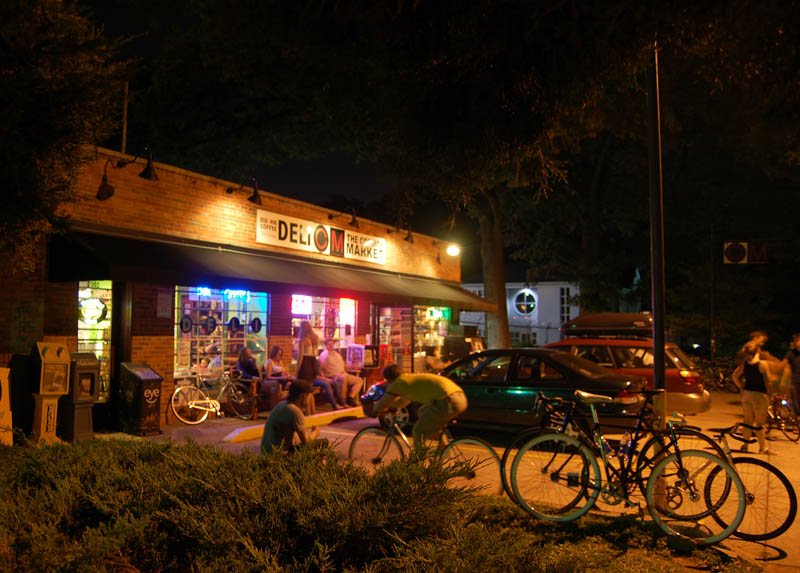
Plaza Midwood is the neighborhood locals point to when they want to prove Charlotte has an eccentric streak. Central Avenue through the heart of the neighborhood mixes vintage clothing stores, dive bars, tattoo shops, and some of the city's better independent restaurants in a stretch that has resisted the glossier redevelopment happening elsewhere. It reads as the city's most genuinely unusual block, in the best sense, the kind of place where a decades-old dive sits two doors down from a wine bar without either one feeling out of place. Spend an evening walking Central Avenue rather than driving it, since the neighborhood's character lives in its storefronts and patios more than anything you can see through a windshield. The insider tip is to skip the chains near the edges of the neighborhood and head for the independent spots clustered closer to the Central Avenue and Thomas Avenue intersection, where the density of genuinely local businesses is highest.

South End and the Line That Changed It
No neighborhood in Charlotte has transformed faster than South End, and the light rail is the reason why. What used to be a stretch of textile mills and warehouses south of Uptown is now the densest concentration of breweries, apartments, and rooftop bars in the city, built almost entirely along the Blue Line corridor.
South End's brewery row
The cluster of breweries along South End's industrial blocks, including Sycamore Brewing and NoDa Brewing's South End taproom among others, has become the closest thing Charlotte has to a built-in bar crawl. Most sit within walking distance of a light rail stop and each other, many with sizeable outdoor patios and food trucks parked outside on weekends. South End's brewery row draws a young, mostly local crowd on weekend afternoons, less a tourist attraction than a genuine slice of how a lot of Charlotte residents actually spend a Saturday. The insider move is starting early, since patios fill up fast once the light rail dumps a wave of riders in from Uptown and the neighborhoods further out. Pace yourself and treat it as an afternoon rather than a single stop, since the breweries are close enough together that walking between two or three is easy.
Charlotte Rail Trail
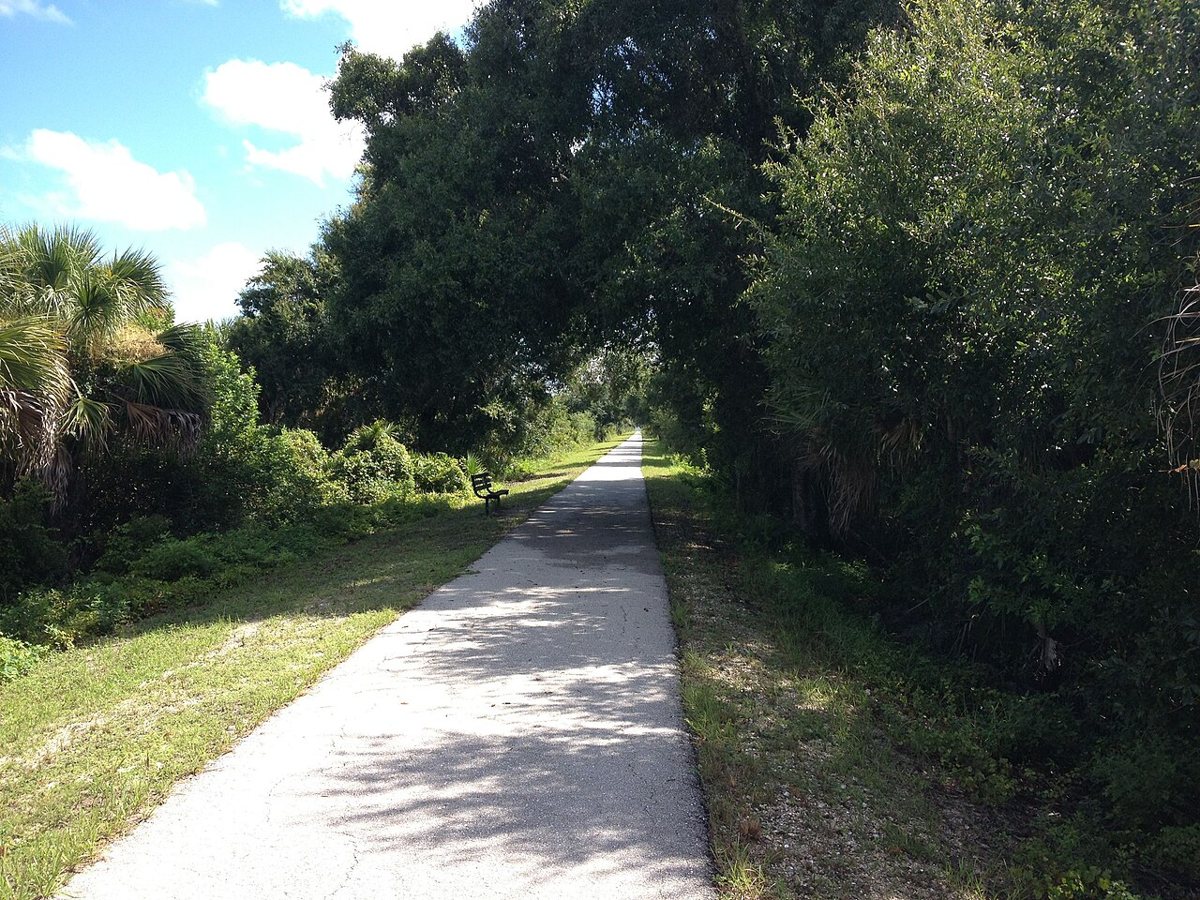
Running underneath and alongside the light rail tracks from South End up toward Uptown, the Rail Trail is a paved path lined with public art, murals, and small parks that has become one of the best free things to do in the city. Locals use it for running and biking, but a slow walk works just as well, especially with regular stops to look at the mural work commissioned along the route. It threads directly past the breweries in South End, which makes it easy to combine a workout with an afternoon of patio-hopping if that is the kind of morning-to-afternoon pivot you are after. Early morning is the best time to see it without crowds, when the light comes in low under the rail bridges and the path still belongs mostly to runners and dog walkers.

Green Space and Old Neighborhoods
Dilworth and Elizabeth are Charlotte's oldest streetcar suburbs, full of tree-lined blocks and craftsman bungalows that survived the decades when the city was busy knocking down almost everything else. The parks and gardens in and around these neighborhoods are where you see the city slow down.
Freedom Park
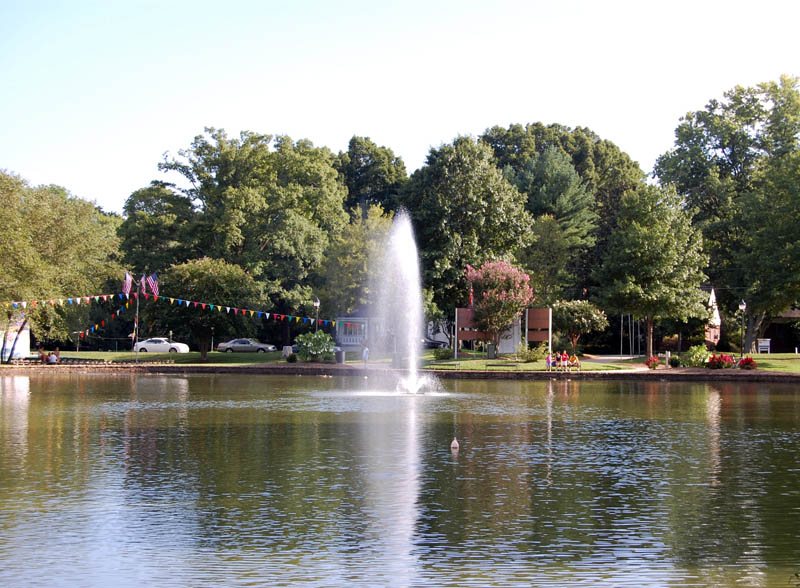
Freedom Park is Charlotte's most-used green space outside Uptown, a sprawling stretch of trails, a lake, ballfields, and open lawn that sits between Dilworth and Myers Park. Families come for the playground and the paddleboats on the lake, runners loop the perimeter trail, and on weekends the park hosts everything from small festivals to informal picnics that spill across the grass. It borders the Charlotte Nature Museum, an easy add-on for anyone visiting with kids. The insider tip is to park on the Dilworth side and walk in, since the main lot fills quickly on nice weekends, and to time a visit for a weekday evening if you want the lake without the festival-scale crowds that show up for scheduled events.

A few miles away in the Myers Park and Foxcroft area, Wing Haven is a small, quiet garden built around the former home of Elizabeth and Edwin Clarkson, who spent decades shaping the grounds into a bird sanctuary and formal garden hidden behind brick walls on an otherwise residential street. It is easy to drive past without noticing it exists, which is part of its appeal. Inside, stone paths wind past fountains and sculpture, with plantings chosen specifically to draw songbirds, and the whole property rarely holds more than a handful of visitors at once. Spring and early summer are the best windows, when the garden is at its fullest bloom. The nearby McGill Rose Garden, tucked into a different corner of the city near Uptown's east side, offers a similar kind of small-scale, deliberately maintained green space if Wing Haven's hours do not line up with your visit.

Beyond the Inner Loop
Charlotte's biggest outdoor draw and its best food market both sit a short drive from the neighborhoods above, and both are worth the trip even if it means renting a car or booking a rideshare.
U.S. National Whitewater Center
Known to almost everyone here simply as the Whitewater, this outdoor recreation center along the Catawba River holds a massive constructed whitewater channel used for rafting and kayaking, with paddleboarding on the calmer stretches, plus a network of ziplines, ropes courses, mountain bike trails, and hiking paths spread across the surrounding woods. It draws serious paddlers training on the rapids alongside families who just want to float the calmer sections, and the on-site brewery and outdoor patio turn a sweaty afternoon of activity into a proper hangout by early evening. Summer weekends get crowded, so a weekday visit or an early weekend start makes a real difference in how much of the facility you can enjoy without waiting in line. It sits well outside the urban core in southwest Charlotte, close enough to feel like a day trip but close enough to still be a normal Tuesday-after-work outing for a lot of locals.


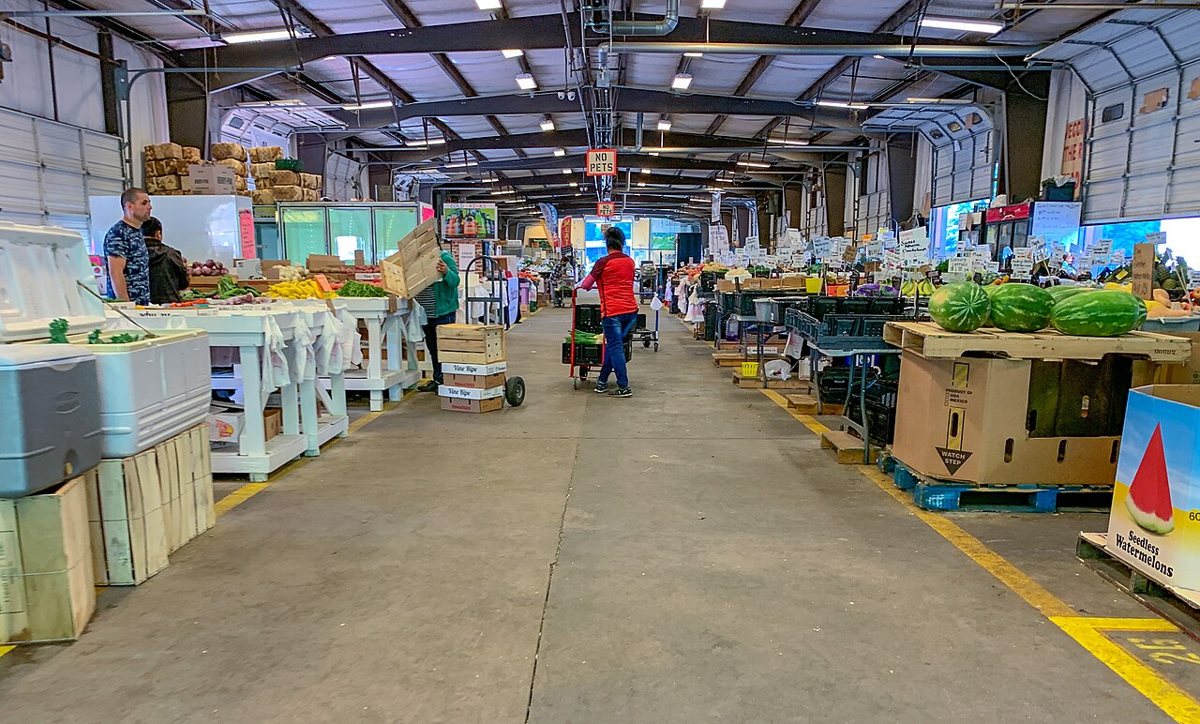
The Charlotte Regional Farmers Market, with its main location off South Boulevard, is where a lot of the city's best food culture actually starts. Local farmers and bakers sell alongside craftspeople most weekends, with produce, meat, plants, and prepared food filling the stalls, and it is one of the few spots in Charlotte where the region's agricultural roots are still front and center rather than buried under new development. Pimento cheese and boiled peanuts show up alongside barbecue done Piedmont, tomato-tinged style, in some form among the vendors, plus the flowers and produce that draw the bigger weekend crowds. Go early for the best selection, and bring cash since not every vendor runs a card reader. It rewards a slow, unhurried lap rather than a quick sweep through, especially if you want to actually talk to the people growing what you're buying.

Getting Around, Timing, and What's Free
The Lynx Blue Line light rail is the spine that makes a lot of this guide possible without a car, running from the far south suburbs through South End, Uptown, and up toward NoDa and the University area. Riding it end to end on a weekend afternoon is itself a decent way to see how different Charlotte's neighborhoods feel from each other in the span of thirty minutes.
- Weekday mornings are the quietest time to hit museums and gardens; weekends bring bigger crowds to breweries and markets, and the parks fill in too.
- Parking Uptown and in South End can be tight and metered; the light rail solves most of that problem if your stops line up with a station.
- Free or usually-free options include Romare Bearden Park, the Rail Trail, Freedom Park, a first Friday gallery walk through NoDa, and a slow lap of the farmers market without buying anything.
- Summer humidity is real; plan outdoor time like the Whitewater or Freedom Park for morning or early evening rather than midafternoon.
- Always check current hours before heading out, since museums and gardens in particular tend to shift seasonal schedules.
The Charlotte You're Actually Visiting
What ties all of this together is not banking, even though the money built the skyline that shows up in every postcard. It is a city that keeps building on top of itself, sometimes carelessly, occasionally with real care for what came before. The mill houses of NoDa survived because someone decided they were worth saving rather than flattening, and the missile plant at Camp North End became a coffee line instead of a parking deck. Even the rail yard south of Uptown ended up as a running path rather than another warehouse district. Charlotte is also a far less homogenous place than its old reputation suggests, with immigrant communities and international neighborhoods, particularly along the east side and in parts of University City, reshaping what counts as local food and local culture here every year. None of that fits neatly into a highlight reel of towers and stadiums. The real case for spending time here is watching a Southern banking town figure out, somewhat awkwardly and in real time, what kind of city it actually wants to become.