Best Italian in South End Worth the Trip
In a brewery district reinventing itself block by block, separating a serious Italian kitchen from a pretty patio takes about ten minutes and a few specific questions at the table.
The Rail Trail through South End on a Saturday afternoon is a scroll of patios, dogs on leashes, and the low rumble of a light rail train easing past brick that used to hold cotton, then textile scraps, then nothing at all. Somewhere in that scroll, usually behind a garage door propped open to the heat, a kitchen is turning out fresh pasta, and the question locals keep fielding from friends who just moved to Charlotte is where to find the best italian in south end that isn't simply riding the neighborhood's momentum.
That's a fair question, because South End has filled in fast. Warehouses that once stored auto parts and rail freight now hold breweries, coworking floors, and apartment lobbies with lobby dogs of their own. Italian restaurants have followed the same real estate logic as everything else here: high ceilings, exposed brick, patio seating angled toward foot traffic off the trail. Some of those kitchens are doing serious work. Others are decorating a concept with red sauce because red sauce photographs well next to a spritz. Telling the difference doesn't take long if you know what to look for.
What Actually Signals the Best Italian in South End
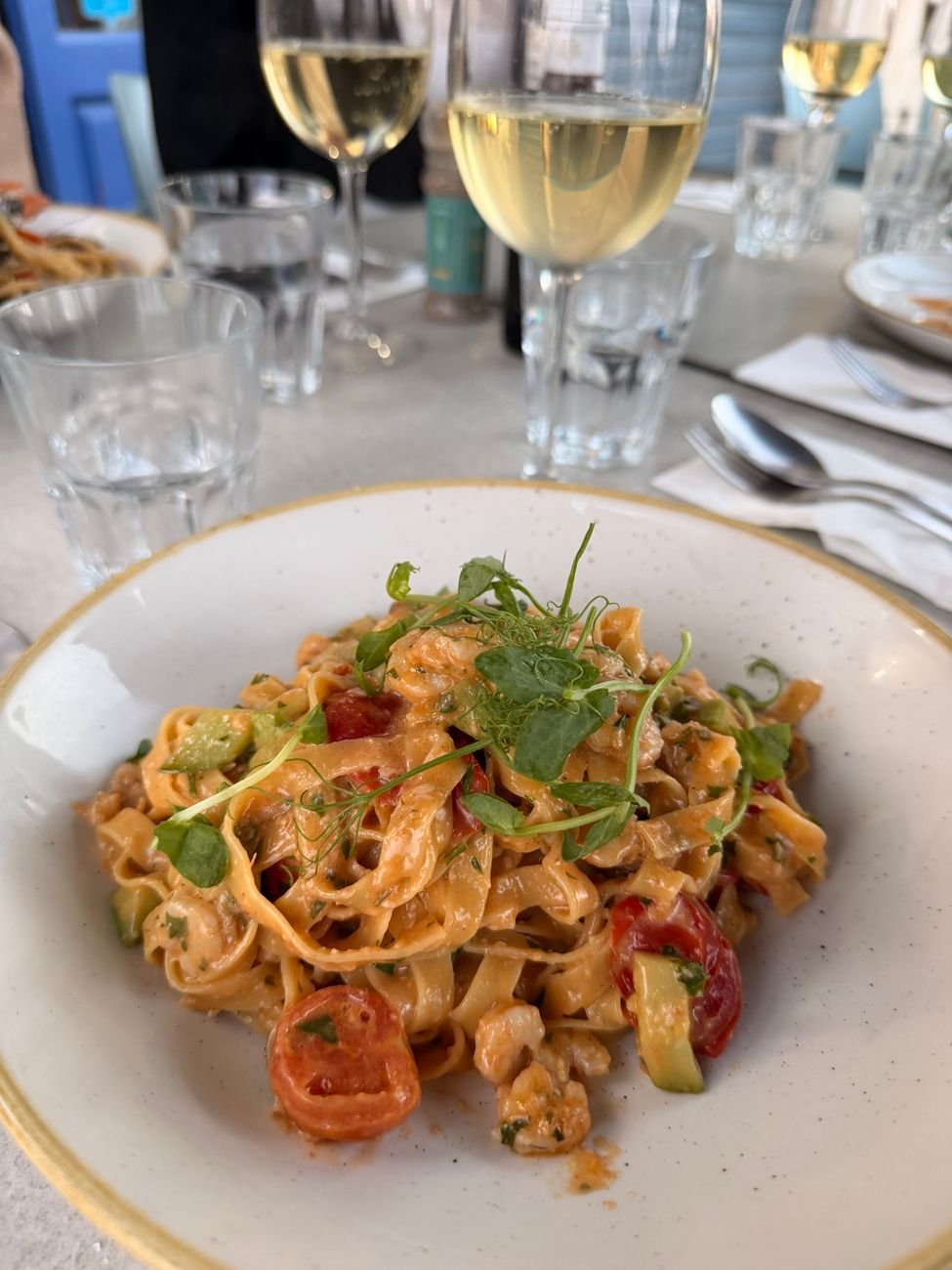
Start with the pasta itself, not the sauce sitting on top of it. House-made pasta has a slightly rough, matte surface that grabs sauce instead of shedding it; the extruded, dried version off a shelf looks glossier and slicker under the same amount of oil. Ask whether the pasta is made in house. A kitchen proud of that work will say so plainly on the menu, and the shapes will make sense with what they're paired with: something ridged for a chunky ragu, something delicate for a butter-and-sage sauce that would drown a heartier noodle.
Then look at the sauce itself, especially anything tomato-based. Piedmont North Carolina has trained a lot of local palates on tomato-tinged barbecue sauce, which is a different animal entirely, but the same instinct applies: balance matters more than sweetness. A red sauce that tastes like ketchup with basil floating in it is cutting corners, usually with canned tomatoes that never got enough time on the stove. A sauce that tastes bright, slightly acidic, and only lightly sweet from the tomatoes themselves is doing the work the old way.
Order like you're testing the kitchen
- A plain pasta dish, like cacio e pepe or aglio e olio, has nowhere to hide. A kitchen that nails a dish built from four ingredients is probably not getting the rest of the menu right by accident.
- Bread and olive oil service tells you how much a restaurant cares about small things. Stale bread or bottled oil with no real flavor is worth noting before the entrees even arrive.
- Check the wine list. A South End Italian spot built entirely around big, familiar names and nothing from Piedmont, Puglia, or Sicily is telling you the wine program is decorative rather than considered.
Reading the room, not just the menu
South End rewards restaurants that lean into patio culture, and there's nothing wrong with a place built for people walking off the train or in from a brewery crawl. Still, watch for menus that seem designed around a camera angle rather than a kitchen. Burrata shows up on nearly everything because it photographs beautifully and requires no real cooking skill; that doesn't make it bad, but a restaurant leaning on burrata, truffle oil, and little else to signal Italian is usually coasting on the district's foot traffic rather than earning it.
Portion size and pricing can mislead newcomers to the city. A restaurant charging premium prices doesn't automatically mean premium cooking, especially in a district where rents have climbed as fast as South End's have. Compare the price of something simple, like a margherita pizza or a plate of spaghetti pomodoro, against what the kitchen is actually doing with it. If the dish is expensive and unremarkable, that's the neighborhood's growth showing up on the check, not the cooking.
Craft Versus Hype Along the Rail Trail
The clearest tell is what happens on a slow Tuesday. A restaurant coasting on South End's foot traffic tends to feel identical every night, packed on weekends and forgettable midweek, with a kitchen built for volume rather than technique. A kitchen doing real work tends to hold its standards on a quiet night too, because the cooking was never dependent on the crowd outside.
Service style is another clue. Servers who can describe where the pasta is made, what region a dish draws from, or why a sauce leans on a particular cheese are usually working somewhere that trains staff on the food, not just the patio turnover schedule. If nobody behind the counter can answer a basic question about the menu, the kitchen probably isn't asking itself many questions either.
None of this means South End can't support serious Italian food. It has plenty of the raw material: a dense, walkable footprint, a light rail line that brings in steady weekday lunch traffic, and a population of young professionals with real disposable income and increasingly wide-ranging palates. Charlotte has grown more diverse by the year, and that shows up in what people expect from a plate of pasta now compared to a decade ago. The demand for the real thing exists here. It's just surrounded by a lot of restaurants counting on nobody checking.
For a wider sense of what else is worth trying nearby, Charlotte's newer restaurants cover the district's other food beyond Italian, and for planning a full evening out, date night ideas around Charlotte cover pairing dinner with the rest of the Rail Trail.
The honest way to find good Italian in South End is the same way you'd find it anywhere. Order something simple first, notice whether the kitchen sweats the small stuff, and pay attention on a night when the patio isn't packed. The neighborhood will keep building around whatever restaurant you pick. Whether the food holds up regardless of the construction next door is the only rating that matters.