Best Italian Restaurants in Noda Worth the Trip
NoDa's gallery walls and live-music energy set a particular expectation, and here's how the neighborhood's Italian spots measure up before you go.
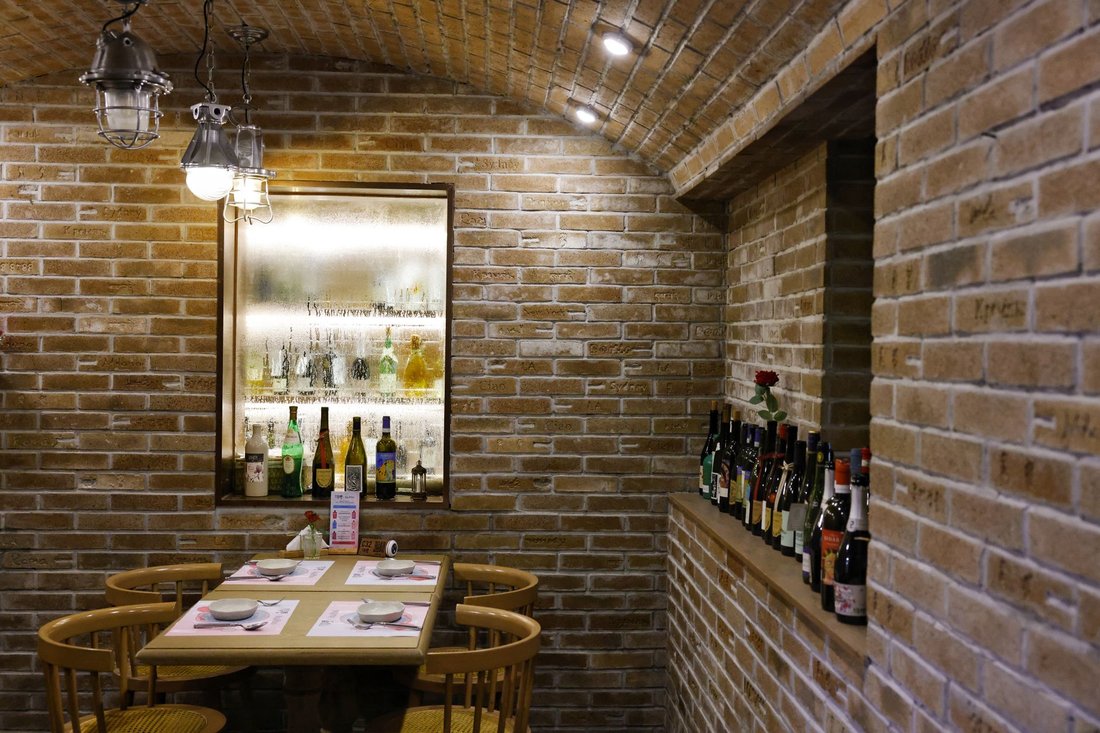
On a Thursday night in NoDa, the light rail drops you at 36th Street and you walk past a muralist finishing a wall and a band sound-checking through an open door before you've even decided where to eat. That's the neighborhood in miniature: creative, a little loud, genuinely communal. It also sets the table, so to speak, for how Italian food works here. The best italian restaurants in noda don't feel like they were parachuted in from a corporate portfolio. The ones worth your time have absorbed something from the block: the willingness to take a swing, the tolerance for informality, the expectation that a meal should be an experience rather than a transaction.
What Makes the Best Italian Restaurants in NoDa Different From the Rest of Charlotte
Charlotte's Italian dining scene has matured considerably over the past decade. South End has its share of upscale trattorias riding the brewery-and-condo wave. Dilworth has the neighborhood red-sauce spots that have been there long enough to count as institutions. But NoDa operates by different rules. Rents, at least historically, have been lower than South End, which has allowed smaller operators to take risks. The arts-district clientele, regulars who walk to dinner, who linger, who notice whether the room has genuine character, keeps restaurants honest in a way that suburban foot traffic doesn't.
The result is that Italian in NoDa tends to skew independent and specific. You're more likely to find a chef with a defined point of view than a menu designed to offend no one. That's not universally true, and not every spot earns the neighborhood's reputation. But when it works, it works because the operator understood where they were opening.
How to Read an Italian Menu in an Arts District
Before getting into specific guidance, it's worth knowing what to look for regardless of which restaurant you're in. Handmade pasta is the most reliable signal of kitchen seriousness. Fresh pasta cooks differently from dried; it should have a slight give, a texture that holds sauce rather than drowning in it. If a menu distinguishes between pasta fatta in casa and standard dried options, that's a kitchen telling you where its priorities are. Order the fresh stuff.
Watch the sauce-to-pasta ratio next. Italian cooking at its best is restrained. A dish swimming in cream or buried under cheese is usually compensating for something. The best versions let one or two flavors lead. A cacio e pepe should taste like pepper and aged cheese, not like a bechamel accident. A simple pomodoro should taste like tomatoes that were worth buying. In a neighborhood where the visual arts are taken seriously, the parallel holds: edit down to what matters.
In a neighborhood that draws creative professionals and nightlife crowds, the bar program is its own tell. A genuinely good Italian restaurant these days is doing something thoughtful with Negronis, Aperol, and amaro, not just because Italian spirits are fashionable, but because bittersweet, low-ABV drinking pairs naturally with food that's built around acid and fat. If the cocktail list is an afterthought, take note.
The Light Rail Factor
NoDa's light-rail access changes the calculus on a restaurant visit in ways that still feel slightly novel for a city with Charlotte's car-dependent history. Getting off at 36th Street or 25th Street means you can have a full dinner with a bottle of wine and not negotiate with a parking deck or a rideshare surge. For Italian dining specifically, this matters: Italian meals are designed for time and for drinking, and the light rail removes the friction that makes lingering feel irresponsible. Plan accordingly. Come on the early side of dinner service if you want a table without a long wait, but don't rush out. The neighborhood rewards the long evening.
The broader NoDa restaurant scene has benefited from this infrastructure in ways that are still playing out. Foot traffic from light-rail riders has supported a density of dining options that wouldn't have existed a decade ago, and Italian has followed that growth.
What to Order, Generally
A few categories to prioritize when you sit down at any credible Italian spot in the neighborhood:
- Antipasti that are actually seasonal. Burrata has become a menu cliché, but a kitchen sourcing good local produce, even through the Charlotte Regional Farmers Market a few miles south, will change what's on the plate depending on the time of year. If the antipasti list looks identical in February and August, that's a kitchen not paying attention.
- Risotto, if it's offered. It's one of the most technically demanding dishes in Italian cooking and one of the easiest to do badly. A risotto that arrives quickly was almost certainly not made to order. The twenty-minute wait is a good sign.
- House-made desserts over purchased. Tiramisu and panna cotta are standard enough that many restaurants source them. A kitchen that makes its own, especially with local cream or seasonal fruit worked in, is a kitchen that cares about the whole meal.
Skip the Caesar salad at any Italian restaurant. It isn't Italian, it fills you up, and you came for the pasta.
The Honest Case for NoDa Italian
The neighborhood's evolution has not been painless. Long-timers who watched NoDa transform from a scrappy mill district into a light-rail destination with cocktail bars and waiting lists know what was there before: the raw spaces, the artist studios paying below-market rent, the dive bars that didn't care what you were wearing. Some of that texture has been lost, and some Italian restaurants in NoDa, frankly, are riding the neighborhood's reputation more than contributing to it. The best italian restaurants in noda are the ones that feel continuous with the neighborhood's actual character: independent, specific, willing to make a choice and commit to it.
That's what an arts district should demand of its restaurants. A painting that's trying to please everyone isn't doing anything. Neither is a menu. Find the place that has a point of view, settle in after the light rail drops you off, and let the evening go long. Charlotte does this well when it lets itself.