Best New Restaurants in Charlotte You'll Actually Love
A local's field guide to Charlotte's fastest-changing restaurant scene, from South End's brewery row to NoDa's storefront kitchens, and how to tell a real opening from a two-week hype cycle.
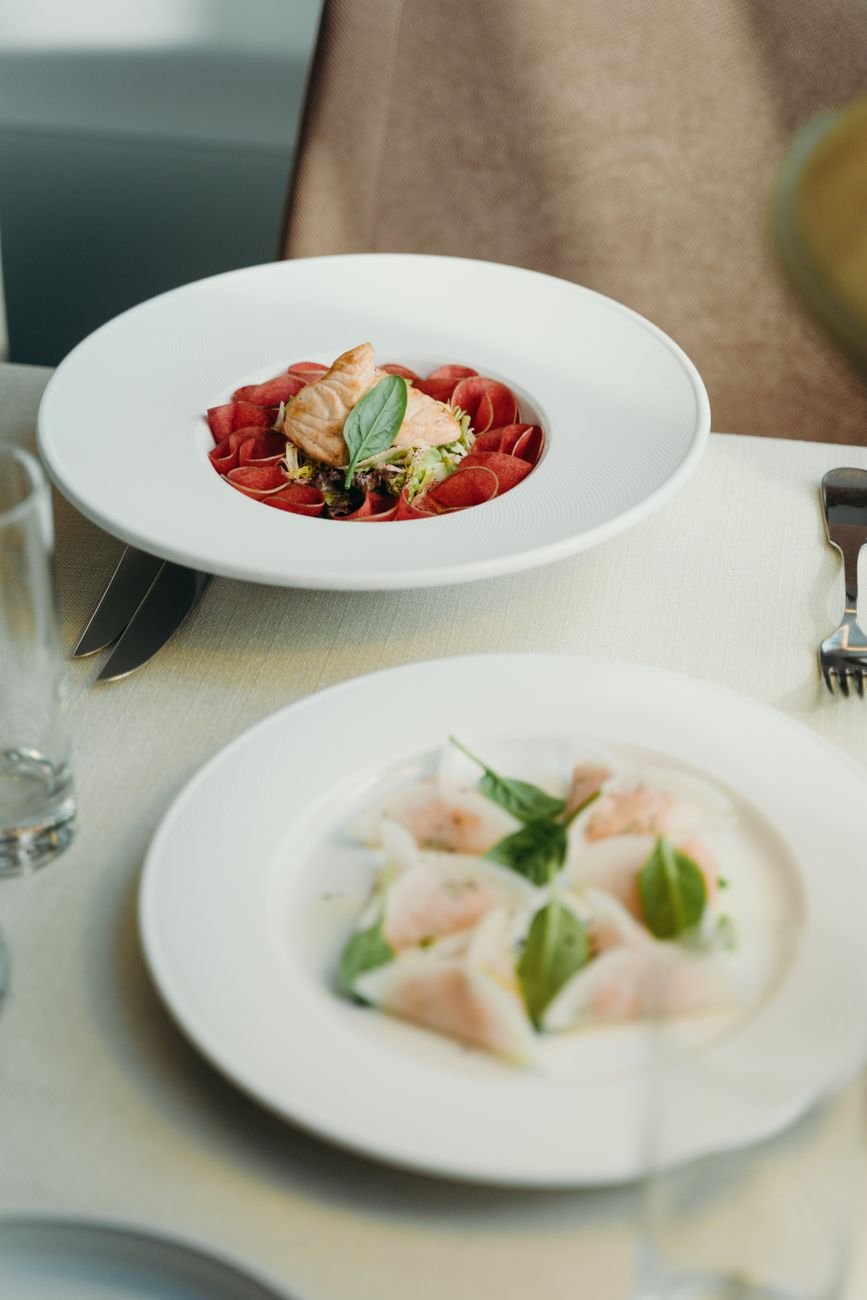
The light rail platform at 36th Street fills up on a Friday night now in a way it didn't five years ago, not with commuters but with people walking past the auto body shops and the old warehouse doors of NoDa toward whatever opened two blocks over. That's the real story of eating out here right now: growth moving faster than any single list can track it. Finding the best new restaurants in Charlotte has stopped being about waiting for a magazine countdown and started being about learning to read a block before it gets loud.
Why the best new restaurants in Charlotte rarely stay secret for long
Charlotte is a city that fills space quickly. A former auto shop becomes a wine bar. A stretch of industrial warehouses becomes a food hall. What used to take a decade of slow build-out in an older Southern city now happens in a couple of years, and the dining scene has followed the same accelerated timeline as the skyline. The pace here is a gift and a trap. It means new openings arrive constantly, but it also means hype outruns quality more often than locals would like to admit. The trick isn't finding a new restaurant. It's finding one that's actually good.
Start with where the money and the cooks are actually going
Three areas do the heaviest lifting in any serious search for new places to eat.
- South End, where brewery row anchors a corridor that keeps adding kitchens alongside the breweries, and where the light rail makes it easy to hop from one block to the next without worrying about parking.
- NoDa, the arts district north of downtown, where gallery openings and live music venues sit next to newer kitchens experimenting in small storefronts that used to be studios or auto repair bays.
- Optimist Hall, the food hall model that proved out here and has since shaped how a lot of operators think about testing a concept before committing to a full standalone build.
NoDa and South End's brewery row both reward showing up on foot rather than driving in, parking once, and leaving. The neighborhoods were built for wandering, and the restaurants that do best there are the ones designed for people who are already walking past.
How to tell a real opening from a hype cycle
A restaurant that's actually worth the trip usually shows a few consistent signs, regardless of cuisine or price point.
- The menu is short and specific rather than trying to cover every base. A kitchen that commits to doing five or six dishes exceptionally well is telling you something different than one padding a menu to please everyone.
- The staff can talk about the food without reading off a script. Ask a server what they'd order and watch whether the answer sounds rehearsed or personal.
- The crowd on a random Tuesday looks like the neighborhood, not just an opening-week rush pulled in by a single social post. Anyone can fill a room the first two weeks. Filling it in month three is the real test.
- Reservations or wait times settle into a predictable pattern instead of swinging wildly, which usually means word of mouth has taken over from marketing.
Charlotte diners have gotten sharper about this in the last few years, partly because they've been burned by openings that generated a lot of noise and closed within a year. A place with a line out the door in its first month tells you almost nothing. A place that still has one eight months later is worth trusting.
Trends that are genuinely reshaping how Charlotte eats
A handful of shifts here are real, not manufactured for a headline.
- Piedmont-style barbecue, the tomato-tinged sauce tradition specific to this part of North Carolina, keeps showing up in new and sometimes unexpected combinations rather than staying confined to standalone barbecue joints.
- Brunch culture remains a genuine local institution rather than an imported trend, and new kitchens across Charlotte's brunch scene treat the weekend morning meal as seriously as dinner service.
- Pimento cheese shows up as a starting point rather than a punchline, worked into dishes well outside its traditional appetizer role.
- Food halls have normalized lower-risk entry points for chefs who want to test a concept before signing a long lease, which is part of why the pace of new openings has stayed so fast even as commercial rents have climbed.
None of this means every new opening is chasing a trend. Some of the most interesting kitchens right now are quietly doing one cuisine very well without any of the above, which loops back to the point about short menus and specific ambition.
What to order once you're in the door
Across styles, a few ordering habits will serve you well anywhere new in this city.
- At a barbecue-adjacent spot, ask what's smoked in-house that day rather than defaulting to the most familiar cut. Piedmont sauce is meant to be tasted on its own terms, not buried under a heavier style you already know.
- In a brewery-adjacent kitchen in South End, order something meant to be shared over a couple of pints rather than a full plated entree. The kitchen's energy usually goes there.
- Food hall stalls reward a direct question: ask the person behind the counter what they'd get for themselves. Stalls survive on repeat customers from people who work nearby, and that's who the real answer is calibrated for.
- For anything new in NoDa or Plaza Midwood, expect a chef with a point of view and order the dish that sounds slightly unfamiliar. Those neighborhoods have built their reputation on kitchens willing to take a swing.
Let the light rail do the planning for you
One advantage Charlotte has over plenty of Southern cities its size is a light rail line that actually connects the neighborhoods worth eating in. A single afternoon can move from South End's brewery corridor through Uptown and out toward NoDa without needing a car, a designated driver, or a parking strategy. It matters more than it sounds. It means restaurant-hopping here isn't a logistics project, it's just an afternoon plan, and it's part of why new openings along the rail corridor tend to build momentum faster than ones tucked into car-dependent suburban centers.
The takeaway
The best new restaurants in Charlotte aren't hiding, but they also aren't handed to you by a single list that stays accurate for more than a few months. Watch South End, NoDa, and the food hall model at places like Optimist Hall, judge an opening by whether it's still full on a slow weeknight rather than opening weekend, and use the rail line to turn a search into an afternoon instead of an errand. The city is adding kitchens faster than it's adding almost anything else right now, and the reward for paying attention is getting to the good ones before everyone else does.