Best Italian Restaurants in South End Worth the Trip
South End's Italian scene is new, polished, and patio-heavy. Here's how to separate the kitchens with real technique from the ones just selling the room.
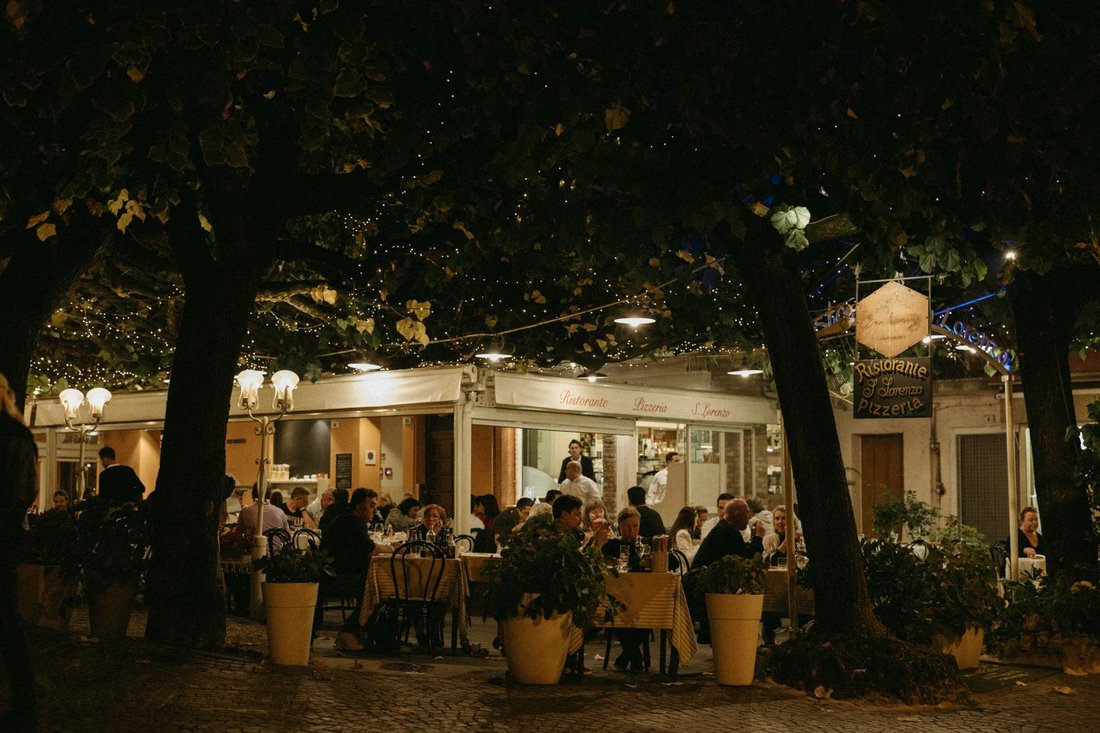
Six o'clock on a Thursday along the Rail Trail, and patio tables outside South End's newer Italian spots fill before the light rail chimes for its next stop. Someone's ordering a negroni instead of a local IPA. A server carries out a board of soppressata and marinated olives past a mural that used to be a loading dock. This is what eating Italian in South End looks like now: design-forward rooms, wine lists heavier on Piedmont than Chianti-in-a-basket, a crowd that came from a condo tower rather than three generations of family recipes. Sorting the best Italian restaurants in South End from the rooms that just look the part is the real work of eating well here.
What separates the best Italian restaurants in South End from the scene around them
South End didn't inherit its Italian food from a grandmother running a corner kitchen for forty years, the way parts of Elizabeth or Dilworth did. It got its restaurants from developers converting old warehouse and rail buildings into ground-floor retail, then filling them with concepts built for a crowd with disposable income and a taste for what photographs well before it's tasted at all. That's not automatically a knock. Some of the district's kitchens are staffed by cooks who trained properly and treat pasta as a craft, not a menu category. Others lean on the patio, the string lights, and a pricey cacio e pepe to do the work that technique should be doing. The honest read on South End Italian: the good version of it is genuinely good, with handmade pasta, real amaro and Italian wine programs, kitchens that cure their own meats and make their own stock. You just have to know what you're looking at before the room convinces you otherwise.
How to tell a serious kitchen from a good-looking one
- Check whether the pasta shapes change with what they're sauced with. A kitchen serving one noodle in six different sauces is not making it fresh in house.
- Taste the tomato dishes. Good tinned San Marzanos taste bright and a little sweet. A flat, one-note marinara usually means bulk product.
- Read the wine list past the first page. A restaurant stocking actual Italian regional bottles, not just a token Chianti and a Pinot Grigio, is signaling it cares about the whole meal.
- Watch the pacing. Handmade pasta takes a few extra minutes to cook to order. If your dish lands in ninety seconds, it was sitting under a heat lamp.
- Notice the bread and the butter. Kitchens that bother with good olive oil or cultured butter at the table tend to bother everywhere else too.
What to order well in South End
Start with something from the antipasti board instead of skipping straight to pasta. South End kitchens tend to do the aperitivo hour better than the entree list, and a plate of cured meats and marinated vegetables with a glass of something sparkling is the most honest version of the neighborhood's Italian food you'll find. For pasta, order whatever the kitchen makes fresh that day rather than the dish with the most social traffic. A carbonara or cacio e pepe done properly, with real guanciale or pecorino and no cream shortcut, says more about a kitchen's standards than a flashy truffle special ever will. Skip the oversized shareable entrees built for a table of six celebrating something. They're usually the weakest thing on the menu, built for spectacle rather than flavor.
Reservations, parking, and getting there
South End restaurants book up on weekend nights well before the dinner rush starts, especially anywhere with rail-facing patio seating, so reserve a few days out if you have a specific place in mind. Walk-in bar seats are your best fallback on a busy night. Parking is the district's real weakness. Street spots disappear early, and the surface lots near the breweries fill with the same crowd heading to dinner after a flight of beer. The light rail is genuinely the better option if you're coming from Uptown, NoDa, or anywhere else along the Blue Line. Several stops drop you within a couple of blocks of the main restaurant cluster, and it skips the parking hunt entirely. If you're driving in from outside the city, park once and walk the corridor rather than moving your car between stops.
When South End is worth the trip, and when it isn't
Go to South End when you want a polished room, a strong wine or cocktail list, a patio, and pasta made with real technique in a setting built for a night out rather than a family dinner. It works for a first date, a client dinner, or a Saturday that starts at a brewery and ends over a plate of pasta. It's the wrong neighborhood if you're chasing slow-simmered, old-school red-sauce cooking, the kind that built reputations in other corners of the city long before South End had condos. For a broader sense of where the city's Italian cooking is strongest outside South End, it's worth comparing notes across neighborhoods before deciding where to book a table. And on nights when South End's dinner scene doesn't deliver, the district still earns its keep for weekend brunch, where the same patios and design-forward rooms tend to be a steadier bet.
The takeaway: South End's Italian food is genuinely worth seeking out, but the neighborhood rewards a little skepticism. Order like someone paying attention to the pasta and the wine list, not the string lights, and the best rooms in the district will earn the trip. The rest are just good scenery.