Best Italian Restaurants in Charlotte Worth the Trip
Charlotte's Italian dining scene has grown up alongside the city itself. Here's how to find the spots worth your Thursday night.
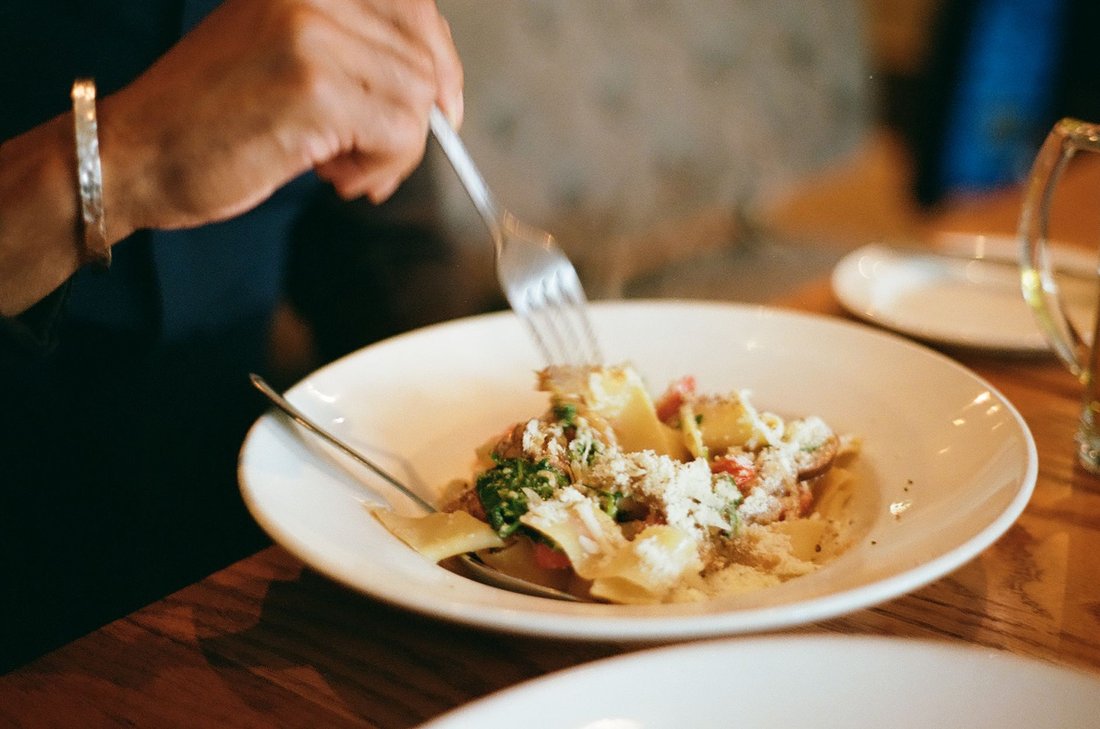
The bread basket arrives before you've settled into your seat, and if it comes with olive oil that tastes like something more than vegetable oil with ambition, you're already in better hands than most. That's the quiet tell of a serious Italian kitchen in Charlotte, not the red-checked tablecloth, not the Sinatra piped through the speakers, not the mural of the Amalfi Coast above the bar. It's the small things done with care, the pasta that clings to sauce because someone timed it right, the wood-fired crust that holds its shape for three bites before softening. Sorting out the best italian restaurants in charlotte starts with noticing those details.
Tracking down the spots worth your Thursday night takes a little patience and a willingness to look past the obvious. The city's restaurant landscape has expanded fast over the past decade. Corporate relocations brought in tens of thousands of new residents with money, opinions, and an appetite for something better than a chain Bolognese. Italian food followed that growth, and not always in the direction you'd expect.
What the Best Italian Restaurants in Charlotte Have in Common
Good Italian cooking anywhere comes down to a short list of non-negotiables: house-made or carefully sourced pasta, sauces that don't lean on sugar to compensate for underdeveloped flavor, proteins that aren't an afterthought, and someone in the kitchen who can talk to you about where the flour came from. In Charlotte, the spots that clear that bar tend to be owner-operated, smaller than they look from the outside, and planted in neighborhoods where rent hasn't yet priced out the kind of risk-taking that makes a restaurant interesting.
South End gets the most foot traffic these days, especially on weekends when the light rail fills with people cycling between breweries. It's become a predictable neighborhood for predictable restaurant concepts, high-volume, designed for Instagram, built to serve three hundred covers on a Saturday. That's not where you find nuance. The better Italian spots in Charlotte tend to show up in Elizabeth, Plaza Midwood, and pockets of uptown's Fourth Ward, where the clientele expects more and tolerates less.
Plaza Midwood's eccentricity is genuine. The neighborhood has resisted full gentrification longer than South End, and its restaurants reflect that, with more independent operators and more willingness to do something odd with the menu. For Italian food specifically, that translates to menus that wander toward regional specificity: cacio e pepe made with actual technique, not just Parmesan and black pepper stirred into cream; branzino preparations that aren't buried in butter; cocktail programs built around Aperol and Campari rather than a house mojito with a flag in it.
How Charlotte's Growth Changed the Italian Dining Scene
Ten years ago, the shorthand for Italian in Charlotte meant old-school red-sauce joints that opened in the 1980s and never saw a reason to change the menu. Some of those still exist, and a few are genuinely beloved. There's something to be said for a kitchen that has spent thirty years perfecting its chicken Marsala. But the wave of transplants from the Northeast and Midwest brought with them a frame of reference for what Italian cooking could be, and restaurants started responding.
The result is a split scene. On one side, the legacy spots that anchor family dinners and anniversary nights for longtime residents. On the other, a newer generation of restaurants that treat pasta as a serious craft: fresh sheets rolled in-house, shapes matched to sauces for a reason, menus that rotate with season and availability rather than laminating the same thirty dishes for a decade. The Charlotte Regional Farmers Market has played a quiet role here. Chefs who shop there talk to each other, and local sourcing has become a genuine point of pride rather than a marketing bullet point.
Dilworth is worth a separate mention. The neighborhood's tree-lined streets and craftsman bungalows attract a professional crowd with disposable income and low tolerance for mediocrity. Restaurants there tend to stay open longer and hold higher standards than spots in higher-traffic corridors, because the neighborhood regulars keep them accountable in ways that tourist traffic never does. If you find an Italian spot in Dilworth with a short menu and a chalkboard specials board, that's usually a good sign.
What to Order (and What to Skip)
Across the better Italian kitchens in Charlotte, fresh pasta is the clearest signal of intent. A restaurant willing to invest in the labor of making pasta in-house is telling you something about its priorities. Risotto is another useful test. It's time-intensive, easy to fake with cream, and genuinely difficult to execute under service pressure. A kitchen that gets risotto right usually gets most things right.
Wood-fired or coal-fired pizza deserves its own category. Charlotte has developed a real appreciation for Neapolitan-style pies that are thin, blistered, lightly charred, and wet in the center in a way that requires you to eat them immediately or accept what they become. The best versions use 00 flour and good canned tomatoes without apology about the price. If the pizza menu lists toppings by the dozen, you're probably not in a Neapolitan house. That's fine, there's a place for New York-style slices, but know what you're ordering.
Skip the Caesar salad at an Italian restaurant. It has nothing to do with Italian cooking, it's almost always mediocre, and ordering it tells the kitchen you're not paying attention. Order the antipasti, ask about the daily pasta, and if there's a pork preparation on the menu that mentions a specific regional origin, pay attention to it. The Charlotte kitchens that do regional specificity well are signaling that someone back there cares about the geography of the food, not just the category.
One more thing worth saying, because it matters for planning: Charlotte's Italian restaurants are filling faster on weeknights than they did even three years ago. The city's population growth has outpaced restaurant supply in a way that makes reservations less optional than they used to be. Make them. Show up on time. The kitchens doing the serious work are running lean, and they notice. For more of the city's dining landscape, see where to spend a long brunch in Dilworth or Plaza Midwood or browse the broader Charlotte dining guide for neighborhood-by-neighborhood breakdowns. The Italian scene is one thread in a much larger conversation this city is having with itself about what kind of food town it wants to become.