Summer Things to Do in Charlotte for 2026
A neighborhood-by-neighborhood field guide to getting through a Charlotte summer: where the water is, where the shade is, and where to be when the heat finally lets go.
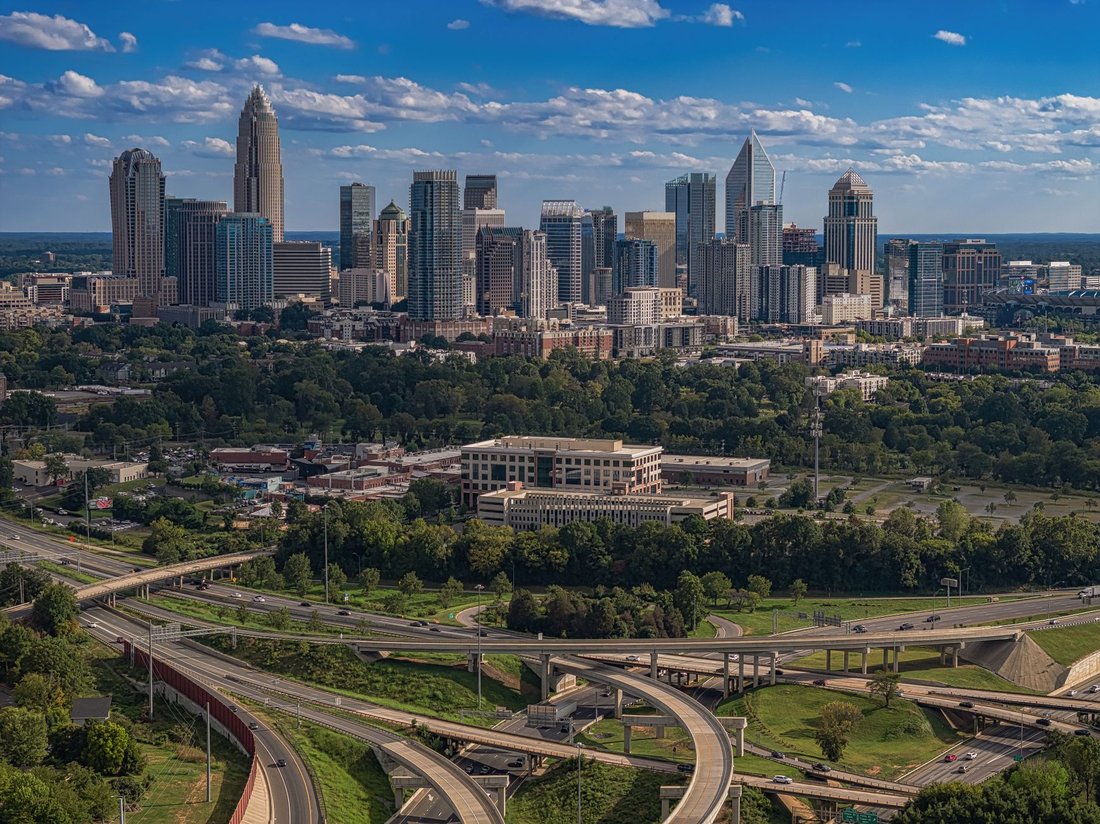
By seven on a July morning, the heat in Charlotte has already made up its mind. Cicadas are loud in the oaks along the greenway and early light is sliding across the Uptown towers. A line of paddlers carries boats toward the water on the west side of town while a runner nods past a dog walker on the Rail Trail. This is the city at its most honest: sticky and green, crowded with new arrivals and old-timers alike, and a lot more fun than the relocation brochures let on. For anyone building a list of summer things to do in Charlotte, the secret is to plan around the thermometer. Water and shade come in the morning and something air-conditioned at midday, then patios and porches, or a ballpark seat, once the sun drops behind the skyline.
I have lived in a NoDa bungalow long enough to know that a Charlotte summer is not one season but three. The early-June honeymoon comes first, when everyone swears they love the weather. Then comes the long middle stretch of July and August, when the air has weight and the whole city moves a little slower. Last is the late-summer evening, when a storm rolls through and drops the temperature ten degrees in ten minutes, and every porch on the block fills up. This guide is organized the way I actually spend those months, starting with the water.
Summer Things to Do in Charlotte Start With the Water
Charlotte does not have an ocean or a mountain, and for years that was the quiet insecurity of a city that wanted to be taken seriously. What it has instead is a river and a handful of lakes within a short drive, plus a strikingly improbable piece of outdoor infrastructure. Begin there.
The U.S. National Whitewater Center
Locals just say the Whitewater, and they say it the way other cities talk about a beach. It sits on the western edge of the county along the Catawba, and its centerpiece is a pair of man-made whitewater channels that circulate river water through a concrete course. The summer draw is obvious: you can raft or kayak the rapids and paddle flatwater, then climb or ride ziplines before running or biking the network of trails that winds through the woods around the property. The smart move is to arrive early, when the light is soft and the trails are still cool, and to save the splashy activities for the stretch of the day when you most want to be wet. Schedules and ticketing change, and some activities need a reservation while others are simply there to be wandered into. Pack a change of clothes, because the evening crowd tends to linger long after the paddling is done, and the grounds are a pleasant place to sit with a cold drink and watch strangers fall out of rafts.


Freedom Park
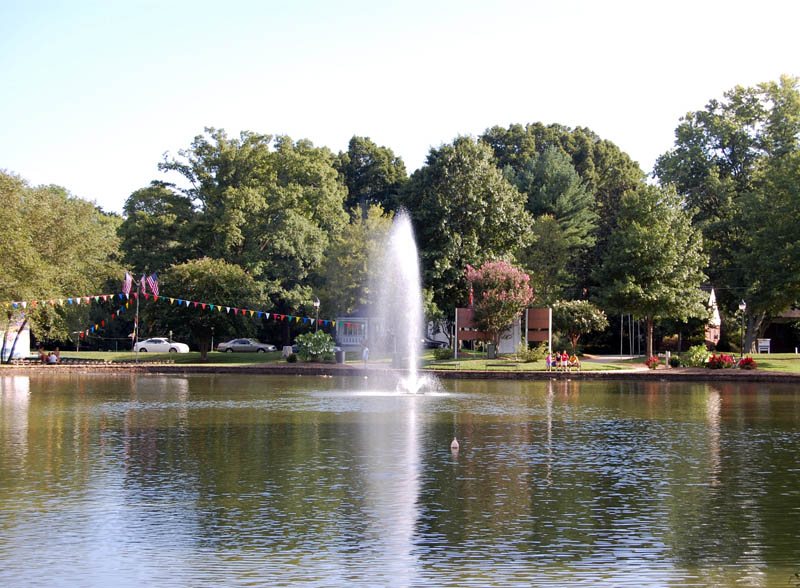
Not every water scene in Charlotte requires a wetsuit. Freedom Park, tucked between Dilworth and Myers Park, is the city's most democratic green space: a small lake with a sprawling lawn, ball fields beside a playground, and a long run of shade trees that make a July afternoon survivable. It is where Charlotteans of every stripe end up on a summer weekend, with strollers and folding chairs, and a whole range of languages drifting across the grass. Bring a blanket and walk the loop around the lake while the geese make their daily case for ownership. The park also connects to the Little Sugar Creek Greenway, which means you can turn a lazy lawn afternoon into a long, shaded walk or bike ride toward Uptown or south toward the neighborhoods beyond. Weekday evenings are quiet; a Saturday morning shows you the city's full cross-section at once.

Parks, Greenways and the Green Spine of the City
A quieter success of the last two decades is how much of Charlotte's core now connects by trail and track. You can cover a surprising amount of ground without a car, and in summer the shade structure of these corridors matters as much as the destinations.
Romare Bearden Park
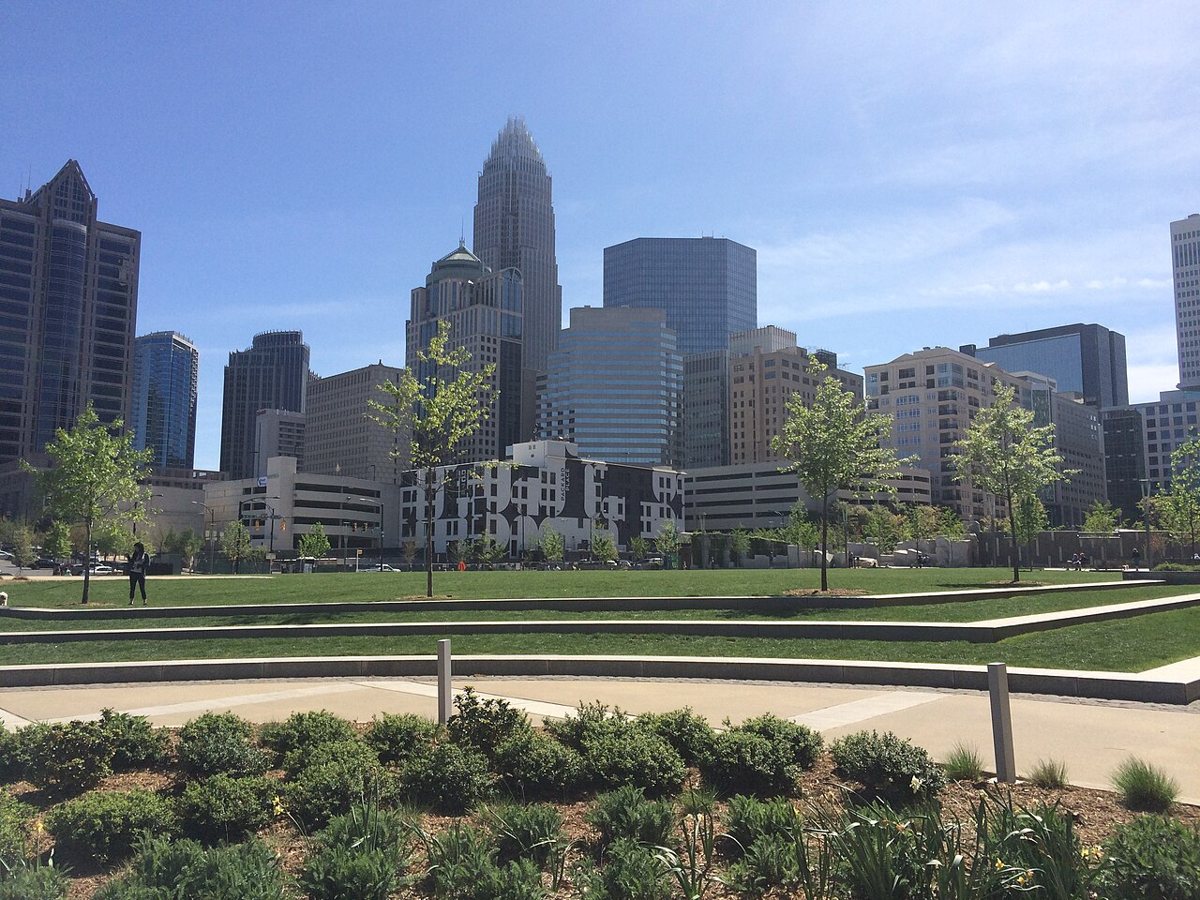
Tucked into the base of the Uptown towers, Romare Bearden Park is the city's most deliberate piece of urban landscape design, named for the Charlotte-born artist whose collages still anchor the local art conversation. It has a water feature and a sculpted lawn, with layered garden beds on one side and a raised walkway that gives you a view of the stadium and the skyline at once. Early morning or after work is the sweet spot, when the office crowd spills out and the towers hold the day's last light. Kids run through the fountains while workers eat lunch on the benches, and the whole thing has the feel of a city trying to prove it can make room for people, not just buildings. A hat helps, because shade is limited at midday, and lingering pays off, because the park sits close to a handful of Uptown destinations you can string into an easy walking afternoon.

A short walk away, First Ward Park gives you a similar breather on the east side of Uptown, with open lawn, plus shade trees that give it a more neighborhood-scale feel. It is a good place to eat something you picked up nearby and watch the city go by, and it is often the staging ground for community gatherings in warmer months. Event listings are worth a look if you want something scheduled; otherwise just show up with a book.
The Charlotte Rail Trail
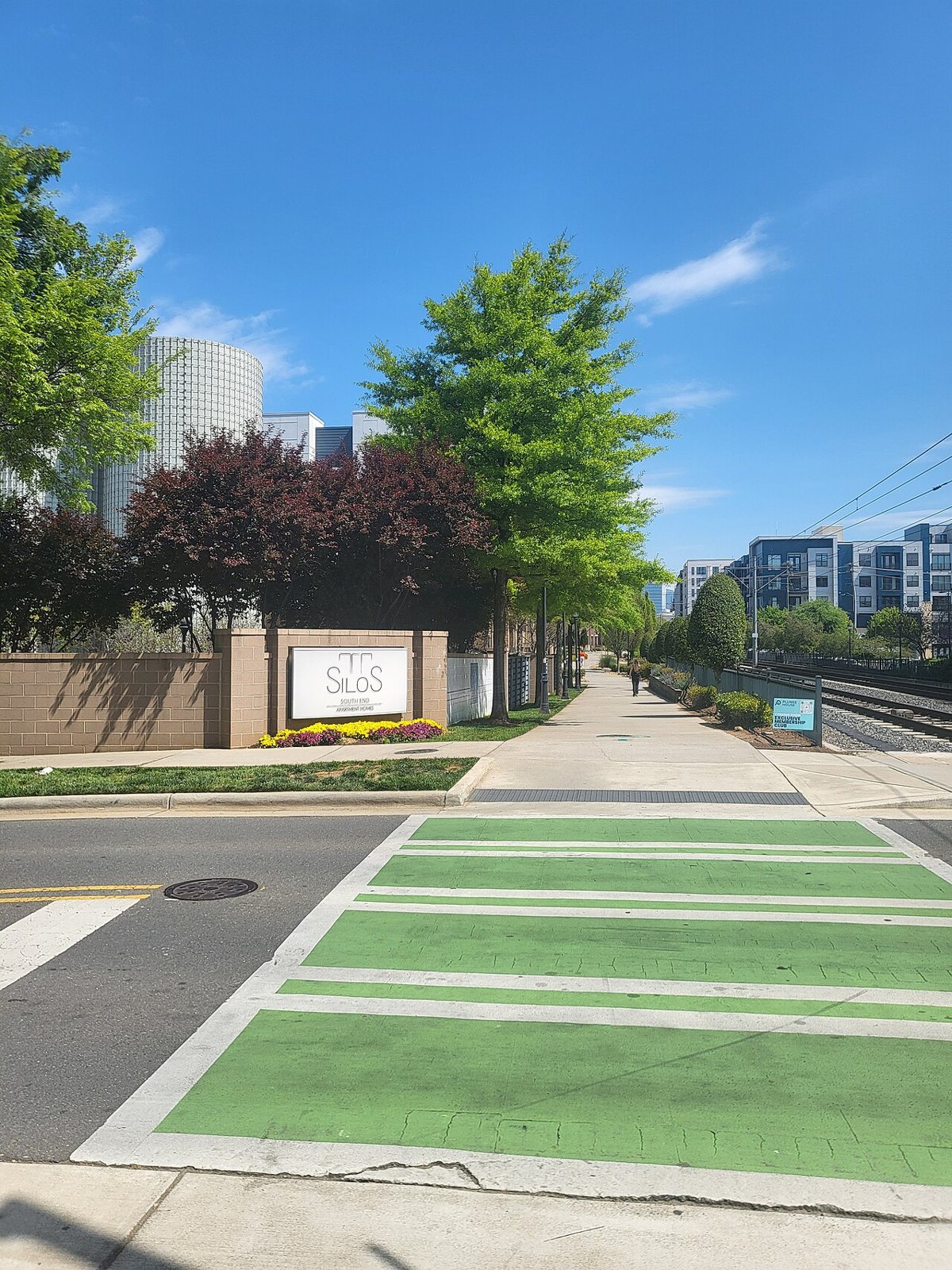
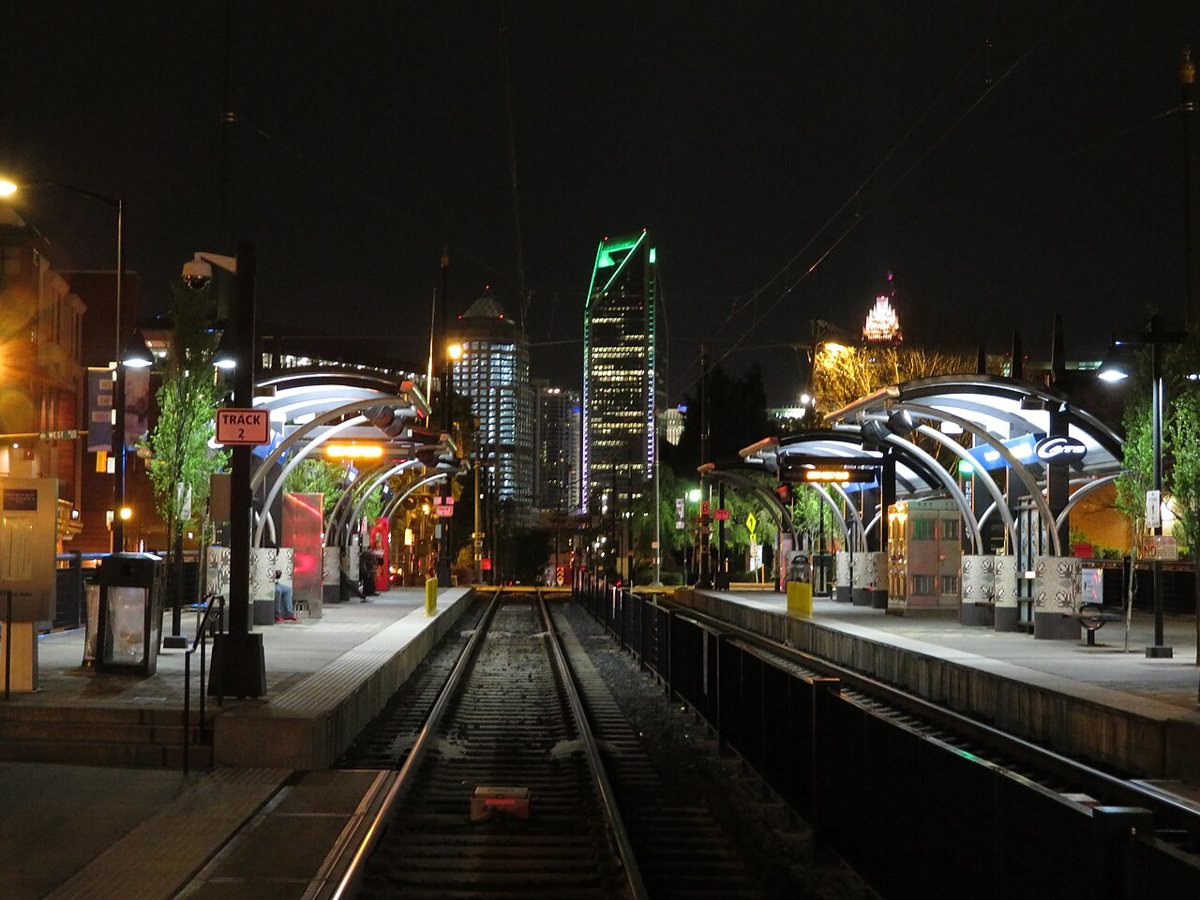
The Rail Trail is the thread that ties South End together. It runs alongside the light rail tracks, a paved path lined with public art and small plazas, where cyclists and strollers share space with joggers and their dogs. A summer walk is the best way to see how fast this part of town has changed: old industrial buildings turned into studios and taprooms, with new apartment blocks rising behind them as the rail line hums past every few minutes. Walk it early, before the sun gets serious, or in the evening when the shade from the buildings stretches across the path. If you ride, keep to the right and mind the pedestrians, because the trail is shared and busy on weekends. It also makes a good spine for a self-guided afternoon, since you can hop on the train to get back to your starting point when the heat finally wins.

Wing Haven
For something calmer, Wing Haven Gardens and Bird Sanctuary offers a small, hand-tended pocket of garden paths and birdsong, with old-fashioned quiet in the middle of a historic residential area. It is the kind of place that rewards slowing down: you wander the paths, then sit and listen. The warm months bring full green growth and plenty of bird activity, and it is a refreshing counterweight to the glass-tower narrative that dominates the city's image. Garden spaces keep their own rhythm and rules, so confirm current visiting information first.
Neighborhoods Worth a Slow Afternoon
Charlotte's neighborhoods are where the city's personality actually lives, and each of them has a different way of handling the heat. Pick a neighborhood and park once; the rest is on foot.
NoDa
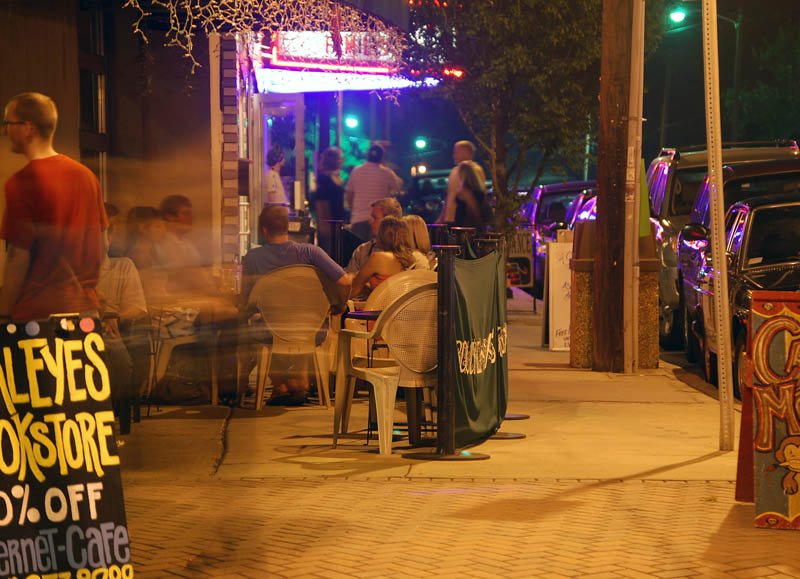
I may be biased, but NoDa is still the best argument that Charlotte has a soul. North Davidson Street runs through the arts district with galleries and murals tucked beside small music venues, all carrying an unhurried, slightly scruffy energy that the newer parts of town can only imitate. The district shifts toward evenings in summer: people drift out as the day cools and gallery doors open, and live music spills from the venues. The light rail stops here, which means you can ride in from Uptown or South End and skip the parking hunt entirely. Spend the late afternoon browsing galleries and wandering the side streets, then settle into a patio as the sun goes down. For a fuller plan, here is a night out in NoDa built around the district's best stretches. A first-weekend gallery night is worth catching if you can, and the venues' calendars matter because the music scene is the part of NoDa that changes most from week to week.

South End
South End is Charlotte's growth story in a single neighborhood. It was once a district of textile mills and warehouses, and it has become dense with apartments and design studios, and known above all for its breweries and restaurants. The old industrial shells have been reborn as taprooms with big doors and bigger patios, and in summer those patios are the neighborhood's living rooms. Sycamore and others anchor the scene, and if you want a real tour, South End's brewery row is easy to cover on foot or by train. Weekday afternoons get you a seat; weekends bring the crowd. Mind the pace and drink water between rounds, then take the rail trail home. South End is also where you see the city's rapid change most plainly, so it is worth looking up from your glass at the cranes on the skyline.

Plaza Midwood
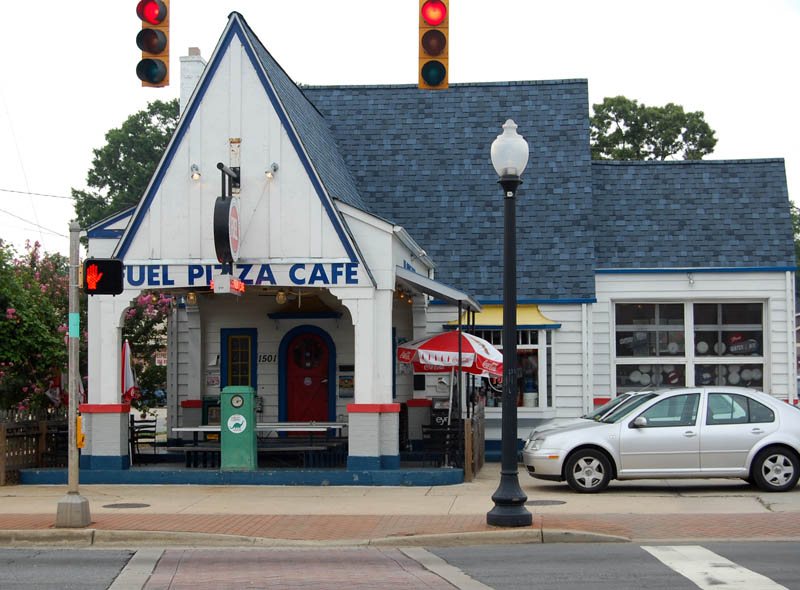
Plaza Midwood is the eclectic one. It has a long reputation as the neighborhood where Charlotte's artists and musicians landed alongside service-industry workers and other restless creatives, and it still carries a little of that unruly energy even as prices climb. The streets around Central Avenue feel like several cities stacked together: vintage shops and small music clubs next to dive bars and family-run places serving food from around the world, all of it reflecting how much Charlotte has changed in the last generation. Central Avenue in particular is among the best places in town to taste that diversity, with kitchens representing a wide range of cuisines. Walk it in the late afternoon, when the shade is long and the doors are propped open. Park on a side street and take your time; getting distracted is the point. It rewards the unplanned detour more than almost any other part of the city.

Old Charlotte lives in Dilworth and Elizabeth. Dilworth's tree-lined streets and historic homes make for an especially pleasant summer walk, and Elizabeth's craftsman bungalows and porches are the stage set for neighborhood evenings. Neither needs an itinerary. A walk and a porch with a cold drink do the job.
Indoor Escapes When the Heat Wins
There are days in August when the only sensible plan is a building with strong air conditioning. Charlotte has a few good ones.
Discovery Place Science
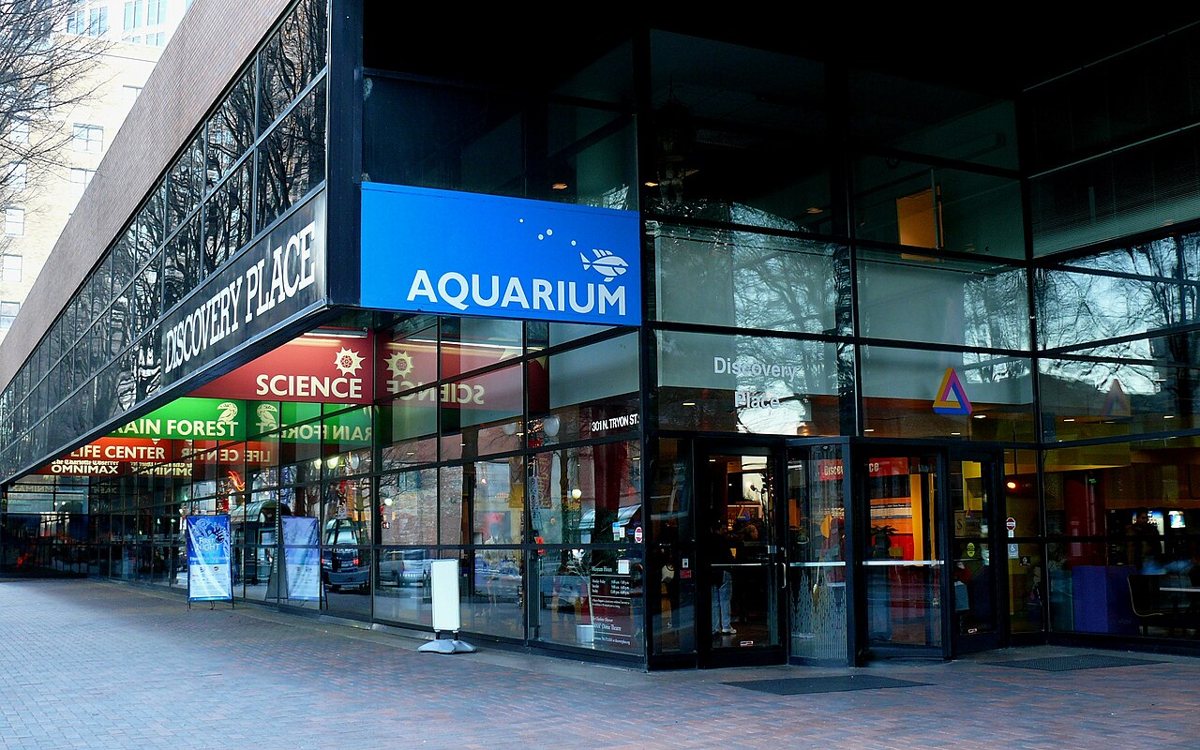
Discovery Place Science, in the heart of Uptown, is the classic rainy-day and scorcher-day answer, and it is better than a children's museum label suggests. It has hands-on exhibits in physical science and life science, along with technology and rotating features, and it draws adults as readily as families. Plan to spend a good chunk of the afternoon, because the building rewards poking around, and current exhibits and ticketing are worth confirming ahead of time. It is a smart move for a family with restless kids, and it is also a reliable date for anyone who still likes to push buttons and see what happens. The Uptown location means you can pair it with a walk through Bearden Park or a train ride out to a neighborhood for dinner.

The Mint Museum
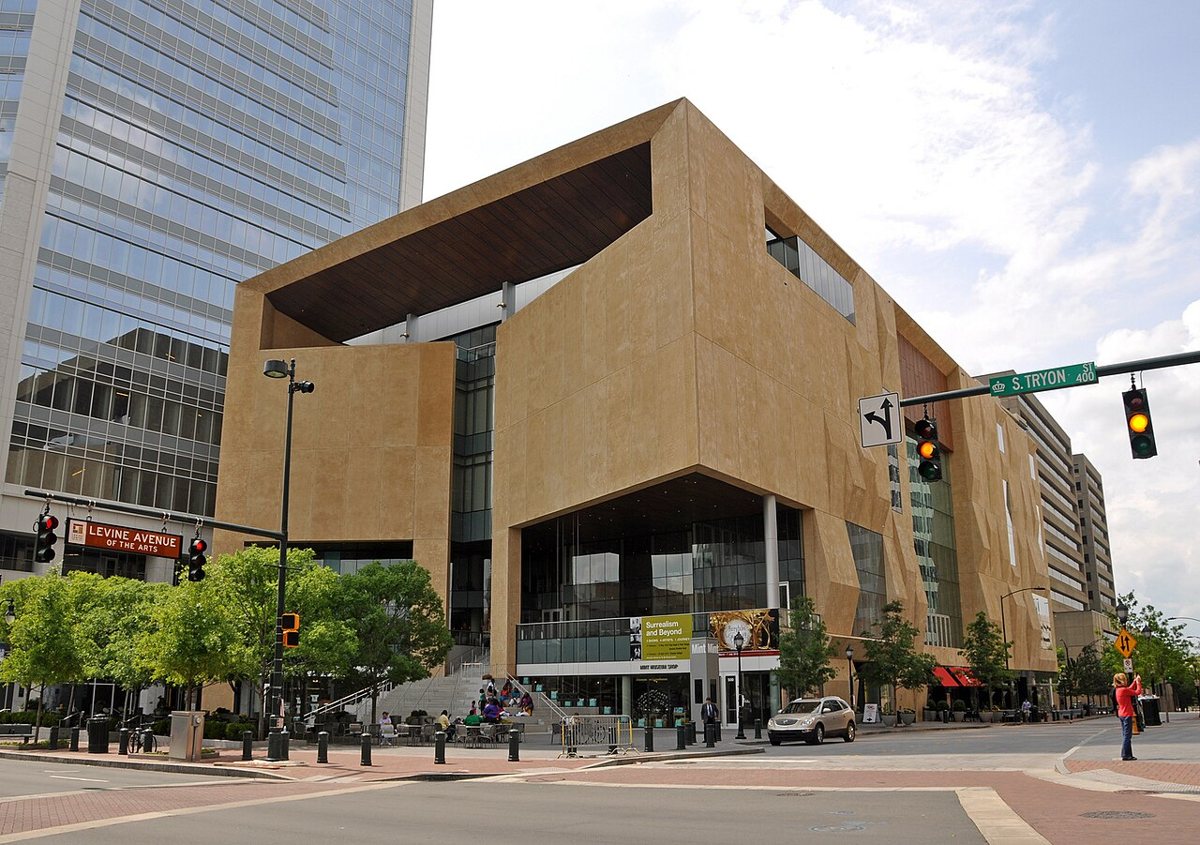
The Mint Museum has two Charlotte homes, one in Uptown and one at its original Randolph Road site, and together they give the city a serious art collection with a real sense of place. The Uptown building covers American and contemporary art, plus craft and design, while the Randolph location, set in a leafy residential area, has a quieter, more intimate atmosphere and a history tied to the old U.S. Mint that gave the museum its name. A summer afternoon here is a lesson in why the arts matter to a city that is often defined by finance. Special shows change, so confirm current exhibitions before you plan your visit, and take your time with the galleries. The cool, quiet rooms are an excellent counterpoint to the heat outside.

Sports and the Summer Sky
Charlotte takes its sports seriously, and summer has its own rhythm of baseball and soccer, with plenty of open-air nights.
Truist Field
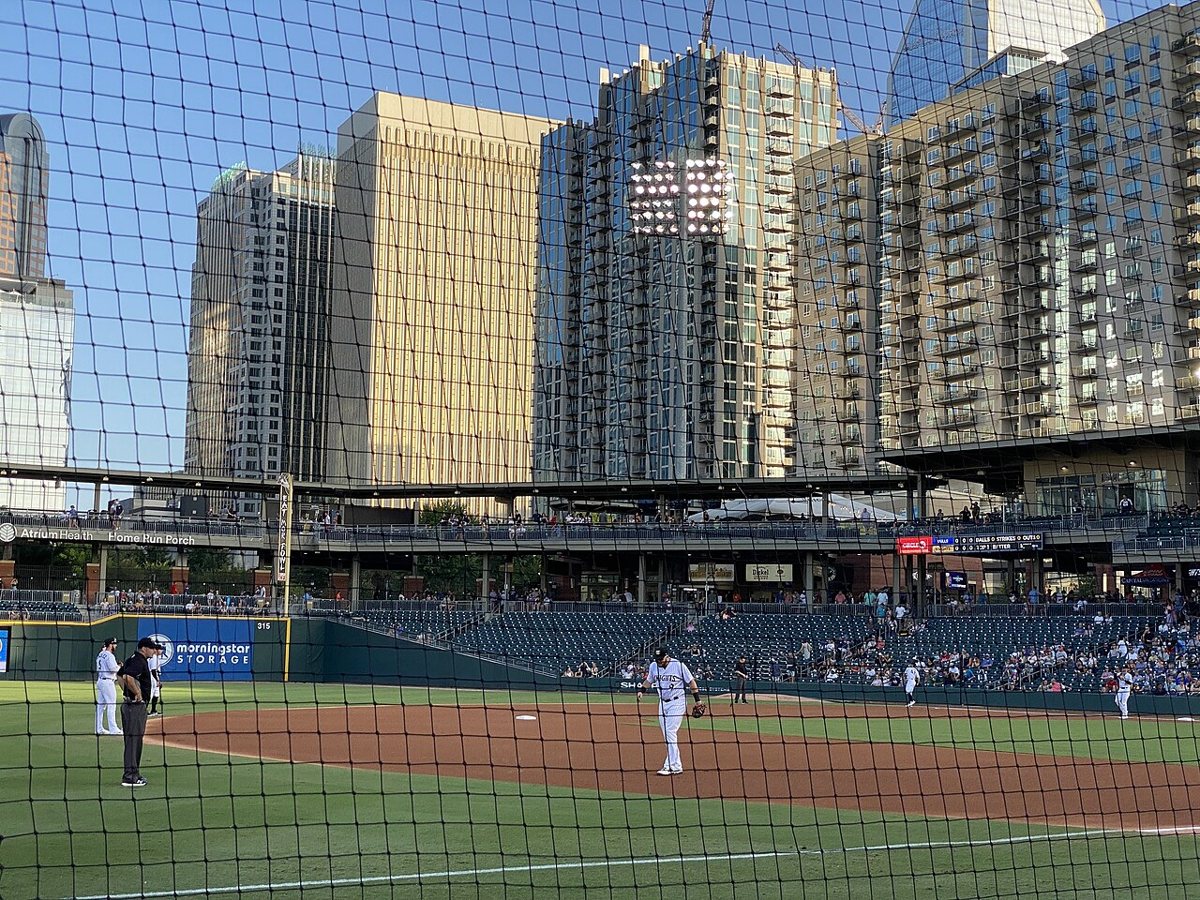
The Charlotte Knights play at Truist Field in Uptown, a ballpark that frames the skyline beyond the outfield wall and gives you a strikingly good-looking sports setting. A summer ballgame here is a classic: cheap by major-league standards in spirit if not always in fact, relaxed and family-friendly, with the small pleasures of minor-league baseball, like between-inning games and the occasional fireworks night. The team's schedule lists promotional nights, and arriving early lets you settle in before first pitch. Sunscreen and a hat are not optional, and the evening breeze, when it arrives, is worth the wait. It is also easy to reach on foot or by train, which makes it a stress-free outing for anyone who does not want to deal with Uptown parking.

Nearby, Bank of America Stadium, home of the Panthers, also hosts Charlotte FC during the soccer season, and the soccer crowd brings a very different energy than the football one: louder and younger, more international, and a good reflection of how the city has changed. The Spectrum Center, where the Hornets play, shifts toward concerts and big events when the basketball season is over, which makes it a handy air-conditioned option on the hottest nights. Schedules for both vary, so look them up before planning around them.
Food and Drink in the Heat
Eating in a Charlotte summer is mostly about timing and shade. The city's food scene has grown up fast, with kitchens representing cuisines from around the world, but a few local staples hold the whole thing together.
The Charlotte Regional Farmers Market
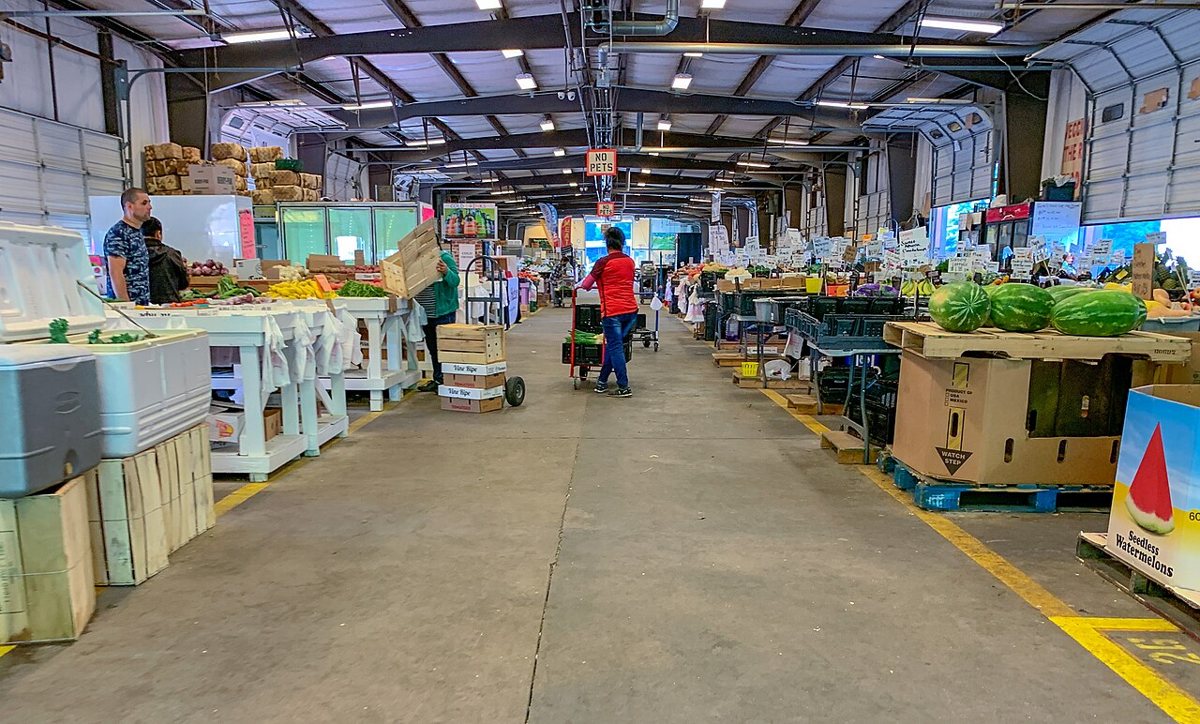
The Charlotte Regional Farmers Market is the place to understand what the Piedmont actually grows. At the height of summer, the stalls fill with tomatoes and peaches, corn and berries, the kind of produce that makes the grocery store version taste like a rumor. Go early on a weekend morning, before the heat sets in and while the best of the day's harvest is still on the tables. Bring cash and a tote bag, then talk to the growers and ask what is best this week, because they will tell you. Pair it with a pimento cheese sandwich, a staple of the region, and some tomato-tinged barbecue sauce on your plate later in the day, and you have eaten the Piedmont in a single outing. Hours and vendor lineups shift with the seasons, so confirm the market's current schedule first.

The rest of the food story is easier to describe than to prescribe. Piedmont-style barbecue, chopped pork with a tomato-tinged sauce, is the local default and worth seeking out at any of the city's long-running barbecue joints. Brunch is a civic religion, and a patio brunch in a shaded neighborhood is a great low-effort pleasure of the season. South End and NoDa have their taprooms, while Plaza Midwood and Dilworth trade in international kitchens and leafy patios. Pick based on the neighborhood you are in, not the review count, and you will rarely go wrong.
Summer Things to Do in Charlotte for Families
Families are not an afterthought here. The city has grown up around them, and summer gives you plenty of ways to wear out a kid.
Carowinds
Carowinds straddles the North Carolina and South Carolina line just south of the city, and it is the region's big amusement park, with roller coasters and family rides plus a water park on the grounds. It is the sort of day trip that takes planning: arrive near opening and drink more water than you think you need, using the shaded stretches strategically. The water attractions are the obvious summer draw, and the thrill rides are a separate reward for the kids and adults who want them. Details change, so confirm the park's operating calendar and any height requirements before you go. The line management is the thing to watch, so a midweek visit usually beats a Saturday. It is also close enough to the city that you can build a full day around it and still be home for dinner.


The Billy Graham Library
The Billy Graham Library, near the southern edge of the city, is a quieter family stop. It is tied to the life and ministry of the North Carolina native who became a widely recognized religious figure around the world, and the grounds include gardens and the family homestead as well as the library building itself. Whatever your own beliefs, it is a significant piece of Charlotte-area history, and the landscaped grounds are a calm place to spend a morning. Visiting details change, so confirm them before you plan your trip.
Getting Around and Staying Cool for Less
The practical side of a Charlotte summer is easier than you might expect, if you plan around the heat and use the light rail.
Riding the Light Rail
The Lynx Blue Line is the city's spine. It runs from the southern suburbs through South End and Uptown and north through NoDa and out toward the university area, which means you can reach several of the neighborhoods in this guide without ever touching a steering wheel. Schedule and fare information are worth confirming before you ride, and leaving the car at home makes sense for any outing that involves a taproom. The train is air-conditioned, which is a gift in August, and it turns a day of neighborhood hopping into something close to a progressive tour. Stroll the Rail Trail in one direction and ride the train back.
Beating the Heat
The rules are simple and nobody follows them. Start outdoor plans early and drink more water than you think you need. Wear a hat and sunscreen. Plan something indoors for the middle of the day, and save the long walks for the evening. Afternoon thunderstorms roll through often in summer, so keep an eye on the sky and have a backup plan. Anyone stuck outside at noon should find the water or the shade and move slowly.
What Is Free
A lot of the best of a Charlotte summer costs little or nothing. The parks and greenways are free to use, and so is the Rail Trail, as are neighborhood walks through Dilworth and Elizabeth or NoDa and Plaza Midwood. Gallery browsing in NoDa is often free, and many outdoor events in parks and plazas are open to the public. City and neighborhood event listings cover community gatherings, and it pays to confirm what is free before you go, since policies shift.
The Case for Staying in Town
Every summer, Charlotteans talk about leaving. The mountains are a few hours west and the coast a few hours east, so the escape fantasy is real. I have made the drive plenty of times. But the longer I live here, the more convinced I am that the best version of a Charlotte summer happens when you stop treating the city as a place to flee and start treating it as a place to pay attention to.
This is a city that has been told, for most of its life, that it is on its way to becoming something else. The towers keep rising and the neighborhoods keep changing, with newcomers arriving from everywhere. That energy can feel like pressure. In summer, though, when the pace drops and the evenings stretch out, you can see what is already here: a creek-side greenway full of people who speak a dozen languages, a ballpark under the skyline, a farmers market heavy with Piedmont tomatoes, a gallery door propped open on North Davidson. None of that needs a brochure.
So my advice is to pick one neighborhood a week and give it a full day. Get on the train and wander without a plan. Sit on a patio until the light goes orange. Charlotte does not need to prove it is a real city, and by August you will have stopped needing it to.