Spring Things to Do in Charlotte You Shouldn't Miss
Charlotte's mild months are short and crowded with options, so here is the honest short list of what actually earns a Saturday between the last frost and the first real heat.
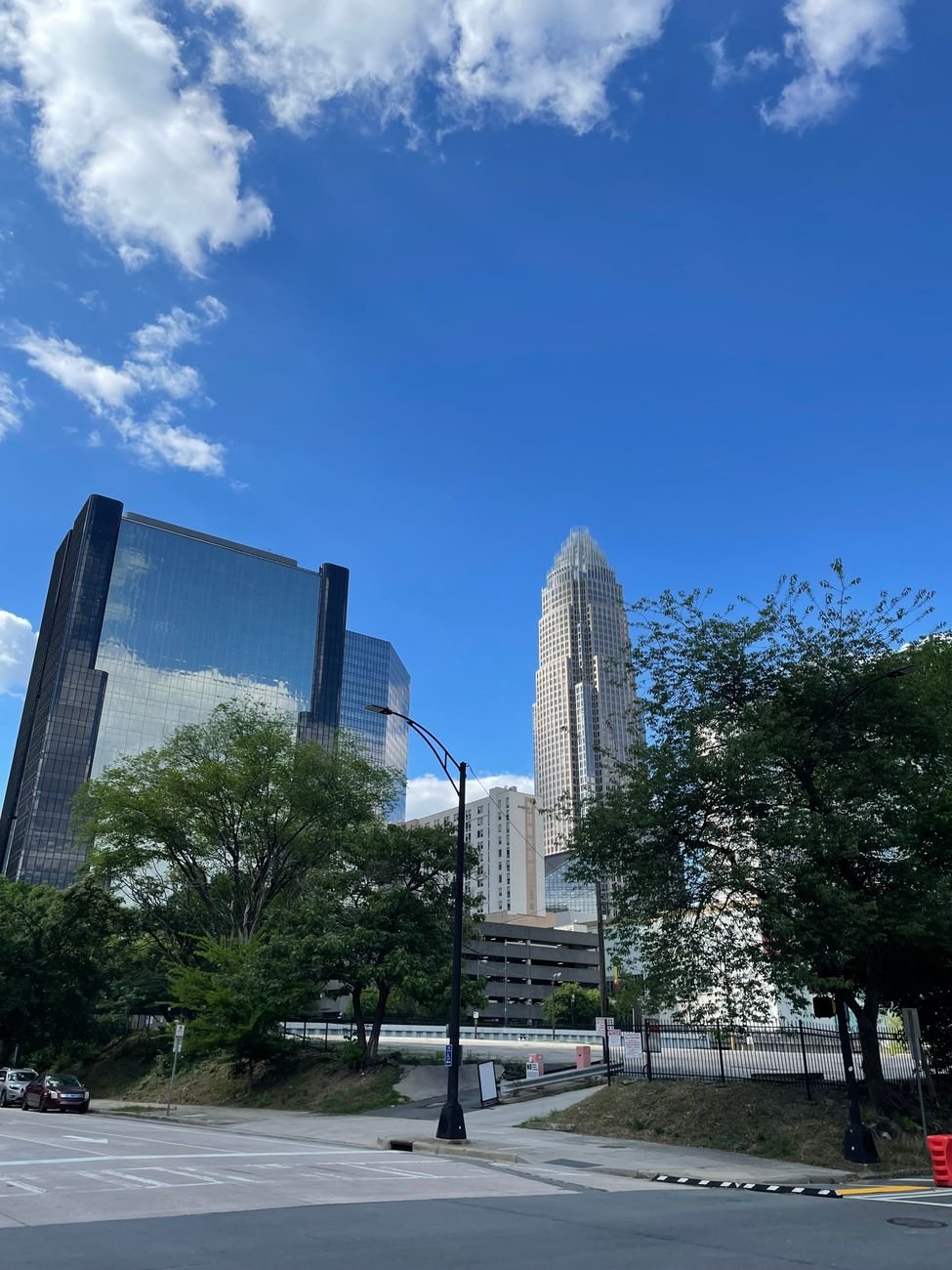
By the second week of March, the dogwoods along Queens Road start going off in white and pink and the patio chairs come out at every brewery in South End before the health inspector has even signed off. The greenways fill back up too, with runners who spent January making excuses. This is the season when Charlotte remembers it is a city built on trees as much as towers, and when spring things to do in Charlotte stop being a search-engine question and start being a scheduling problem. Too many good afternoons stack up against too few weekends before the first heavy humidity of June. Anyone who has lived through a Charlotte July understands the urgency: this window closes, and it closes fast.
Charlotte in spring is not one thing. It is dogwood-lined streets in Dilworth one afternoon and a food truck line in a parking lot off Central Avenue the next, a dozen languages layered over the light rail announcements, a city that has picked up more new neighbors in the last decade than most places its size see in a generation. The skyline gets the postcard, but the parks, the patios, and the arts districts are where the season actually happens. What follows is not a list of everything open between March and May. It is the stuff worth rearranging a Saturday for, organized the way an actual weekend unfolds: outside first, then the neighborhoods, then the backup plans for when the sky doesn't cooperate.
Spring Things to Do in Charlotte That Start Outside
Charlotte's geography does the work for you in spring. The city sits in the Piedmont, low rolling hills instead of flat coastal plain, which means the temperature swings are real: a 70-degree Tuesday can turn into a 40-degree Thursday, and the trick to enjoying any of this is checking the forecast the morning of, not the week before.
U.S. National Whitewater Center
West of uptown, past the interstate and the last of the office parks, the Catawba River feeds a set of engineered rapids that locals just call the Whitewater. It runs rafting and kayaking channels alongside miles of mountain biking and hiking trails, zip lines, a ropes course, and a sprawling lawn that turns into a lounge scene most warm evenings. The best window of the year to go is spring, when river levels are strong and the trail's dogwoods and redbuds are doing their thing; the crowds haven't hit full summer volume yet. Bring a change of clothes if you're doing anything on the water, because the Catawba stays cold longer than the air does. A weekday morning session is the smart move, when you can walk straight up to a raft or paddleboard rental without a line and have the trails mostly to yourself. First-timers on the water should ask about the beginner channel before booking anything more advanced, since the rapids scale from a gentle float to a genuine soaking depending on which run you pick. It sits in the River District, a short drive west of uptown, close enough that a morning there and a late lunch back in South End fit into the same day without feeling rushed.


Freedom Park and Little Sugar Creek Greenway
Freedom Park, straddling the line between Myers Park and Dilworth, is the closest thing Charlotte has to a shared backyard. There's a lake with a walking loop, ballfields, and an amphitheater, and in spring the cherry and dogwood trees around the lake make the whole park look staged. It connects directly to the Little Sugar Creek Greenway, a paved path that threads north toward uptown and Symphony Park and south toward Dilworth's old bungalow streets, so a trip here rarely has to end at the parking lot. Weekend afternoons get crowded with birthday parties and rec league games, so a weekday evening walk or an early Saturday jog before the softball games start works better. It works equally well as a stop coming from Dilworth, Myers Park, or Elizabeth.

Daniel Stowe Botanical Garden
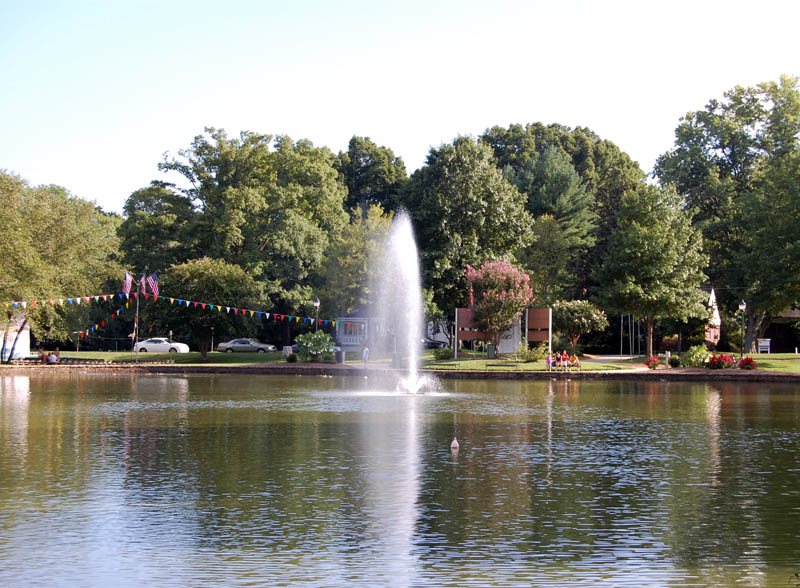
For a proper day trip, cross the Catawba into Belmont for Daniel Stowe Botanical Garden. The garden peaks in spring. Tulip beds change out in waves and the orchid conservatory feels especially welcome after a chilly walk, while entire hillsides turn pink and red with camellias and azaleas. It's not technically in Charlotte, but it functions as the region's garden the way the Whitewater functions as the region's river, and plenty of Charlotteans treat the short drive as part of the outing rather than a deterrent. Aim for a weekday morning if you can, ideally after rain, when the paths are close to empty and the light through the canopy is worth the drive on its own. Big-bloom weekends draw a crowd, so build in extra time for parking on a Saturday.

Neighborhoods Built for Walking Once It Warms Up
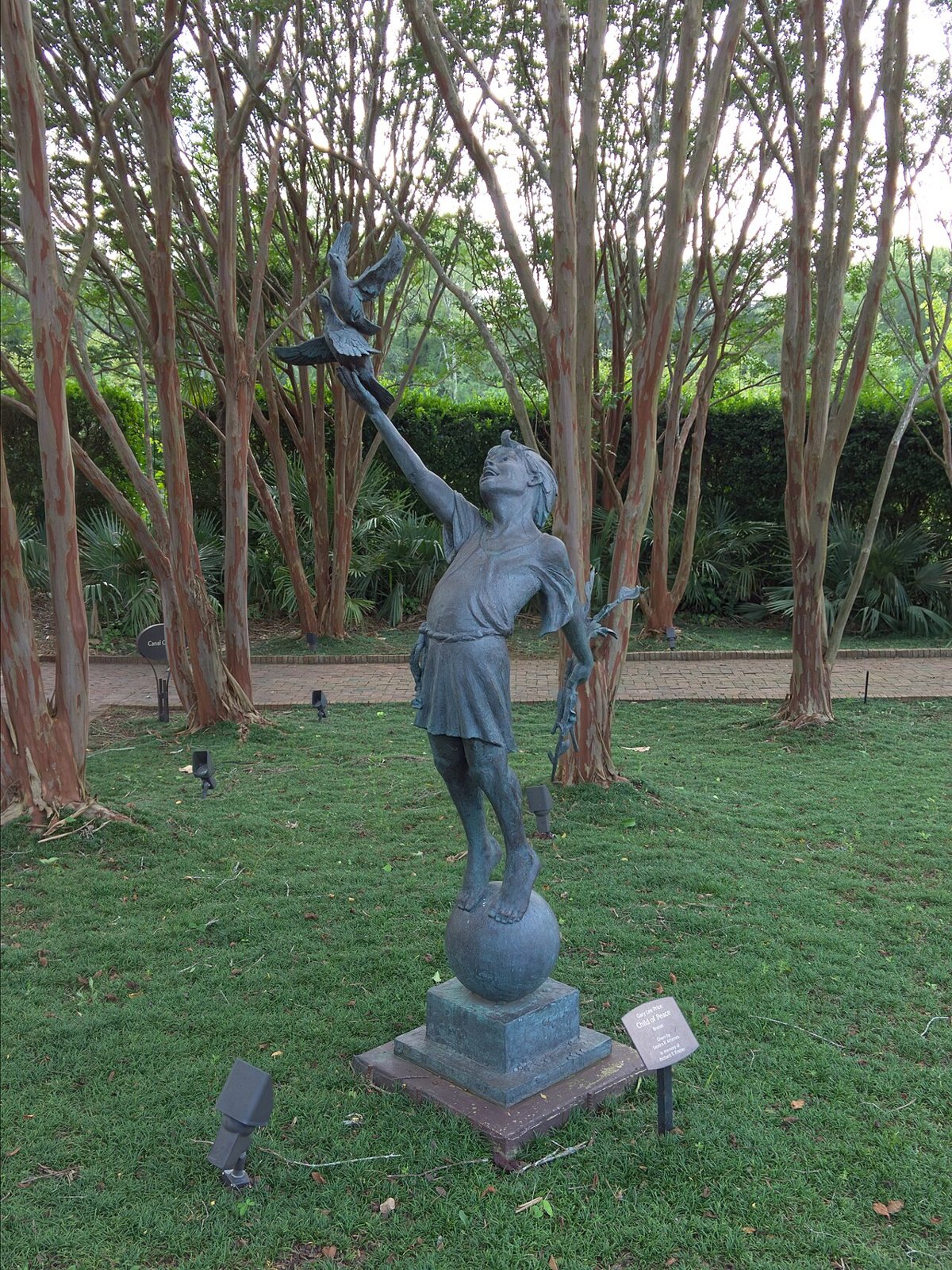
Some of the best spring plans in Charlotte don't have a single destination. They're a neighborhood, walked slowly, with a coffee in one hand and no real schedule.
NoDa
North Davidson, universally shortened to NoDa, has been Charlotte's arts district since well before the light rail extension made it easy to reach without a car. Murals cover the sides of old mill buildings and small galleries keep odd hours worth checking before you go. The Neighborhood Theatre still books touring bands into a room that feels more like a converted warehouse than an arena, which it more or less is. Spring is when the patios attached to its coffee shops and breweries fill back up, and the sidewalks between them turn into the real draw. The easiest approach is riding the Blue Line to one of the NoDa stations and walking the neighborhood from there, since parking on the narrow residential streets gets tight fast on weekend nights. It sits north of uptown, a few light rail stops past the arena, and the walk between the two main clusters of galleries and bars is short enough to do twice in one evening without noticing the distance.

Plaza Midwood
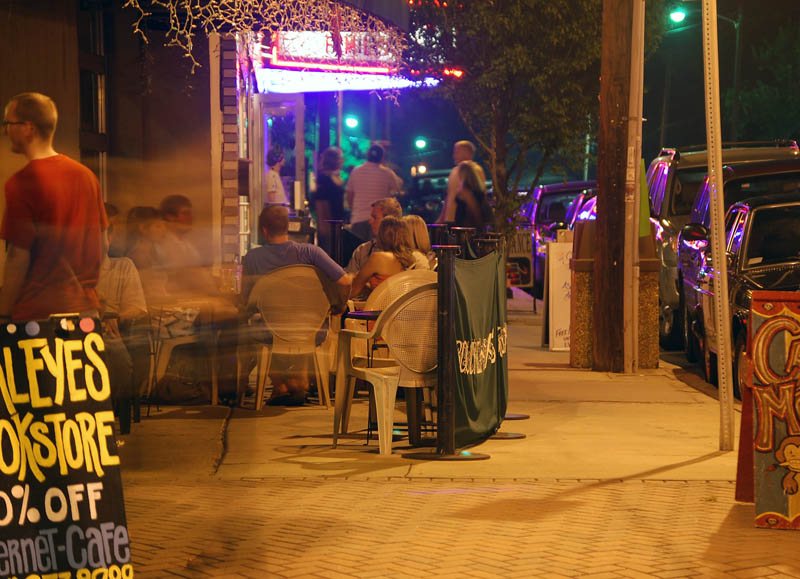
Plaza Midwood is Charlotte's answer to the question of what happens when a neighborhood refuses to get precious about itself. Central Avenue and Commonwealth Avenue anchor a strip of thrift stores, tattoo shops, small music venues, and patios that range from polished to genuinely casual, sometimes on the same block. It's the closest thing the city has to a genuinely eclectic strip, and spring evenings are when it's most itself, warm enough to sit outside but not yet sticky. No single reason to go stands out so much as an evening's worth of reasons stacked together: dinner, a record shop, a set at a small venue, a walk back through streets lined with bungalows. Park once, then cover it on foot, because the charm here is in the wandering, not the destination.

South End and the Charlotte Rail Trail
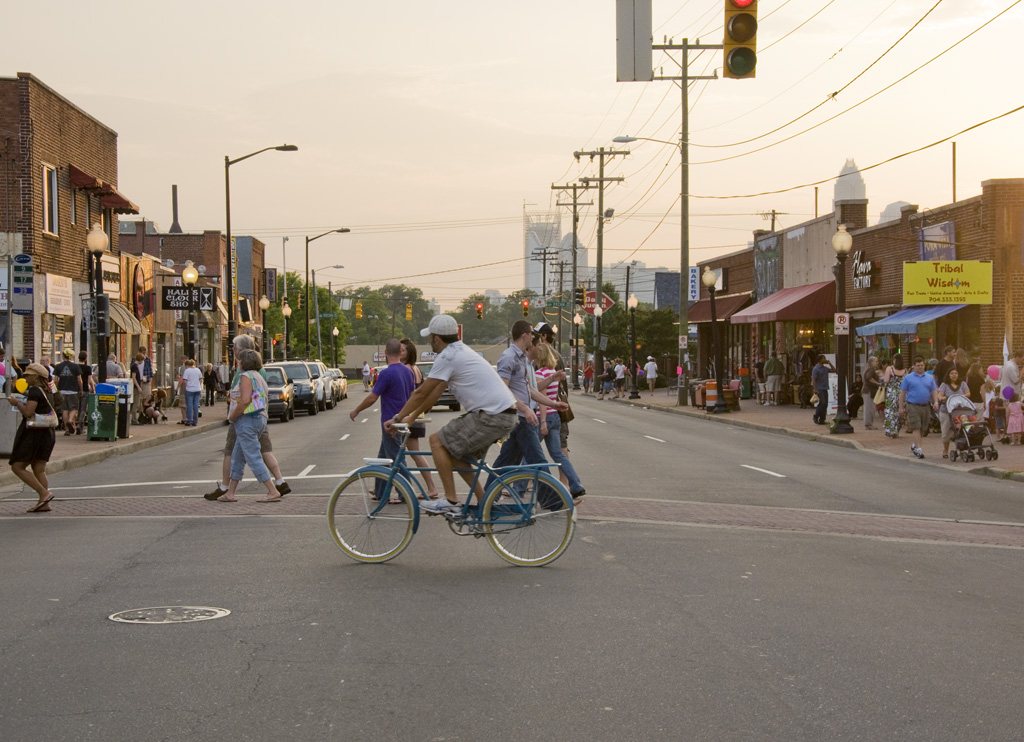
South End has changed faster than almost any other part of Charlotte, and in spring it shows. What used to be warehouses and rail spurs is now brewery row and then some, anchored by the Charlotte Rail Trail, a paved path that runs alongside the Blue Line tracks past murals and patio after patio, with public art breaking up the walk. This is prime season for South End's brewery row, when every taproom's garage doors are open and the outdoor seating fills before five o'clock. The neighborhood is dense and walkable in a way most of Charlotte isn't, so the smart move is parking once, at a light rail station, and letting the Rail Trail and the train do the rest of the work. Weekend afternoons are the peak, and also the most crowded, so a Sunday brunch crawl beats a Saturday night if you want to actually get a seat. The neighborhood's newer apartment towers get criticized for changing the skyline faster than anyone can keep track of, but the street level, at least in spring, still feels like a place built for people rather than just for rent rolls.

Gardens and Museums for Rainy Days and Pollen Breaks
Spring in Charlotte comes with a tax: pollen thick enough to coat car windshields in yellow by April, and rain systems that roll through with little warning. A few spots make the case for staying indoors, or at least somewhere shadier, without losing the season, and all three sit close enough to a Blue Line stop that giving up a car for the day costs nothing.
Wing Haven
Wing Haven is a walled garden and bird sanctuary tucked into a residential stretch of Myers Park, built around the idea that a small space, done carefully, beats a large one done carelessly. Azaleas and early perennials come in waves through March and April, and the birdsong is loud enough that it's easy to forget you're a few blocks from some of Charlotte's largest houses. It's a quiet, almost private counterpoint to a weekend spent at the Whitewater or a Charlotte FC match, and worth the contrast. Check current hours before heading over, since access is more limited than at a public park, and go on a weekday morning if you can for the fullest effect of the quiet. It rewards patience more than any other stop on this list, the kind of place where sitting still on a bench for ten extra minutes changes what you actually notice.
McGill Rose Garden
Over in Elizabeth, a few blocks off the greenway system, McGill Rose Garden runs on volunteer labor and civic goodwill, and it shows in the best way: trellises and arbors thick with roses, all of it kept up by people who clearly enjoy the work. The roses themselves peak a little later in the season, but by mid-spring the garden is already full of daffodils and tulips, plus the kind of soft light that makes it a favorite for engagement photos. It's usually free and open to the public, which makes it an easy add to a walk through Elizabeth's craftsman bungalow streets, past the kind of wraparound porches that made this neighborhood a preservation fight decades before South End had any towers to argue about. Visit on a weekday to have the paths mostly to yourself before the wedding photographers arrive on weekends.


Discovery Place
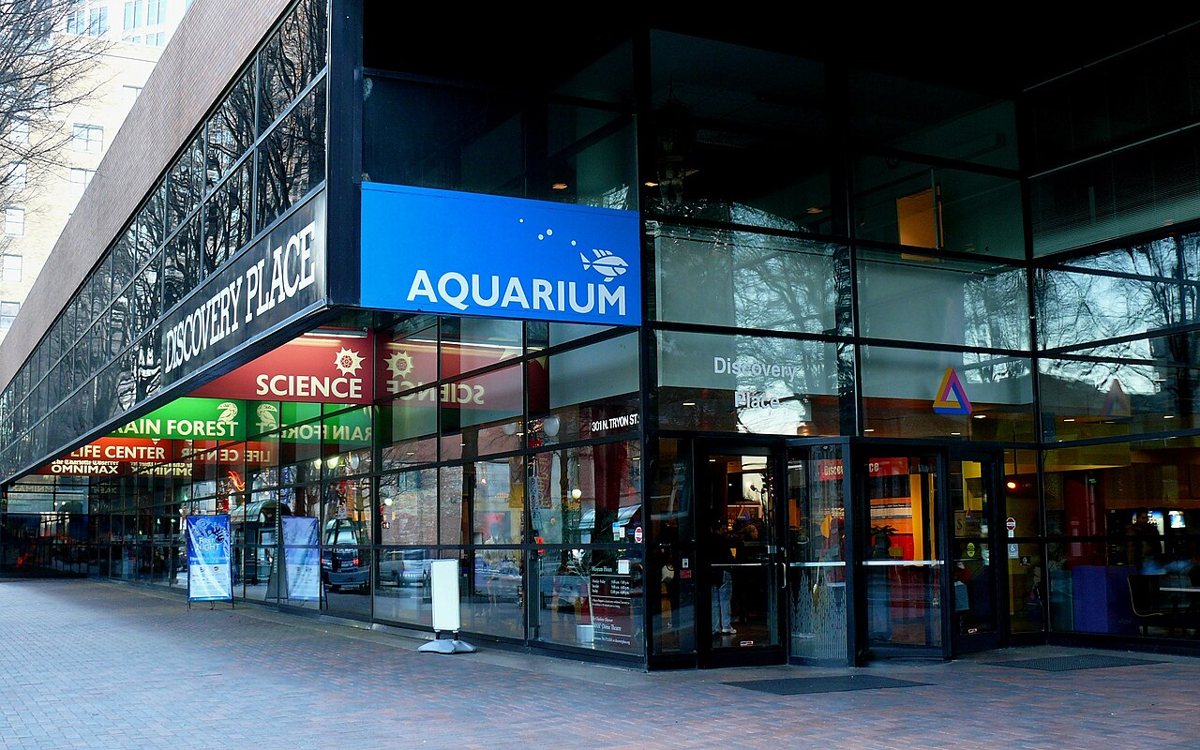
Discovery Place, right in the middle of uptown, is the reliable answer whenever spring weather doesn't cooperate or the pollen count makes an afternoon outside miserable. It's a hands-on science museum built for kids but genuinely engaging for adults, pairing live demonstrations and an IMAX screen with touch tanks that make it a legitimate rainy-day plan rather than a consolation prize. Because it's uptown, it pairs easily with a light rail trip and lunch at one of the food halls nearby, so a rained-out morning doesn't have to sink the whole day. Weekday mornings run quieter than weekends, when it fills with school groups and birthday parties, so anyone hoping to actually read the exhibit placards rather than shuffle past them should aim for a Tuesday or Wednesday.

Food, Patios, and the Farmers Market
Charlotte Regional Farmers Market
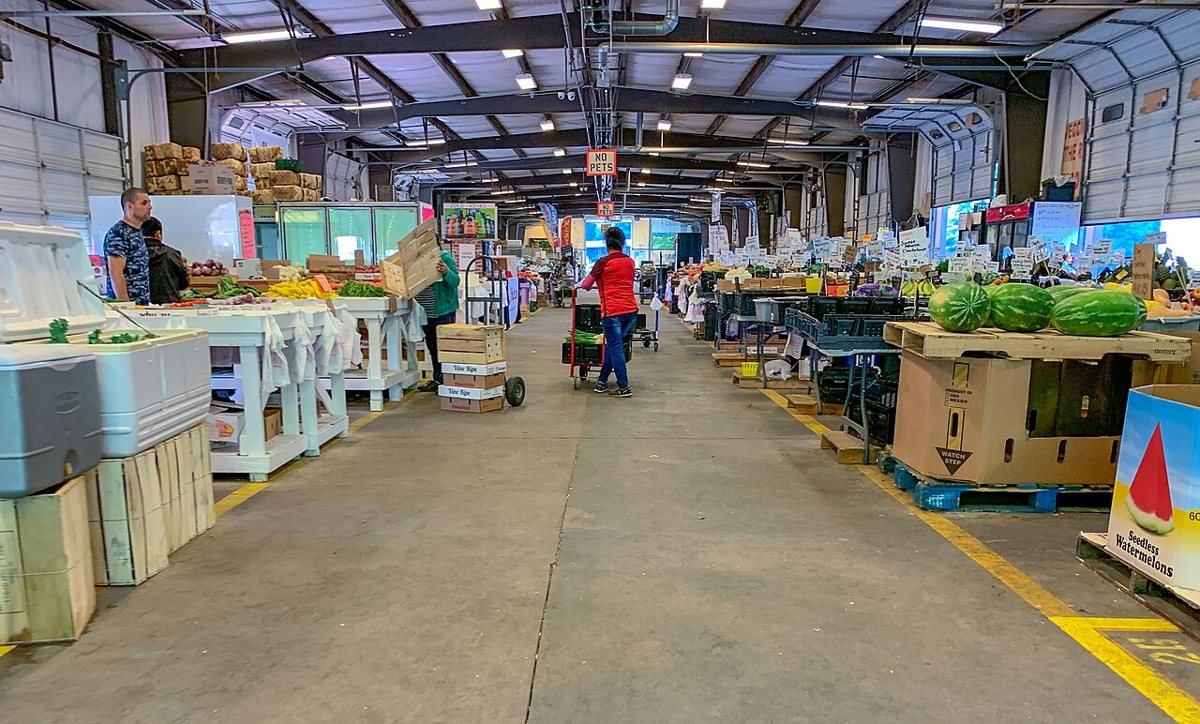
The Charlotte Regional Farmers Market is where spring actually announces itself before the calendar does: seed packets and hanging baskets show up before the produce does, then strawberries, then the first tomatoes of the year a bit later. Vendors sell produce, plants, and local honey, plus baked goods most weekends, and the atmosphere is closer to a weekend errand than a tourist stop, which is exactly the appeal. Go early on a Saturday for the best selection and the shortest lines, and bring cash, since not every small vendor runs a card reader. It's a good stop to build a Saturday morning around before heading into whichever neighborhood you're spending the afternoon in, and it says something about the city that a market built for produce runs has become a genuine social scene, strollers and dog leashes tangled at every third stall.

Patio season and the case for a long brunch
Piedmont-style barbecue, the tomato-tinged sauce that separates Charlotte's smokehouses from their vinegar-forward cousins east of here, tastes better on a patio in April than any other time of year, and pimento cheese shows up on menus from breakfast plates to bar snacks like it's a civic requirement. Brunch culture runs deep in this city, deep enough that a long spring brunch counts as a legitimate weekend plan rather than a fallback, especially in Dilworth and South End, where patios stay full from late morning into early afternoon. The trick locals use is arriving right at opening or well past the first rush, since the in-between hour is when every wait list gets long. Bring a friend willing to split two orders, because half the fun of a spring brunch here is comparing plates across styles and neighborhoods rather than settling on just one.
Festivals, Sports, and Public Space Downtown
Romare Bearden Park
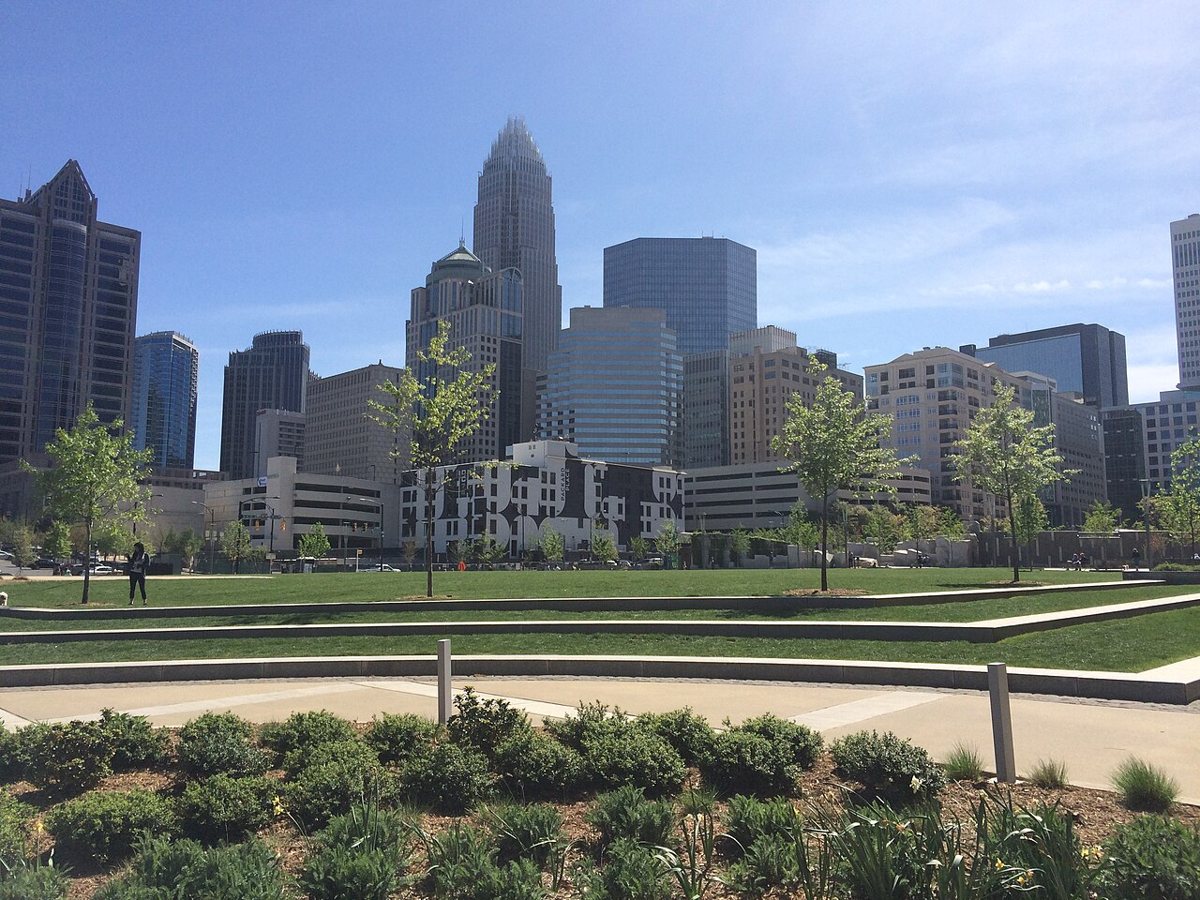
Romare Bearden Park sits at the edge of uptown, named for the Charlotte-born collage artist whose work hangs in museums well beyond North Carolina, and it functions as the city's front lawn. Open green space anchors the park, along with a splash fountain that draws kids the moment the temperature clears seventy. A skyline view here photographs better at dusk than almost anywhere else in the city. The park's calendar of outdoor concerts and pop-up markets picks back up each spring after a quiet winter, so it's worth checking the city's parks calendar before a visit in case something's scheduled. Even with nothing on the calendar, it's a legitimate destination on its own, a five-minute walk from the ballpark and a straight shot from the Blue Line's uptown stations.

Charlotte FC at Bank of America Stadium
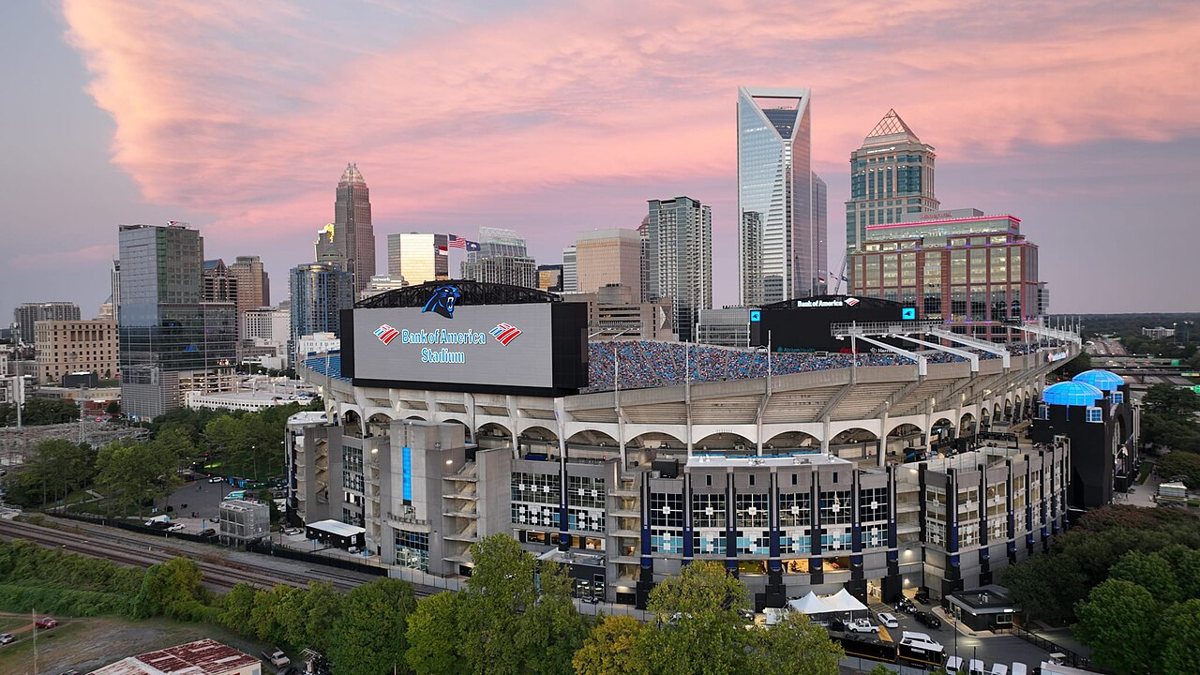
Charlotte FC's season runs through spring, and match days at Bank of America Stadium have become one of the more reliable ways to feel the city's newer, louder identity in one place. The supporters' sections turn the parking lots and surrounding streets into a tailgate scene hours before kickoff, and the atmosphere inside carries even for people who came for the spectacle more than the soccer. It's an uptown event through and through, walkable from the Blue Line's stadium-adjacent stations, which spares everyone the parking scramble. Arrive early if tailgating is part of the plan, since the lots fill fast and the pregame is arguably as good as the match. It is one of the clearest signs of how quickly the city's sports culture has grown up around a team that didn't exist a few seasons back.

Practical Spring Charlotte: Getting Around, Timing, and What's Free
The LYNX Blue Line is the spine that makes most of this workable without a car for an entire day. It runs from south Charlotte through South End and uptown up to NoDa and beyond, which means a single day pass can cover the Rail Trail, a Charlotte FC match, and a NoDa gallery crawl without ever finding parking twice. Trains run frequently enough on weekends that missing one rarely costs more than a few minutes, which makes it easier to justify skipping the car altogether for an entire Saturday.
- Timing: mornings suit gardens and greenways best before pollen and heat build up; evenings suit patios and the Rail Trail once the sun drops behind the towers.
- Weather: Piedmont spring swings hard between warm and cold within the same week, so check the forecast the morning of rather than trusting last week's plan.
- What's usually free: Romare Bearden Park, the Charlotte Rail Trail, McGill Rose Garden, Freedom Park, and most of the greenway system carry no admission, though a few gardens and museums do.
- Parking: South End, NoDa, and uptown all get tight on weekend evenings, so riding the Blue Line in from an outlying station beats circling for a spot.
- Pollen: keep car windows up and a rag in the trunk. It is not an exaggeration.
None of this requires ranking Charlotte against Asheville's mountains or Charleston's downtown, a game visitors play more than residents do, usually because they haven't spent an April evening on a South End patio or a Saturday morning at Freedom Park watching the lake fill up with paddleboats and stroller traffic in equal measure. Charlotte's spring case is different: a city still deciding what kind of place it wants to be, building fast enough that a favorite patio can turn into a construction fence overnight, filling up with new residents from every part of the country and well beyond it, and using these few mild months to prove that all that growth hasn't crowded out the parts worth walking to. Go outside before the humidity settles in for good, before the patios empty out for air conditioning and the greenways go quiet in the afternoon heat. The dogwoods don't wait for anyone's schedule, and neither does the next construction crane.