Best Food Halls in Charlotte You'll Actually Love
Charlotte's food halls turned its abandoned mills into communal dining rooms, and for a city still filling in its restaurant memory, that's exactly the point.
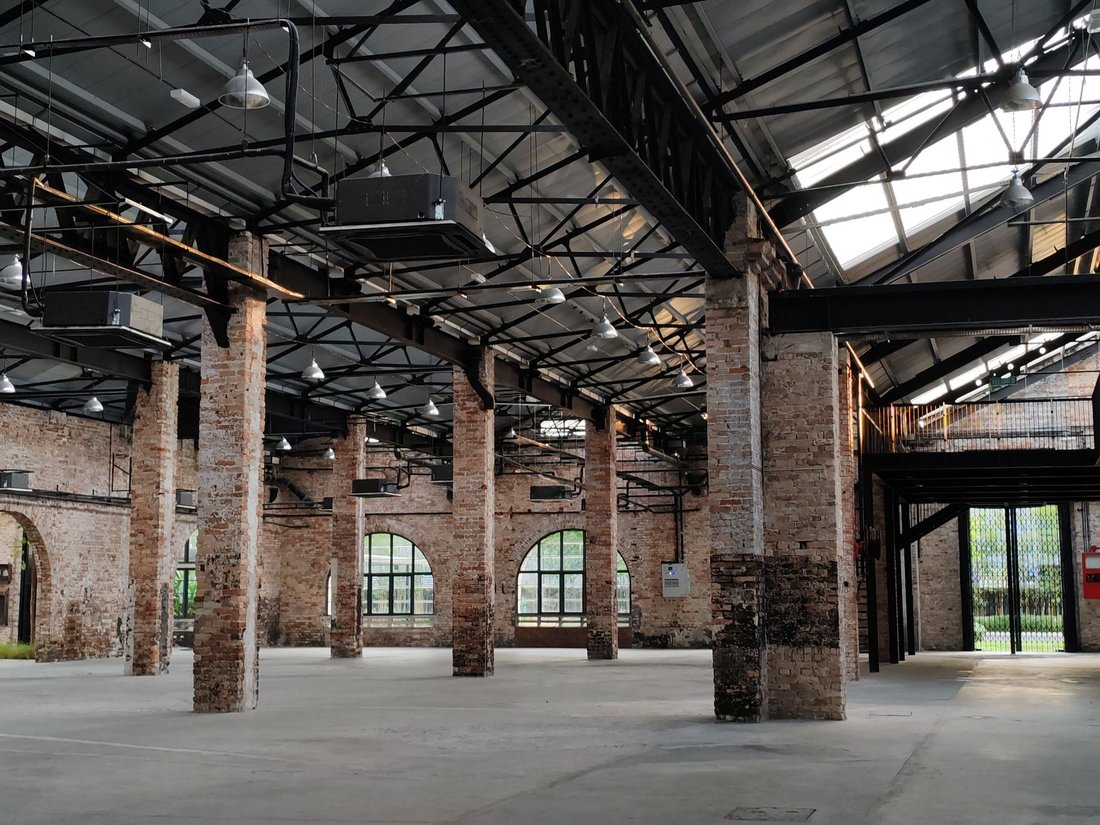
The best food halls in Charlotte tend to smell like a workshop before they smell like food: sawdust and old brick and a faint trace of machine oil ghosted into walls that used to run looms, now strung with pendant lights over a dozen separate kitchens instead of one. That's the format's whole appeal here. Charlotte doesn't have the century of settled restaurant tradition a city like New Orleans carries, but it has a surplus of emptied-out textile and manufacturing buildings, plus a population padded out every year by newcomers who haven't picked a hometown diner yet because they don't have one. A food hall solves both problems in a single renovation. That's why any honest list of the best food halls in Charlotte starts with a converted mill and works outward from there.
The Best Food Halls in Charlotte Start With a Renovation
Optimist Hall, in Optimist Park just off the stretch of North Davidson that feeds into NoDa, is the one out-of-town visitors get pointed toward first and the one locals still bring their families through when they want to show off what Charlotte has become. It occupies a former textile mill, the kind of building with a sawtooth roofline and windows sized for shop-floor light rather than a view, and the renovation left enough of that bones-and-brick character intact that eating there feels like sitting inside the city's manufacturing past rather than a theme built to resemble it. Concrete floors, steel trusses overhead, long communal tables that force strangers to share elbow room. It set the template every hall that followed has borrowed from, whether or not it says so.
Why the Format Fits a City Still Filling In
Food halls work in Charlotte for a reason that has less to do with food than with math. This is a city adding residents faster than it can build restaurant loyalty, a place where the person next to you at the counter moved from Chicago eighteen months ago and the person on the other side has lived three neighborhoods over her whole life. A hall lets both of them sample six or eight kitchens in one visit instead of committing to a single restaurant's menu and hoping it's the right call. It also plugs neatly into the city's other big infrastructure bet: several of the halls that have opened or expanded in the past few years sit within walking distance of a Blue Line stop, which matters in a city built for cars trying to convince itself it can also be built for transit.
What to Look For Before You Sit Down
- A real mix of cuisines rather than five variations on the same burger-and-bowl formula
- Independently run stalls, not a food court dressed up with better lighting
- A bar or beverage counter that pours local beer, since Charlotte's brewing scene is strong enough that a hall without it is skipping a chance
- Seating that actually accommodates a group, since the whole point is ordering from three counters and sharing
- Proximity to a neighborhood worth walking afterward, so the meal isn't the entire outing
How to Actually Approach a Visit
Go hungry enough to split three or four small orders across your table rather than one large plate each. That's the format working as intended, and it's the difference between a food hall meal and a food court meal disguised as one. Skip the exact center of the lunch rush if you can; halls built inside old industrial floor plans get loud fast once every table fills, and the charm of the exposed brick thins out under a wall of noise. Treat it as grazing, not a sit-down dinner with a fixed order of courses. And go with people, plural. A food hall built for one is just an expensive cafeteria; a food hall built for a group of six comparing plates is the whole reason the format took off.
The Neighborhoods Feeding the Trend
Charlotte's hall culture didn't stay contained to one converted mill. It's spread along the same corridors driving the city's broader growth story: the light rail spine running through South End, where brewery patios and new apartment towers have replaced warehouses over the past decade, and the Uptown core where office workers and residents alike need a lunch option that isn't a chain. It's not an accident that halls keep landing near South End's brewery row or a rail stop. The format thrives on foot traffic and a built-in crowd that doesn't need a car to get there, which is precisely the audience Charlotte has been building for years and finally has enough of to support it.
The real test of a food hall isn't the building, however handsome the renovation. It's whether you'd go back on a random Tuesday, not just to show a visitor around. Charlotte's best ones pass that test because they were built by people solving an actual problem, feeding a fast-growing city that hadn't decided what to eat yet, in buildings that used to make something else entirely.