Noda Neighborhood Guide: The Local Guide
North Davidson Street was a cotton mill village before it was a gallery crawl, and the neighborhood still wears both identities at once — this is how to actually navigate it.
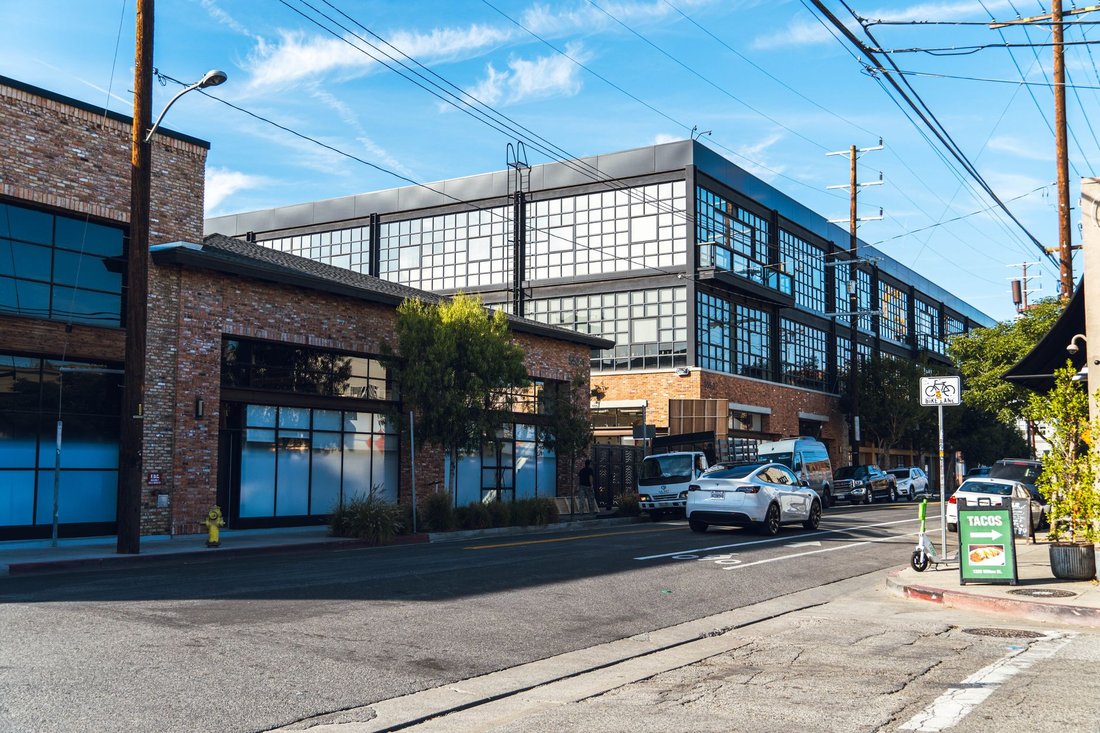
The Blue Line pulls into the 36th Street stop and the doors open onto brick mill houses that have stood there since families worked the cotton looms a few blocks over. Walk two minutes and you hit a converted hosiery warehouse now hung with local paintings. Any NoDa neighborhood guide worth reading has to hold both of those facts at once, because North Davidson never fully erased what came before. It just repainted it, rewired it, and started charging more for the parking.
NoDa is Charlotte's arts district, but that label undersells how specific its history is. It is also one of the only pockets of the city where you can trace, block by block, what got saved and what got knocked down.
What NoDa Was Before It Was NoDa
North Davidson Street grew up around textile mills in the early twentieth century, and the surrounding streets filled with the small frame and brick houses built for mill families. When the textile industry collapsed through the middle of the century, the mills closed and the neighborhood emptied out. Rent got cheap. By the 1980s and into the 1990s, artists and musicians moved into the empty storefronts along North Davidson, opened studios in the old mill buildings, and started throwing open the doors on gallery nights. That's the origin of NoDa as a name and as an identity: North Davidson, shortened, rebranded, and gradually formalized into an official arts district.
The mill houses are still there. Some have been restored with obvious care. Others have been torn down for the townhomes and apartment blocks that have followed the neighborhood's rising property values. Knowing which is which, on any given block, is close to a local sport.
The NoDa Neighborhood Guide Locals Actually Use
North Davidson Street itself is the spine. Galleries cluster along it and the side streets that feed into it, showing local and regional work, and most keep evening hours tied to periodic gallery-crawl nights when several open their doors at once. Live music runs through the neighborhood in a similar way, spread across small clubs and bars that book local and touring acts, with sidewalks often carrying the sound out into the street on a warm night.
Murals are part of the wayfinding here as much as street signs are. Painted walls mark building after building, some commissioned, some the product of longer-running mural projects, and they shift often enough that a photo from a few years ago won't match what's on the wall today.
Getting There
The Blue Line light rail runs directly through NoDa, with a stop that puts you within walking distance of the main strip. It's the easiest way in from uptown or from South End's brewery row a few stops south, and it removes the parking hunt that can otherwise eat up a Friday night. Riding in also means arriving at street level, which is the right way to see this neighborhood — it does not reward a windshield tour.
Day Versus Night
NoDa by day is quieter and more workaday than its reputation suggests. Galleries keep modest daytime hours, coffee shops fill with people working on laptops, and the mill houses look like what they are: a residential neighborhood with historic bones. There's a farmers market presence in the area too, part of the broader food culture that runs through Charlotte's neighborhoods alongside the Regional Farmers Market.
By night the character changes. Restaurant patios fill up, music spills out of the clubs, and the sidewalks along North Davidson carry real foot traffic. Weekend nights draw people in from across the city, not just from the immediate blocks, and parking on the side streets gets tight fast. The two versions of NoDa are different enough that visiting only once, at only one time of day, gives an incomplete picture.
How NoDa Is Changing
The pressure on NoDa is the same pressure reshaping several Charlotte neighborhoods at once: rising land values pulling in new construction faster than the old building stock can be preserved. Mixed-use development has crept in from the edges, and longtime gallery owners and musicians have talked openly about rising rents pushing them toward the margins of the district or out of it. It's the same story playing out a few miles over in Plaza Midwood, where an odder, more eclectic strip is under similar pressure from its own popularity.
None of this is unique to NoDa, and none of it has erased the neighborhood's core character yet. But the district today is denser, pricier, and more polished than it was even a decade ago, and the artists who built its reputation increasingly commute in rather than live there.
What to Look For When You Visit
- Time your visit around a gallery-crawl evening if you want the neighborhood at full volume, and a weekday afternoon if you want to actually talk to gallery owners.
- Take the Blue Line rather than driving. Street parking disappears early on weekend nights.
- Look up. The mill houses, the old warehouse cornices, and the water tower are the clearest markers of what the neighborhood looked like before the arts district existed.
- Walk the side streets off North Davidson, not just the main strip. That's where the residential texture and most of the murals are.
NoDa rewards people who slow down enough to notice the layers rather than just the surface. The mills are gone, but the houses they built are still standing next to the galleries that replaced them, and reading that contrast is the real skill in getting to know this neighborhood.